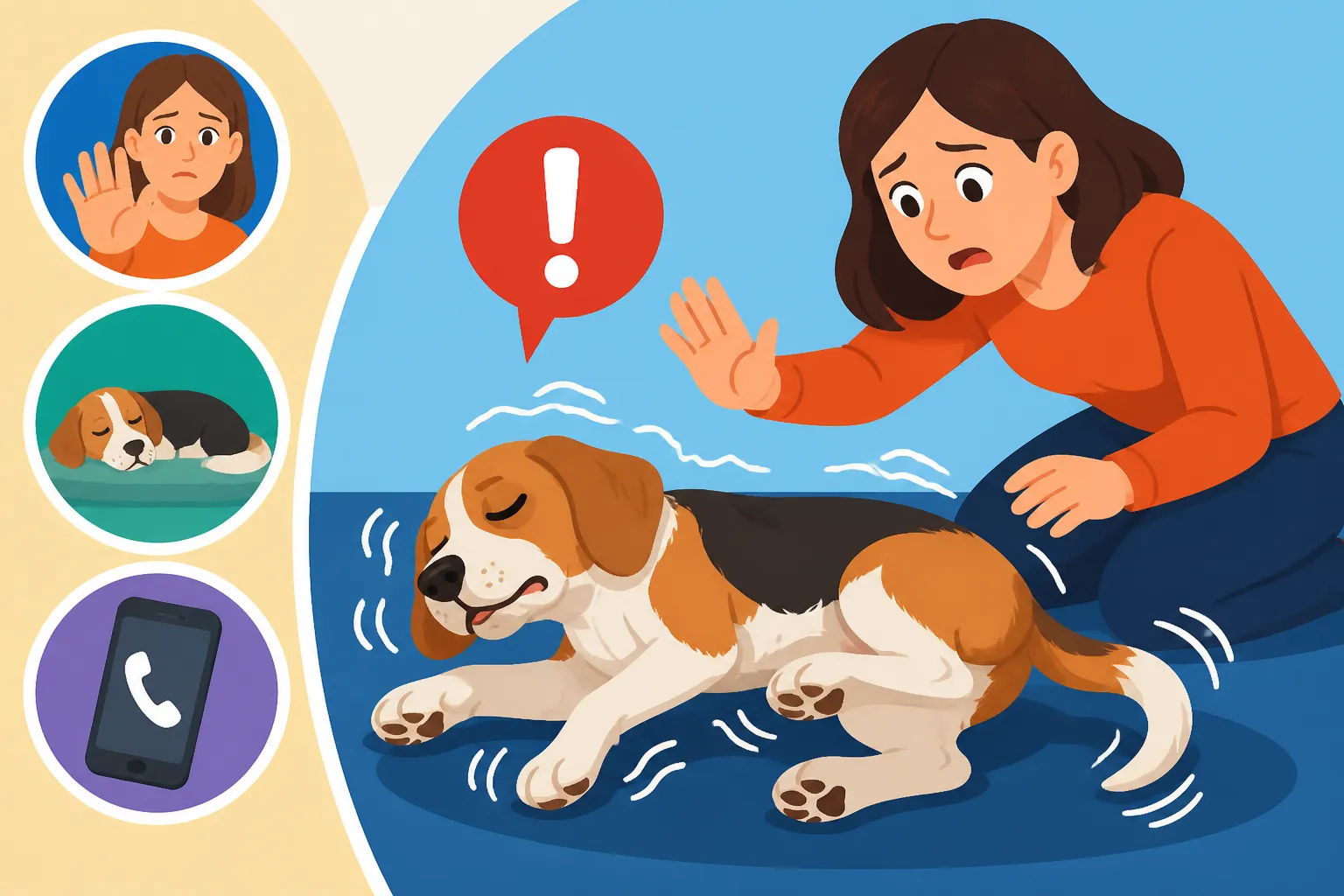
What to Do While a Beagle Is Seizing
Seeing your beloved Beagle suddenly collapse into a seizure is one of the most frightening experiences a dog owner can face. It’s natural to feel utterly panicked and helpless when your cheerful, scent-driven companion suddenly loses control, thrashing or staring blankly. But knowing exactly what to do in those terrifying moments can make all the difference, helping you keep your furry friend safe until the episode passes. This guide will walk you through clear, actionable steps to take when your Beagle has a seizure, ensuring you're prepared and can provide the best immediate care.
Understanding What's Happening During a Seizure
Before we dive into what you do, it helps to have a basic understanding of what a seizure actually is in a Beagle. A seizure isn't a disease in itself; it's a symptom of abnormal electrical activity in the brain. It can manifest in many ways, from full-body convulsions (known as generalized or grand mal seizures) to more subtle, localized twitching or behavioral changes (focal seizures). For most Beagle owners, the grand mal seizure is the most recognizable and, frankly, the most alarming.
The Phases of a Seizure
A seizure typically unfolds in three main phases, though not all are always obvious to the observer. Understanding these can help you better prepare and react appropriately, and also later communicate details to your veterinarian.
The Pre-Ictal Phase (Aura)
This phase can be very subtle, sometimes even unnoticeable, but some Beagles might show changes in behavior just before a seizure. This "aura" could include anxiety, restlessness, seeking extra attention, or hiding away. They might seem disoriented, whine, or pace nervously. If you’re living with a Beagle prone to seizures, you might learn to recognize these subtle cues, giving you a few precious moments to prepare. However, for many Beagles, especially with their first seizure, this phase passes completely unnoticed. It’s often only in hindsight, after the main event, that you might recall a brief, unusual behavior.
The Ictal Phase (The Seizure Itself)
This is the main event – the actual seizure. It can be incredibly distressing to witness, as your Beagle loses voluntary control. During a generalized seizure, your Beagle might fall over, become stiff, paddle its legs uncontrollably, chomp its jaws, vocalize (howl, bark, cry), or lose bladder and bowel control. Their eyes might dart or roll back, and they won't be responsive to your voice or touch. Remember, your Beagle is completely unconscious during this phase, even if its eyes are open or it's making noise. It’s not experiencing pain in the way we might imagine. The most crucial thing you can do here is to stay calm, protect them from injury, and time the event. You can learn more about exactly what a seizure looks like by reading our guide, "What a Beagle Seizure Actually Looks Like".
The Post-Ictal Phase (Recovery)
Once the main seizure activity stops, your Beagle won't just spring back to normal. This recovery period, known as the post-ictal phase, can last minutes, hours, or even a full day. Your Beagle might appear confused, disoriented, weak, temporarily blind, or extremely tired. They might pace aimlessly, bump into furniture, or seem ravenously hungry or thirsty. Some Beagles might also be temporarily aggressive or act unusually clingy. It's a period of significant brain recovery, and they need a quiet, safe, and comforting environment. Just like after any major brain event, their body is processing a lot.
Immediate Actions During a Seizure
When a seizure strikes, your natural instinct is to scoop up your Beagle and hold it, but this can actually put both of you at risk. The key is to remain calm, even when your heart is pounding out of your chest. Your primary goals are to prevent injury to your Beagle and gather information for your vet.
Staying Safe and Protecting Your Beagle
Your Beagle will be completely unaware of its surroundings during a seizure, and its movements can be erratic and powerful. It's vital to create a safe perimeter around them. Gently push away any furniture, sharp objects, or anything else that your Beagle could hit its head on or get tangled in. If they are near stairs or a water source, gently slide them away from danger, but do not try to restrain them or hold their tongue. Despite the old wives' tales, dogs cannot swallow their tongues during a seizure, and you risk being bitten severely, even unintentionally, if you put your hands near their mouth. They might bite down reflexively, and it's not a conscious act of aggression.
Timing the Seizure Accurately
This is perhaps the single most important piece of information you can provide to your veterinarian. Use a stopwatch, your phone, or even just glance at a clock. Note the exact start time and the exact end time of the ictal phase – the period of active thrashing, paddling, or abnormal movement. Do not include the pre-ictal or post-ictal phases in this timing. A seizure that lasts longer than five minutes is considered a medical emergency, and your vet needs to know precisely how long it ran. You'll thank yourself later if you have this crucial data points when discussing the event.
Creating a Quiet Space
Reduce external stimuli as much as possible. Turn off loud music or the television, dim the lights, and keep other pets and children away. A seizure is an overwhelming event for the brain, and minimizing sensory input can aid in a smoother recovery. Once the thrashing stops and they enter the post-ictal phase, a quiet, darkened room is ideal. Just imagine how overstimulated you would feel after an intense brain event; your Beagle feels similarly vulnerable.
Caring for Your Beagle After a Seizure
Once the active seizure has stopped, your role shifts from preventing injury to providing comfort and observation. This post-ictal period is critical for their recovery and for you to continue gathering vital information.
Comfort and Reassurance
When your Beagle starts to come around, they will likely be disoriented and confused. Speak to them calmly and softly. Avoid overwhelming them with too much touch initially. Let them come to you or slowly approach them, offering gentle strokes. If they are pacing aimlessly, guide them away from walls or furniture to prevent bumping. Offer them water, as they might be thirsty, but don’t force it if they're still too disoriented to drink safely. They might also be ravenously hungry, but it's often best to wait a little while before offering a meal, or offer a very small, easily digestible portion to avoid upsetting their stomach. Your goal is to be a calming presence, a steady anchor in their confusion.
Monitoring for Further Episodes
Sometimes, a single seizure can be followed by more seizures within a 24-hour period. This is known as cluster seizures and it's a serious situation. Keep a close eye on your Beagle for any signs of another episode, even if subtle. Watch for renewed disorientation, muscle twitching, or changes in consciousness. If more seizures occur, particularly if they are close together or prolonged, it’s definitely time to contact your vet immediately, as this signals a much more critical situation. Having an understanding of "Cluster Seizures in a Beagle and What They Mean" can help you gauge the severity.
Starting or Updating a Seizure Diary
This is invaluable for you and your veterinarian. Immediately after the seizure, while the details are fresh in your mind, write everything down. Include:
- Date and Time: Exact start and end of the ictal phase.
- Duration: How long the seizure lasted.
- Description: What did it look like? Paddling, rigidity, vocalization, drooling, loss of bowel/bladder control, eye movements.
- Pre-Ictal Signs: Any unusual behavior leading up to it.
- Post-Ictal Behavior: How long did confusion, pacing, blindness, hunger, or thirst last?
- Potential Triggers: Anything unusual that happened before the seizure (stress, new food, loud noises, change in routine).
- Medication: If your Beagle is on anti-seizure medication, note if a dose was missed or if it was given as usual.
A detailed diary helps your vet identify patterns, assess the severity and frequency of seizures, and adjust medication if necessary. There are even apps available now that help you track this easily. Our article, "Keeping a Seizure Diary for Your Beagle", offers more tips on how to effectively document these events.
When a Seizure Becomes a Veterinary Emergency
While most single, short seizures (under 2-3 minutes) often resolve on their own with good at-home care, there are specific situations where you absolutely must contact your veterinarian or an emergency animal hospital without delay.
Prolonged Seizures or Status Epilepticus
Any seizure that lasts for five minutes or longer is a serious medical emergency and requires immediate veterinary intervention. This condition is called status epilepticus, and it can lead to dangerous overheating, brain damage, and even death if not stopped promptly. Do not wait for it to stop on its own. Call your vet while the seizure is still ongoing and tell them you are on your way. They may instruct you on how to apply rectal diazepam if you have been prescribed it for emergency use. Every second counts in these situations.
Cluster Seizures
As mentioned earlier, cluster seizures are multiple seizures occurring within a 24-hour period, with the dog regaining consciousness (at least partially) between episodes. If your Beagle has more than one seizure within a 24-hour window, especially if they are close together, it warrants an emergency vet visit. This indicates that the brain's electrical activity is highly unstable, and medication may be needed to stabilize it. Your vet might want to perform diagnostic tests or adjust medication dosage. Getting ahead of this with pet insurance from a provider like Healthy Paws can be a relief, as emergency visits can be costly.
Multiple Seizures with No Full Recovery
If your Beagle has a seizure, then another one, and another, without fully regaining consciousness or acting normally in between, this is also a dire emergency. This can indicate a severe underlying issue and requires immediate medical attention. The brain isn't getting a chance to reset, and the cumulative effects can be devastating.
Other Critical Signs to Watch For
Beyond duration and frequency, there are other signs that should prompt an immediate call to your vet, even if the seizure itself was short.
Severe Injury or Other Concerning Symptoms
If your Beagle injures itself severely during a seizure (e.g., breaks a tooth, cuts itself badly), that injury needs attention. Also, if the seizure is accompanied by other alarming symptoms like extreme difficulty breathing, profound weakness that doesn't resolve, or unresponsiveness beyond the typical post-ictal confusion, these are red flags. A seizure might also be a symptom of something else entirely, like a severe head trauma, poisoning, or a sudden metabolic crisis. If you suspect any of these, call for advice.
First-Time Seizure in an Older Beagle
While "Idiopathic Epilepsy in Beagles From Six Months to Six Years" is common, a first-time seizure in a Beagle over the age of five or six should be treated with particular urgency. In younger dogs, idiopathic epilepsy is the most common cause. However, in older Beagles, seizures are more likely to be caused by underlying issues such as brain tumors, liver disease, kidney disease, or other serious conditions that require immediate investigation. Even if the seizure is brief, a diagnostic workup is often recommended promptly. Having comprehensive pet insurance like Healthy Paws, which covers unforeseen illnesses, can make these diagnostic journeys much more manageable.
Important Information for Your Vet Call
When you call your veterinarian, be prepared to provide the following details calmly and clearly:
- The exact time and duration of the seizure.
- A concise description of what happened.
- Any pre-ictal or post-ictal symptoms.
- If this is the first seizure, or if your Beagle has a history of them.
- If your Beagle is on any medication (especially anti-seizure meds), and if they've had any missed doses.
- Any known exposure to toxins or recent injuries.
Being prepared with this information will allow your vet to quickly assess the situation and provide the best guidance. Remember, they are there to help, and precise details will guide their recommendations. Thinking through these points beforehand, perhaps even jotting them down as soon as your Beagle is safe, will make the conversation more productive. The cost of emergency care for seizures can be substantial, and this is where a reliable pet insurance provider like Healthy Paws can offer significant support, potentially covering a large portion of the expenses.
Here's a quick summary of seizure phases and your corresponding actions:
| Seizure Phase | Description | Your Actions | Urgency Level |
|---|---|---|---|
| Pre-Ictal | (Aura) Subtle behavioral changes (anxiety, hiding, restlessness). | Observe carefully. Prepare a safe space if you suspect a seizure is imminent. | Low |
| Ictal | (Active Seizure) Loss of consciousness, convulsions, paddling. | Remain calm. Clear area of hazards. DO NOT restrain or put hands in mouth. TIME the seizure from start to finish of active phase. Minimize noise/light. | High |
| Post-Ictal | (Recovery) Disorientation, confusion, temporary blindness, hunger. | Speak softly, offer comfort. Monitor for further seizures. Provide water. Guide away from hazards. Start or update seizure diary with all details. Allow quiet rest. | Moderate (Observe) |
This table provides a concise breakdown, but remember that the experience itself can feel overwhelming. Having a plan, and knowing "When a Beagle Seizure Becomes an Emergency", can bring a sense of control to a frightening situation.
Living Day to Day with an Epileptic Beagle
For Beagles diagnosed with epilepsy, managing seizures becomes an ongoing journey. This often involves daily anti-seizure medication, regular vet check-ups, and meticulous record-keeping. It can be a challenge, but with proper care, many Beagles with epilepsy live full and happy lives. Resources like "Anti-Seizure Medication for an Epileptic Beagle" and "Beagle Epilepsy and Seizures From Six Months On" provide deeper insights into long-term management and understanding the condition. It's a testament to your dedication as a Beagle owner to navigate these health challenges with love and informed action.
Disclaimer
This article is intended for informational purposes only and does not constitute professional veterinary advice. Always consult with a qualified veterinarian for any health concerns or before making any decisions related to your Beagle's health or treatment. In case of a medical emergency, contact your veterinarian or an emergency animal hospital immediately.