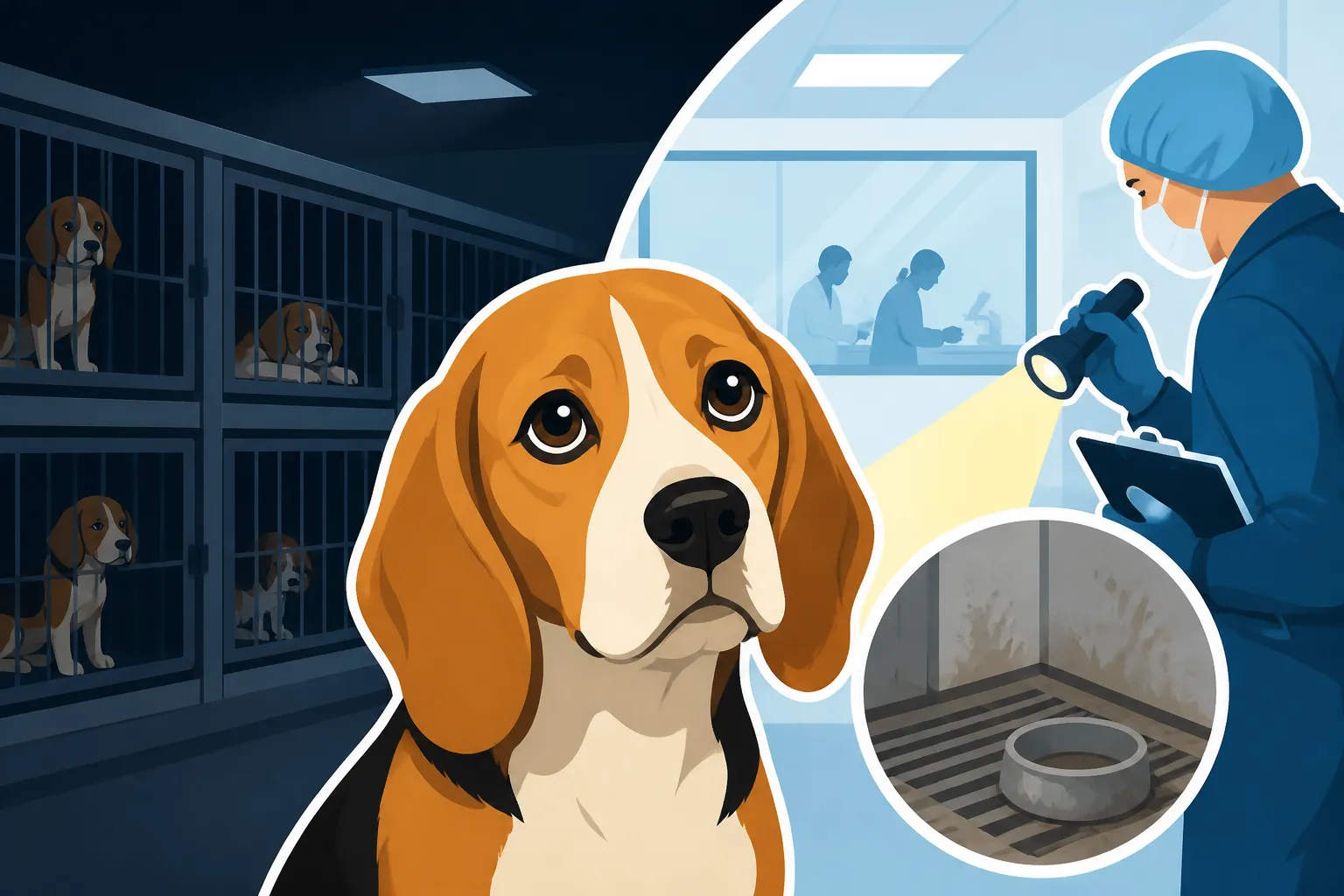
The Envigo Facility and What Investigators Found
The stories that sometimes emerge from large-scale animal facilities can be truly heartbreaking, leaving many of us wondering how such situations could ever arise. When news broke about the Envigo breeding facility in Cumberland, Virginia, it wasn't just another story; it was a stark reminder of the ethical considerations surrounding animal research and the welfare of the animals involved. This guide will walk you through what investigators uncovered at this notorious facility, why Beagles were at the center of it all, and the profound impact it had on thousands of dogs and the wider animal welfare community.
Understanding Envigo's Role in Research Animal Breeding
Before delving into the grim details, it's important to understand the context of Envigo's operations. This wasn't a pet breeder selling puppies to families; Envigo was a major supplier of research animals, including Beagles, to laboratories and pharmaceutical companies across the United States.
The Scale of Operations Before the Intervention
Envigo's facility in Cumberland, Virginia, was, by all accounts, immense. It housed thousands upon thousands of Beagles, bred specifically for use in scientific and medical research. The sheer number of animals living in one place was astounding, and for many, deeply unsettling. These dogs were not pets; they were part of a production system designed to provide a consistent supply of animals for various studies. This often meant large kennel environments, where individual needs could easily be overlooked in favor of efficiency and scale. The public outcry surrounding this facility highlighted a growing discomfort with the industrialization of animal breeding, even for research purposes.
Why Beagles Were the Breed of Choice for Research
It might seem peculiar that Beagles, with their friendly disposition and compact size, became the breed most commonly associated with laboratory research. However, there are several reasons why they were historically chosen and continue to be used. Their docile and forgiving nature makes them relatively easy to handle in a laboratory setting, reducing the risk to human staff. Beagles also have a fairly uniform size and physiology across the breed, which is valuable for research studies that require consistency among test subjects. Their relatively robust health, when properly cared for, also made them appealing, as it meant fewer variables in experimental outcomes related to underlying conditions. Why Laboratories Chose Beagles in the First Place explores this history in more detail, but the short version is that their adaptability and general health profile made them an unfortunate choice for this kind of work.
The Shocking Discoveries Made by Investigators
The conditions at the Envigo facility did not go unnoticed forever. Persistent reports and investigations eventually brought to light a horrifying reality for the Beagles housed there.
Documented Welfare Violations and Poor Conditions
Federal investigators, primarily from the United States Department of Agriculture (USDA), conducted multiple inspections at the Cumberland, Virginia, facility. What they found was a shocking pattern of animal welfare violations. Reports detailed inadequate veterinary care, which meant sick and injured dogs often suffered without proper treatment. There were instances of Beagles with open wounds, untreated infections, and severe dental disease. Food and water were often insufficient or contaminated, leading to malnutrition and dehydration. The living conditions themselves were deplorable: unsanitary kennels, feces accumulating, and a pervasive lack of basic hygiene. Dogs were found living in extreme heat without adequate cooling, or in conditions that contributed to widespread illness. These findings painted a picture of systemic neglect, where the well-being of the individual animal was far from a priority. Many people who heard these reports felt a deep sense of betrayal, believing that even animals destined for research should be afforded basic humane treatment.
Neglect Leading to Illness and Suffering
The neglect wasn't just about dirty kennels; it manifested in widespread illness and suffering among the Beagle population. Investigators documented instances of Beagles dying from preventable conditions, puppies not receiving sufficient nourishment, and mothers being bred repeatedly without adequate recovery time. Common issues like severe ear infections, often a problem for Beagles with their long, floppy ears, went untreated, causing immense pain. Beagle Ear Infections Under Those Long Ears can tell you how easily those can develop even with good care, so imagine the suffering in an unhygienic, overcrowded environment. Dogs developed skin conditions, respiratory infections, and severe parasite infestations, all indicative of a complete breakdown in basic animal husbandry and veterinary oversight. The sheer scale of suffering was hard to comprehend, affecting thousands of sentient beings who knew nothing but these harsh conditions. It was a stark reminder that even facilities operating within a legal framework can fall far short of ethical standards.
The Aftermath: Legal Actions and the Mass Rescue
The consistent and severe violations at the Envigo facility could not be ignored indefinitely. What followed was a landmark intervention that led to one of the largest animal rescues in history.
The Legal Intervention and Facility Shutdown
The sustained documentation of animal welfare violations by federal agencies eventually led to decisive legal action. The Department of Justice, acting on behalf of the USDA, filed a civil complaint against Envigo RMS LLC. This legal intervention was critical, forcing the company to take immediate steps to address the conditions. The court-ordered action eventually led to a plan for Envigo to transfer all remaining Beagles from the Cumberland facility. This was a monumental win for animal welfare advocates and a clear message that chronic neglect, even in a research breeding context, would not be tolerated. The facility, which had been operating for years under increasing scrutiny, was finally compelled to cease its operations under the weight of legal and public pressure. This case underscored the power of continuous oversight and legal recourse in protecting vulnerable animals.
The Unprecedented Effort to Rehome Thousands of Beagles
Once the court ordered the removal of the Beagles, the challenge shifted to rehoming thousands of dogs who had never known life outside a kennel. The logistics were staggering: transporting over 4,000 Beagles from one facility to rescue organizations, shelters, and individual adopters across the entire country. The Envigo Beagles and Where the 4,000 Went is a story unto itself, detailing the incredible collaboration that took place. Animal welfare organizations, local humane societies, and countless volunteers stepped up in an unprecedented way. Teams worked tirelessly to coordinate transport, vet the dogs, and prepare them for lives as pets. Families opened their homes, offering foster care and permanent adoption. It was a heartwarming counterpoint to the earlier grim discoveries, showcasing the immense compassion of people willing to give these Beagles a second chance. Many of these dogs bore identification tattoos, a common practice for laboratory animals, serving as a permanent reminder of their past. If you're curious about these unique identifiers, Beagle Tattoos and Laboratory Identification Numbers sheds more light on the practice.
Lessons Learned and the Future of Research Animal Welfare
The Envigo case was a watershed moment, sparking important conversations and driving efforts towards greater accountability and improved welfare for research animals.
Increased Scrutiny and Policy Changes
The highly publicized rescue shone a bright spotlight on the practices of commercial breeders supplying research institutions. It fueled calls for increased oversight, more rigorous enforcement of the Animal Welfare Act, and ultimately, a re-evaluation of how animals are sourced and treated in research. The case empowered advocates to push for greater transparency and accountability within the industry. It also gave momentum to movements advocating for legislative changes, such as "Beagle freedom laws," which aim to mandate that former research animals be released to shelters or rescue groups for adoption rather than being euthanized once their role in a study concludes. Beagle Freedom Laws State by State is a fascinating read on the legislative landscape emerging from these kinds of incidents. While progress can be slow, the Envigo case certainly ignited a renewed commitment to improving standards.
Supporting Rescued Research Beagles and Advocacy
For those who opened their homes to these Beagles, the journey was often one of immense patience and compassion. Many of the Envigo Beagles had never felt grass under their paws, walked on a leash, or experienced the comfort of a soft bed. They often arrived fearful, undersocialized, and with significant health needs. What a former research Beagle needs first includes advice like creating a safe, quiet space and slowly introducing new experiences. These dogs often exhibit behaviors that differ from typical pets due to their unique upbringing. For instance, house-training can be a long process when a dog has only ever eliminated in their kennel, or they might struggle with loud noises or being touched unexpectedly. How a former lab Beagle behaves differently delves into these behavioral nuances, from a lack of socialization to resource guarding of food. Building trust takes time, often requiring specialized training and an understanding of their past.
Adopting an Envigo Beagle, or any former research animal, means committing to their physical and emotional rehabilitation. It means being prepared for potential medical costs, which can range from addressing chronic ear infections or dental issues to managing underlying anxieties. Thankfully, resources are available through many rescue organizations and communities that sprang up to support these specific Beagles. You can find many supplies to help these dogs adjust, from comfortable beds to enrichment toys, at retailers like Chewy. A good harness and a long line are essential for safe walks, as their instinct to explore new smells is strong, and recall might not be reliable after a lifetime of confinement. Providing a consistent routine, positive reinforcement, and a calm environment can make all the difference. Many adopters found solace in connecting with others who adopted Envigo Beagles, sharing tips and celebrating small victories. The journey might be challenging, but the reward of seeing a former research Beagle blossom into a confident, loving family member is truly immeasurable. Even something as simple as providing a high-quality food from a trusted source, available on Chewy, can be a huge step in their recovery.
This whole episode served as a powerful testament to the resilience of Beagles and the profound capacity for good within the human community. It reminded us that every animal deserves respect and humane care, regardless of its purpose.
| Aspect of Care | Typical Pet Beagle Needs | Envigo Facility Conditions (as found by investigators) |
|---|---|---|
| Living Environment | Spacious home, comfortable bed, secure fenced yard, access to outdoors. | Overcrowded kennels, hard surfaces, inadequate ventilation, poor sanitation. |
| Socialization | Exposure to varied people, dogs, sights, and sounds from puppyhood. | Minimal human interaction beyond handling for procedures, limited exposure to the outside world. |
| Veterinary Care | Regular check-ups, vaccinations, parasite prevention, prompt treatment for illness/injury. | Inadequate, delayed, or absent veterinary care for documented illnesses and injuries. |
| Nutrition & Water | High-quality, measured food; constant access to fresh, clean water. | Insufficient food, contaminated water sources, leading to malnutrition and dehydration. |
| Exercise & Enrichment | Daily walks, playtime, scent work, puzzle toys, mental stimulation. | Limited or no opportunities for exercise, mental enrichment, or natural Beagle behaviors. |
| Emotional Well-being | Affection, security, positive reinforcement, gentle handling, stable routine. | Stress, fear, lack of comfort, consistent exposure to distressing conditions. |
The contrast between what a Beagle thrives on and what these specific dogs endured is stark. This table highlights just how far removed their lives were from a normal, healthy existence, emphasizing the incredible transformation they needed to undergo once rescued. Looking for ways to ensure your pet has the best quality of life, including well-sourced products for their enrichment and health, can be easily done through online retailers like Chewy.
Disclaimer
This article is for general informational purposes only and does not constitute professional advice. Laws, prices and regulations vary by location and change over time. Consult a qualified professional for guidance on your specific situation.