Beagle Back Pain Warning Signs
It’s truly disheartening to see your lively, tail-wagging Beagle suddenly reluctant to move, or perhaps whimpering when you touch their back. Beagles, with their spirited nature and often slightly elongated backs, are unfortunately quite prone to spinal issues, and catching the signs early can make all the difference in their comfort and long-term health. This comprehensive guide will walk you through the subtle and overt warning signs of back pain in Beagles, helping you understand what to look for and how to react to protect your beloved companion.
Understanding Why Beagles Are Prone to Back Pain
It’s easy to think of our Beagles as indestructible bundles of energy, but their unique physical characteristics and genetics can predispose them to certain spinal issues. Knowing these underlying factors helps us be more vigilant.
The Beagle's Unique Spinal Anatomy
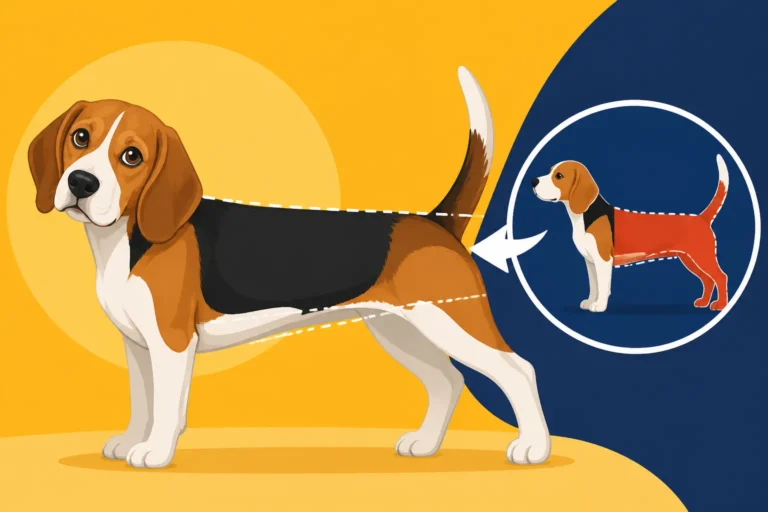
When you look at a Beagle, they might not seem like a long-backed breed in the same way a Dachshund or Corgi does, but they do possess a spinal structure that can be vulnerable. Their cheerful, stocky build often belies a slightly longer body proportion relative to their leg length, particularly in the thoracic and lumbar regions. This conformation, combined with their propensity for enthusiastic jumping, twisting, and sudden stops during scent work, puts considerable stress on their intervertebral discs. These discs act as cushions between the vertebrae, absorbing shock and allowing for flexible movement. Over time, or with a sudden impact, these discs can degenerate or rupture. You might want to learn more about the specifics of why a Beagle back is longer than it looks.
Furthermore, Beagles are classified as chondrodystrophic breeds, meaning they are genetically predisposed to abnormal cartilage development, which directly impacts the health of their intervertebral discs. This genetic trait is shared with breeds like Basset Hounds and French Bulldogs, and it means their discs can prematurely harden and become less resilient. Even a perfectly healthy, active Beagle can be silently developing disc issues due to this inherent predisposition. It's not about what you did wrong; it's often a ticking genetic clock.
Intervertebral Disc Disease IVDD Explained
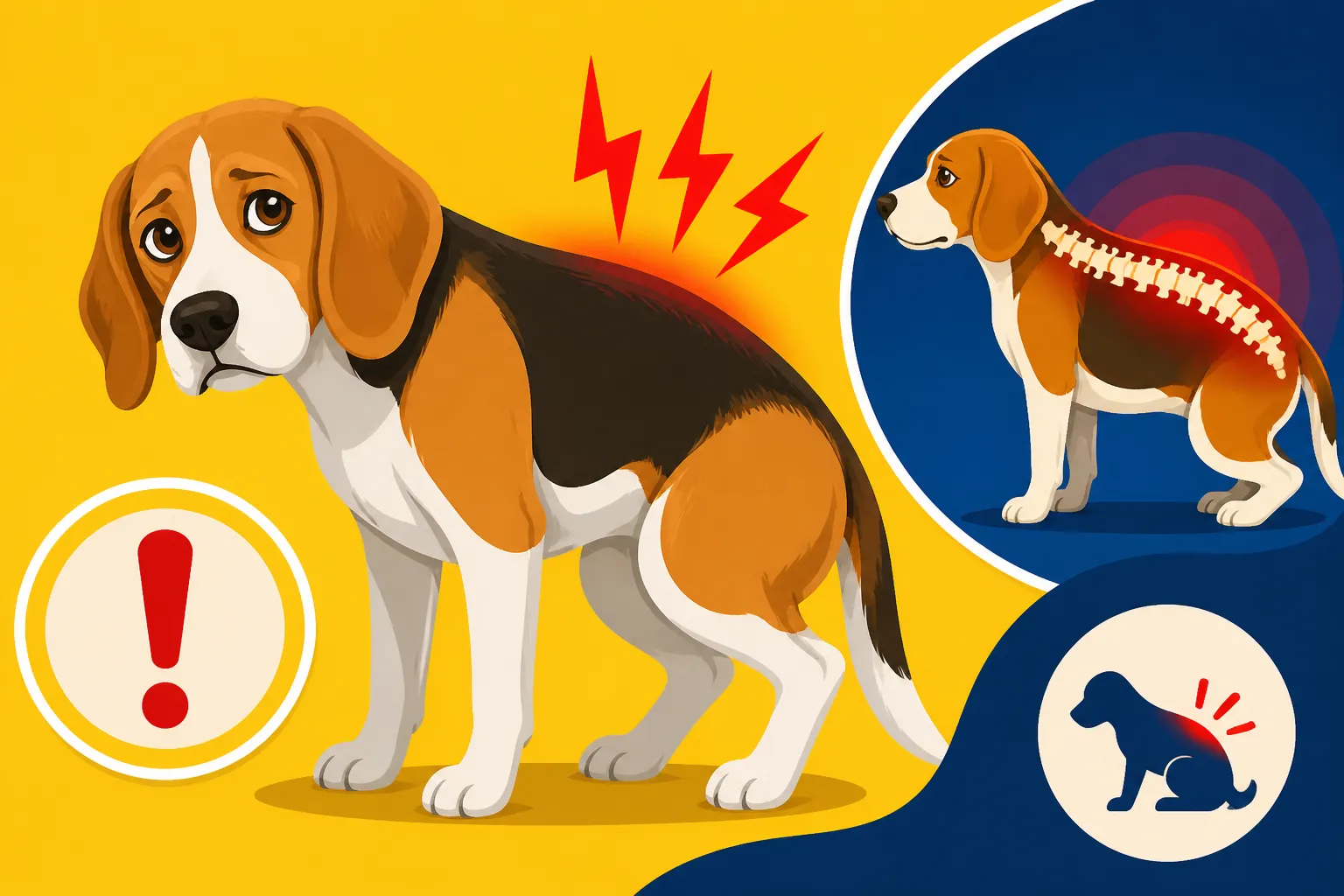
The most common culprit behind Beagle back pain is Intervertebral Disc Disease, or IVDD. This condition occurs when one or more of the discs cushioning your Beagle's spine either bulges out (protrusion) or ruptures completely (extrusion). Think of these discs like jelly-filled donuts: in IVDD, the jelly either pushes out the side or bursts entirely. When this happens, the disc material presses on the spinal cord, leading to pain, weakness, and potentially paralysis.
IVDD can manifest in different ways. Type I IVDD is the acute, sudden onset form often seen in chondrodystrophic breeds like Beagles. It's usually caused by a sudden, forceful movement, like jumping off furniture or landing awkwardly. This can lead to severe pain and sudden neurological deficits. Type II IVDD, on the other hand, is a slower, more chronic process where the disc bulges over time, causing gradual spinal cord compression and often intermittent or progressive pain. Both types are serious and require immediate veterinary attention, but recognizing the gradual signs of Type II can prevent a sudden crisis. Understanding Beagle Disc Disease and That Slightly Long Back can provide even deeper insights.
Everyday Activities That Contribute to Risk
Our Beagles are active, inquisitive, and, let’s be honest, a little bit clumsy sometimes. These traits, while endearing, can unfortunately put their backs at risk. High-impact activities like repeatedly jumping off furniture, leaping out of cars, or even vigorous tug-of-war games can strain their delicate spines. Think about the way they launch themselves off the couch to greet you, or the sudden twist and turn they make when they catch a scent. Each of these actions can put undue pressure on their intervertebral discs.
Even seemingly innocent behaviors like using stairs frequently can contribute to long-term spinal wear and tear. Imagine the repetitive jarring motion on their spine with every step up or down. Because Beagles are so driven by scent, they often plunge headfirst into bushes or dig vigorously, twisting their bodies in ways that can be detrimental. It's not about stopping them from being Beagles, but rather about being mindful of these activities and considering ways to mitigate the risk, such as providing ramps for a Beagle's bed and car or even teaching them to wait for a lift into the car.
Subtle Behavioral Changes You Might Miss
Beagles are stoic creatures, often hiding their discomfort until it becomes severe. This means it’s crucial for us, their human companions, to be finely tuned to even the slightest shifts in their everyday behavior. These subtle cues are often the earliest warning signs.
Reluctance to Move or Play
One of the first, yet often overlooked, signs of back pain is a subtle change in your Beagle’s enthusiasm for movement. Your dog might not outright refuse to walk, but you might notice they’re a little slower to get up from a nap, or they hesitate before jumping onto the couch where they usually love to nap. Perhaps they don't charge the door with the same gusto when you grab the leash, or they cut playtime short sooner than usual. A common complaint is a Beagle that suddenly will not jump on the couch.
They might also avoid certain actions entirely. If your Beagle used to love standing on their hind legs to beg for treats, but now sits or just offers a polite paw, that’s a red flag. Similarly, if they used to enjoy a rousing game of fetch but now prefer to just sniff around the yard, it could indicate discomfort. It's not necessarily laziness; it’s a self-preservation instinct kicking in because movement hurts. Pay close attention to any decrease in their typical zest for life and activity.
Changes in Posture or Gait
A change in how your Beagle stands, sits, or walks is another critical, yet often subtle, indicator. You might observe a hunched back, or a stiff, guarded posture. They might walk with short, choppy steps, or appear to be 'walking on eggshells.' Sometimes, they might hold their head low, especially if the pain is in their neck or upper back, a classic sign of Beagle neck pain and a head held low.
Watch them closely when they go to the bathroom. If they’re struggling to squat or arch their back, or if their hindquarters seem to be shaking or unstable, it can signal spinal discomfort. Even how they lie down can change; they might avoid lying on their side and instead opt for a sphinx-like position, keeping their spine as straight as possible. Any shift from their normal, fluid movements warrants investigation.
Unusual Vocalizations or Whining
Beagles are certainly vocal, known for their enthusiastic baying and howling, but there's a distinct difference between a happy "Aroooo!" and a sound of distress. If your Beagle starts whining or whimpering seemingly without cause, particularly when moving, being picked up, or trying to settle down, it’s a significant warning sign. They might yelp if you accidentally touch a sensitive spot on their back.
Some Beagles might express pain through panting, even when they haven't been exercising or it's not particularly warm. This shallow, rapid breathing can be a response to chronic discomfort. They might also become withdrawn, opting to hide away or avoid interaction, which is very uncharacteristic for such a sociable breed. Conversely, some Beagles may become unusually irritable or even snap if touched in a painful area, a behavior driven by fear and pain, not aggression. It’s their way of saying, "Please, don't touch me there."
Physical Indicators of Back Discomfort
Beyond the subtle behavioral shifts, there are more direct physical signs that your Beagle might be experiencing back pain. These are often easier to spot once you know what to look for and require a gentle, observant touch.
Sensitivity to Touch or Handling
A clear indicator of back pain is an increased sensitivity when you touch your Beagle's spine or surrounding muscles. Gently run your hand down their back, starting from the neck and moving towards the tail. If you notice them flinching, tensing up, whimpering, or even snapping when you reach a certain spot, it’s a strong signal of localized pain. They might also pull away or try to avoid your touch entirely, even in areas they usually enjoy being petted.
This sensitivity can extend beyond direct touch. For instance, if you try to lift your Beagle, they might cry out or become rigid. Even putting on their harness or collar could become a struggle if the movement aggravates their neck or shoulder area, which is often connected to upper back pain. Pay attention to their reaction during routine grooming or when you’re simply giving them a loving pat; any unusual negative response is a sign that something is amiss.
Muscle Spasms and Stiffness
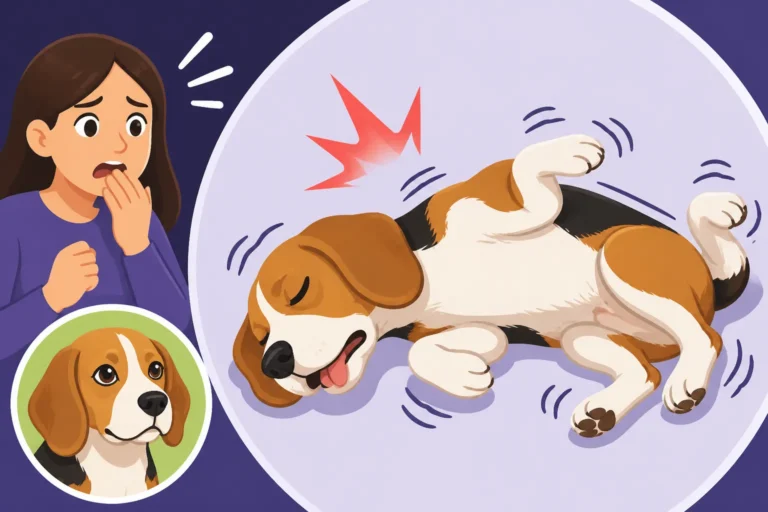
When a Beagle experiences back pain, the muscles surrounding the affected spinal area will often tense up as a protective mechanism. This can manifest as noticeable stiffness, particularly in their back or neck. You might feel their back muscles are unusually firm or rigid to the touch, rather than soft and pliable. In some cases, you might even observe visible muscle tremors or spasms along their spine, especially if they try to move or stretch.
This stiffness will impact their range of motion. They might struggle to turn their head fully, or appear to walk with a very rigid back, moving their entire body rather than just bending their waist. If your Beagle is usually flexible and loves to stretch, but suddenly seems unable to do so comfortably, stiffness is likely a factor. This can also lead to an altered gait, as they try to minimize painful movements, often resulting in a stilted or awkward walk.
Altered Bowel or Bladder Habits
While it might seem unrelated, changes in your Beagle’s bowel and bladder control can be a serious warning sign of severe spinal cord compression, especially with IVDD. The nerves that control these functions run through the spinal cord. When pressure is placed on these nerves due to a bulging or ruptured disc, it can interfere with their ability to urinate or defecate normally.
You might notice accidents inside the house, even with a previously perfectly house-trained dog. This could be anything from small dribbles of urine (incontinence) to a complete inability to control their bladder or bowels, leading to large, uncontrolled eliminations. Conversely, some dogs might strain or struggle to pass urine or feces if the pain makes it difficult to get into the proper position, or if nerve damage is preventing proper muscle function. Any sudden, unexplained change in house training or elimination habits, especially if accompanied by other signs of pain, is an urgent reason to contact your vet.
Recognizing Neurological Signs
When back pain progresses, or a disc injury is severe, it can start to impact the nerves that control movement and sensation. These neurological signs are often more alarming and require immediate veterinary intervention.
Weakness or Dragging of Hind Legs
This is one of the most common and concerning neurological signs of severe back pain or IVDD. You might first notice a subtle weakness in one or both hind legs. Your Beagle might stumble occasionally, or their hind end might sway slightly when they walk. As it progresses, they may start dragging their paws, often scraping their nails on the ground without realizing it. This is sometimes called "knuckling" – where they walk on the tops of their paws instead of the pads. This is a clear indicator of nerve damage. You can read more about hind leg weakness in a middle-aged Beagle if this concerns you.
In more severe cases, the weakness can become pronounced, making it difficult for them to stand or walk without significant effort. They might struggle to get up from a lying position, or their back legs might give out entirely. This can be heartbreaking to witness, as their once strong, agile movements become compromised. Don't dismiss these signs; they are often precursors to more severe paralysis.
Lack of Coordination or Ataxia
Ataxia refers to a lack of coordination, and it’s a serious neurological symptom of spinal cord compression. If your Beagle seems "drunk" or wobbly, especially in their hindquarters, they are likely experiencing ataxia. They might struggle with balance, bumping into furniture or walls, or have difficulty navigating stairs or uneven terrain. Their movements might appear exaggerated, uncontrolled, or simply uncoordinated. This is more than just stiffness; it's a breakdown in the communication between their brain and their limbs.
This can sometimes be seen as a wide-based stance, where they spread their back legs out to try and maintain balance. They might also take unusually long or short strides, or seem unable to place their feet accurately. This symptom is particularly concerning because it indicates significant pressure on the spinal cord. If you notice a Beagle walking wobbly and what it means, it's time for an urgent vet visit.
Paralysis – A Critical Emergency
Paralysis is the most severe neurological manifestation of IVDD and back injury, and it constitutes a dire veterinary emergency. This occurs when the spinal cord is so severely compressed that it completely blocks nerve signals to the hind limbs, resulting in a complete loss of movement. Your Beagle will be unable to move their back legs at all. They might drag them lifelessly, or they won't even try to stand.
Beyond the loss of motor function, they may also lose deep pain sensation. This means that even if you pinch their toe, they might not react at all, which indicates a very grave prognosis if not treated immediately. If your Beagle is suddenly unable to use their back legs, or if you suspect paralysis, you need to get them to an emergency veterinary clinic right now. Time is absolutely critical in these situations for any chance of recovery. Even a few hours can make a significant difference in the outcome for your dog.
What to Do When You Notice Warning Signs
Spotting these warning signs can be scary, but knowing what to do immediately can significantly impact your Beagle's prognosis and comfort. Don't panic, but do act swiftly and thoughtfully.
Immediate First Steps at Home
If you notice any of these back pain warning signs, your immediate priority is to prevent further injury and minimize discomfort. First, restrict your Beagle’s movement immediately. This means no jumping, no running, no stairs, and no rough play. Crate rest for a Beagle with a disc injury is often the very first recommendation from vets, even before diagnosis. Confine them to a small, safe area – ideally a crate or a small room – where they cannot jump or move around freely. Only let them out for very short, leashed potty breaks, and carry them if possible to minimize spinal strain.
Avoid encouraging them to jump up or off furniture, and gently guide them rather than letting them pull on a leash. Do not try to give them any human pain medication, as many over-the-counter options are toxic to dogs, and masking the pain could lead to more severe injury. Keep them warm and comfortable, and observe them closely for any changes, noting down what you see. This information will be invaluable to your vet.
When to Call the Veterinarian Immediately
Any suspected back pain or neurological changes warrant an immediate call to your veterinarian. Do not wait to see if it gets better on its own, especially if you notice signs like hind leg weakness, a wobbly gait, or any changes in bladder/bowel control. These could indicate severe spinal cord compression that requires urgent treatment.
When you call, clearly describe the symptoms you’ve observed: when they started, how severe they are, any specific actions that seem to trigger pain, and if there have been any changes in their ability to walk or control their bodily functions. Be prepared for your vet to recommend an emergency visit. Early diagnosis and intervention, whether through medication, strict crate rest, or even surgery, drastically improve outcomes. Some pet insurance providers, like Healthy Paws, emphasize covering emergency visits for unexpected conditions like IVDD, which can offer peace of mind during such a stressful time.
Preparing for Your Vet Visit
Once you've secured an appointment, be proactive in preparing for your vet visit. Write down all the symptoms you’ve noticed, including specific dates and times if possible. Note any changes in their appetite, thirst, bathroom habits, or general demeanor. If you've observed them struggling with specific movements, jot those down too. The more detailed information you can provide, the better your vet can understand the situation.
Think about any recent activities that might have contributed to the injury – a hard landing, a slip, or even just an unusually strenuous play session. Be ready to discuss your Beagle's full medical history, including any previous injuries or conditions. Your vet may also ask about their diet, exercise routine, and any medications or supplements they are currently taking. They may also discuss costs, and it's helpful to know if you have a pet insurance plan like Healthy Paws that can help with unexpected veterinary bills, especially if surgery or long-term medication is on the table. This preparation ensures you maximize your time with the vet and helps them arrive at an accurate diagnosis more quickly.
Prevention and Long-Term Management
Once your Beagle has experienced back pain, or even if they haven't, proactive measures are key to preventing recurrence or the onset of problems. Many long-term strategies can greatly enhance their spinal health and overall quality of life.
Weight Management and Diet
Maintaining a healthy weight is arguably one of the most critical things you can do to protect your Beagle’s back. Every extra pound your Beagle carries puts additional strain on their spine and joints, accelerating disc degeneration and increasing the risk of IVDD. Just like in humans, obesity is a significant risk factor for back problems. Many Beagles are prone to being overweight, as they would happily eat all day, making diligent portion control and a balanced diet essential. You can learn more about how extra weight raises Beagle disc pressure.
Work with your veterinarian to determine your Beagle's ideal body weight and caloric intake. Use a high-quality dog food appropriate for their age and activity level, and measure portions carefully. Limit treats, or opt for low-calorie alternatives like carrots or green beans. Consider puzzle feeders to slow down their eating and provide mental enrichment without adding excessive calories. Keeping your Beagle lean is one of the most effective preventative measures against future back issues and is a core part of Beagle obesity treated as a health problem.
Environmental Modifications
Making small changes to your home environment can significantly reduce the risk of spinal injuries. The biggest culprits are often activities that involve jumping and jarring motions. Invest in ramps and steps that protect a Beagle spine. Place ramps next to the couch or bed so your Beagle can easily get on and off without leaping. Consider a portable ramp for getting into and out of the car, especially as they get older.
Ensure your home has good traction to prevent slips and falls. Use rugs or runners on slippery floors like hardwood or tile, particularly in areas where your Beagle walks and plays. If your Beagle has a known back issue or is a senior, avoid stairs as much as possible, or carry them up and down. Think about where their food and water bowls are placed; elevated bowls can sometimes reduce neck strain. Finally, ensure their bedding provides adequate support without being too soft, which can cause their spine to sink. A good orthopedic bed can make a world of difference for a dog with a sensitive back.
Here's a quick reference table for common environmental modifications:
| Risk Factor | Modification | Benefit |
|---|---|---|
| Jumping on/off furniture | Ramps or pet steps for beds and couches | Reduces impact on spine and discs |
| Slippery floors | Area rugs, runners, or carpet | Prevents slips, falls, and sudden twisting |
| Jumping into/out of car | Car ramp | Protects spine from high-impact landings |
| Stairs | Carry dog, block access, or install stair gates | Eliminates repetitive jarring motion on spine |
| Hard bedding | Orthopedic dog bed with supportive foam | Distributes weight evenly, supports spinal alignment |
| Pulling on leash | Harness instead of neck collar | Prevents neck and upper back strain |
Exercise and Physical Therapy
While restricting movement is crucial during an acute injury, appropriate, controlled exercise is vital for long-term spinal health. Regular, moderate exercise helps maintain muscle strength and flexibility, which supports the spine. However, "appropriate" is the key word here. Avoid high-impact activities like aggressive fetch, agility, or sudden stops and starts. Instead, focus on low-impact activities like leashed walks on even ground. Why a harness protects a Beagle's neck during walks is also an important consideration.
For Beagles recovering from an injury or those prone to back problems, physical therapy can be incredibly beneficial. A certified canine rehabilitation therapist can develop a tailored exercise program that might include underwater treadmill sessions, therapeutic exercises, massage, and stretching. These therapies help strengthen core muscles, improve range of motion, and reduce pain, all under professional supervision. If your vet diagnoses IVDD, they might recommend Beagle physical therapy after a back injury, which can dramatically improve recovery and prevent future issues. Remember, investing in your Beagle's health, potentially with the help of a pet insurance policy like Healthy Paws, means they can get the best care available, including specialized therapies. Long-term care considerations also fall under Senior Beagle Care After the Age of Ten, where back issues can become more prevalent.
Disclaimer
The information provided in this article is for educational purposes only and is not a substitute for professional veterinary advice. Always consult with a qualified veterinarian for any health concerns or before making any decisions related to your Beagle's health and treatment.