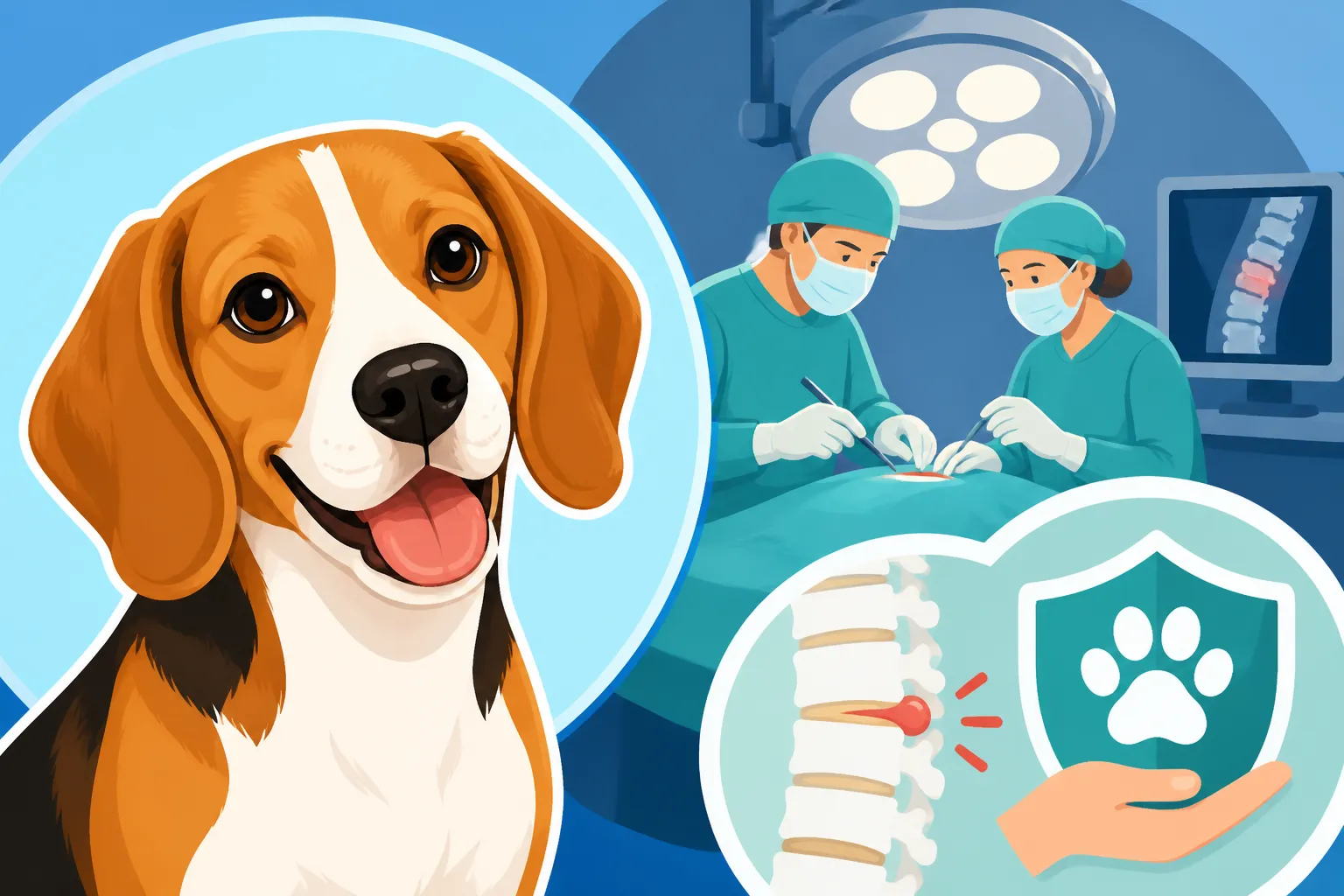
Beagle Disc Surgery Priced at a Specialty Hospital
When your beloved Beagle suddenly can't jump, struggles to walk, or cries out in pain, it's a terrifying moment that sends any dog owner into a panic. The thought of spinal injury, specifically Intervertebral Disc Disease (IVDD), immediately conjures images of complex surgeries and, let's be honest, significant financial worry. This guide aims to thoroughly break down the costs associated with Beagle disc surgery at a specialty veterinary hospital, helping you understand the financial landscape during an incredibly stressful time.
The Initial Shock and Diagnosis Costs
That sickening feeling when you realize something is truly wrong with your Beagle's back is indescribable. One moment they're their usual, boisterous self, nose to the ground, and the next they're limping, yelping, or even dragging their back legs. This rapid decline often means an emergency visit to the vet, which is where the journey of diagnosis and associated costs begins. It's a critical time when every minute feels like an hour, and decisions need to be made quickly under immense emotional pressure.
Recognizing the Warning Signs
Before any surgical discussion, there's the initial recognition that something is amiss. Beagles, with their sturdy build but also their enthusiastic, often clumsy, nature, are unfortunately prone to certain spinal issues. You might first notice subtle changes: reluctance to climb stairs, hesitation before jumping onto the couch, or a general stiffness in their gait. Sometimes, it's more acute, like a sudden yelp when picked up, a hunched posture, or even a loss of coordination in the hind legs. These are all critical indicators that warrant immediate veterinary attention. Ignoring these early signs can lead to more severe damage and potentially more complex, costly interventions down the line. It's a heartbreaking situation, watching your normally energetic Beagle struggle, and it’s often the first indicator that you’re dealing with a significant health issue like those explored in "Beagle Back Pain Warning Signs".
As a breed, Beagles are known to be susceptible to conditions such as Beagle Disc Disease and That Slightly Long Back. Their slightly longer backs, combined with their active lifestyles, can predispose them to disc issues. Being aware of these breed-specific tendencies can help you act quickly when you spot trouble. Early detection, while still leading to significant costs, can sometimes prevent the progression to complete paralysis, which complicates both the surgery and the recovery process.
The Diagnostic Gauntlet: From Exam to MRI
Once you're at the veterinary clinic, the diagnostic process begins. This isn't just a quick look-over; it's a series of steps to pinpoint the exact problem and its severity. First, your primary vet will perform a thorough physical and neurological exam, assessing reflexes, pain response, and motor function. They might suggest initial X-rays, which can rule out other bone-related issues and give a preliminary look at the spinal column. However, X-rays aren't usually sufficient to definitively diagnose IVDD, as they don't show the soft tissues of the spinal cord or the ruptured disc itself with enough detail.
For a conclusive diagnosis of IVDD and to determine the precise location and severity of the disc herniation, an MRI (Magnetic Resonance Imaging) or a CT scan with myelogram is often required. These advanced imaging techniques provide detailed images of the spinal cord and discs, allowing the veterinary neurologist to visualize the compression. These diagnostic tests are specialized and therefore carry a substantial cost, often requiring a referral to a specialty hospital. The cost of an MRI, for example, can be a significant portion of the initial expenses. This is usually followed by a consultation with a board-certified veterinary neurologist, who will interpret the scans and discuss treatment options, including the prospects for Beagle Disc Surgery and the Odds of Recovery.
Deconstructing the Surgical Bill
Once a definitive diagnosis of IVDD is made and surgery is deemed necessary, the real numbers start to come into focus. It’s not just one lump sum; the total cost is a mosaic of different procedures, expert care, and specialized equipment. Understanding what makes up this large bill can help you feel a bit more prepared, even if the financial burden is still daunting. The emergency nature of these surgeries often means you're making decisions on the fly, adding to the stress.
Surgical Fees and Anesthesia
The core of the cost is, naturally, the surgery itself. This fee covers the veterinary surgeon's expertise, the surgical team (veterinary technicians, assistants), and the use of the specialized operating room and equipment. Disc surgery for Beagles, particularly for IVDD, is a delicate and intricate procedure, often performed by a veterinary neurologist or an orthopedic specialist. The goal is to relieve pressure on the spinal cord by removing the herniated disc material. This kind of specialized surgery demands a high level of skill and precision to avoid further neurological damage.
Alongside the surgeon's fee, anesthesia is another major component. Administering and monitoring anesthesia in a critical patient requires careful planning and constant vigilance. A board-certified veterinary anesthesiologist or a highly trained technician will oversee your Beagle's vitals throughout the procedure. This includes pre-anesthetic blood work to ensure your Beagle is healthy enough for anesthesia, the anesthetic drugs themselves, and continuous monitoring equipment for heart rate, blood pressure, oxygen levels, and temperature. The length of the surgery and any potential complications can also influence these costs. The more complex the disc herniation, the longer the surgery, and potentially, the higher the anesthesia fees.
Hospital Stay and Monitoring
After such an invasive surgery, your Beagle will require intensive post-operative care and hospitalization. This isn't just a place to sleep; it's a dedicated environment for healing and constant medical oversight. The hospital stay typically involves 24-hour monitoring by veterinary nurses and technicians, especially in the crucial first few days. They'll be checking vital signs, managing pain, and monitoring for any signs of complications such as infection or changes in neurological status. This continuous care is vital for a successful recovery and helps ensure your Beagle is comfortable and stable.
The cost of hospitalization includes the daily room and board fees, any specialized bedding or support devices (like slings or orthopedic pads) used to keep your Beagle comfortable and aid in mobility, and the numerous supplies used during their stay. This can also include intravenous fluids to keep them hydrated and medications administered on a schedule. Depending on the severity of the injury and the individual Beagle's recovery pace, the hospital stay could range from a few days to over a week. Every extra day adds to the bill, but it’s a necessary investment in your Beagle’s health and future mobility.
The Crucial Post-Operative Care Expenses
Getting through the surgery is a huge hurdle, but the journey doesn't end there. The period immediately following the operation, and the weeks and months afterward, are absolutely critical for your Beagle's long-term recovery. Many owners are so focused on the surgery cost that they underestimate these vital post-operative expenses, which can be just as significant. Neglecting proper aftercare can jeopardize the success of the surgery itself.
Medication and Pain Management
Your Beagle will be sent home with a regimen of medications to manage pain, reduce inflammation, and prevent infection. This typically includes strong pain relievers, muscle relaxers, and sometimes antibiotics. The initial prescription might last for a week or two, but some Beagles may require longer-term pain management, especially if they're still in considerable discomfort or have lingering nerve pain. While your Beagle recovers at home, strict crate rest will likely be prescribed, as discussed in Crate Rest for a Beagle With a Disc Injury. This is to prevent any movement that could re-injure the delicate spinal area.
The cost of these medications can add up, particularly for larger Beagles or if they need to be on them for an extended period. Some Beagles might also need gastroprotectants to counter potential side effects from pain medications. It’s important to budget for these ongoing pharmaceutical needs. Additionally, if your Beagle has other concurrent health issues, those medications will continue. It's a continuous balancing act of comfort and recovery, and the medication plays a huge role in ensuring your Beagle's comfort during this challenging period.
Rehabilitation and Physical Therapy
One of the most impactful, yet often overlooked, post-operative costs is rehabilitation and physical therapy. This isn't optional; it's often crucial for restoring strength, coordination, and mobility, and preventing further complications. Just like humans recovering from major back surgery, Beagles benefit immensely from structured physical therapy. This can include hydrotherapy (underwater treadmill), therapeutic exercises, massage, laser therapy, and even acupuncture. These sessions are designed to rebuild muscle, improve range of motion, and help your Beagle regain confidence in using their body.
These therapy sessions are typically conducted by certified canine rehabilitation therapists and are often done in a specialized facility. They usually involve multiple sessions per week initially, gradually decreasing in frequency as your Beagle improves. Each session has a cost, and a full course of rehabilitation can span several weeks to months, representing a significant ongoing expense. However, this investment directly contributes to your Beagle's ability to walk, run, and enjoy life again, and can also help implement strategies like Ramps for a Beagle's Bed and Car to protect their spine long-term. Without proper physical therapy, there's a higher risk of muscle atrophy, stiffness, and incomplete recovery.
| Expense Category | Typical Cost Component | Notes |
|---|---|---|
| Initial Emergency/Diagnosis | Emergency Exam Fee | Immediate vet visit to assess the acute injury. |
| X-rays | Preliminary imaging to rule out fractures or major bone issues. | |
| Neurological Consultation | Specialist exam and assessment before advanced imaging. | |
| MRI or CT Scan with Myelogram | Definitive diagnostic imaging to locate and grade disc herniation. The most expensive single diagnostic test. | |
| Surgery | Surgeon's Fee | Expertise of a board-certified veterinary neurologist or orthopedic surgeon. |
| Anesthesia & Monitoring | Anesthesiologist/tech time, medications, and equipment throughout surgery. | |
| Operating Room Use | Cost of using specialized surgical facilities. | |
| Surgical Consumables | Sutures, drapes, specialized instruments. | |
| Hospitalization | Daily Hospital Stay (24-hour care) | Round-the-clock monitoring, nursing care, kennel space, and comfort measures. |
| IV Fluids & Medications Administered in Hospital | Hydration and pain/inflammation control post-op. | |
| Post-operative X-rays/Checks | Follow-up imaging or exams during the hospital stay. | |
| Post-Operative Home Care | Pain Medications, Muscle Relaxers, Antibiotics | Prescriptions to take home for continued pain and infection control. |
| Anti-Inflammatories | To reduce swelling and discomfort. | |
| Rehabilitation & Therapy | Physical Therapy Sessions (Hydrotherapy, Laser, etc.) | Multiple sessions over weeks/months to regain strength and mobility. |
| Rehabilitation Consultations | Initial assessment and ongoing adjustments to therapy plan. | |
| Potential Complications | Additional Diagnostic Tests/Treatments | If infection, wound issues, or other complications arise. |
| Longer Hospital Stays | If recovery is slower than expected or complications require extended care. |
Navigating the Financial Realities and Support
The financial strain of an emergency like Beagle disc surgery can feel overwhelming, especially when you're already worried sick about your beloved companion. It’s important to remember that you’re not alone in facing these costs, and there are resources and strategies to help manage the financial burden. Being prepared, even in a crisis, can make a significant difference.
The Role of Pet Insurance
Pet insurance can be an absolute lifesaver when faced with unexpected, high-cost veterinary emergencies like disc surgery. If you've enrolled your Beagle in a comprehensive pet insurance plan before the onset of symptoms or diagnosis, a significant portion of the diagnostic, surgical, and post-operative costs could be reimbursed. This is where a provider like Healthy Paws can truly alleviate much of the financial stress. They, and similar companies, offer plans that cover accidents and illnesses, which would include IVDD and its associated treatments.
However, it's crucial to understand that pet insurance typically operates on a reimbursement model, meaning you pay the vet bill upfront and then submit a claim for repayment. There are also deductibles and reimbursement percentages to consider, which will impact your out-of-pocket expenses. Most importantly, pre-existing conditions are almost universally excluded from coverage. This means if your Beagle showed any signs of back issues before your policy's waiting period was over, or prior to enrollment, the condition would likely not be covered. This underscores the importance of obtaining pet insurance early in your Beagle's life, as discussed in Beagle Pet Insurance and What It Runs a Month and Whether a Beagle Policy Limit Covers Disc Surgery. Having this safety net can transform a potential five-figure bill into a much more manageable expense, allowing you to focus on your Beagle's recovery rather than the looming debt.
Exploring Other Financial Options
Even with pet insurance, or if you don't have it, the costs can still be substantial. It's wise to explore all available financial avenues. Many specialty veterinary hospitals offer payment plans directly or through third-party medical credit providers. These options allow you to break down a large bill into more manageable monthly payments. Don't hesitate to ask the hospital's financial coordinator about these possibilities; they are often well-versed in helping clients navigate these situations.
Beyond payment plans, you might consider reaching out to breed-specific rescue groups or animal welfare organizations. Some have emergency funds or can point you to resources for financial aid for pet owners. There are also national charitable organizations that offer grants to families struggling with large veterinary bills. Setting up a crowdfunding page on platforms like GoFundMe or even reaching out to friends and family can sometimes yield surprising support. Lastly, if you have a strong relationship with your primary care veterinarian, they might be able to offer more affordable options for certain aspects of post-operative care, or work with you on medication costs. Planning for Beagle Emergency Funds Worth Building is always a good idea, as unexpected issues can arise at any time in a Beagle's life, and a dedicated savings account can provide immense peace of mind.
Disclaimer
This article is for general informational purposes only and does not constitute professional advice. Laws, prices and regulations vary by location and change over time. Consult a qualified professional for guidance on your specific situation.