Beagle Disc Disease and the Policy Waiting Period
There's nothing quite like the panic that sets in when your beloved Beagle, usually a whirlwind of scent-driven energy, suddenly yelps in pain, struggles to jump onto the couch, or drags a hind leg. This terrifying shift can often signal Intervertebral Disc Disease (IVDD), a condition that can be both heartbreaking and incredibly expensive to treat. This guide aims to thoroughly explain what IVDD is, the significant financial burden it can place on owners, and critically, how pet insurance waiting periods can make all the difference – or leave you completely exposed – when facing this common Beagle health challenge.
Understanding Beagle Disc Disease (IVDD)
Beagles, with their distinct body shape, are unfortunately prone to certain spinal issues. It’s not just bad luck; it’s a genetic predisposition linked to their chondrodystrophic nature, meaning they have abnormal cartilage or bone development, which can lead to premature degeneration of the intervertebral discs.
What IVDD Actually Is for a Beagle
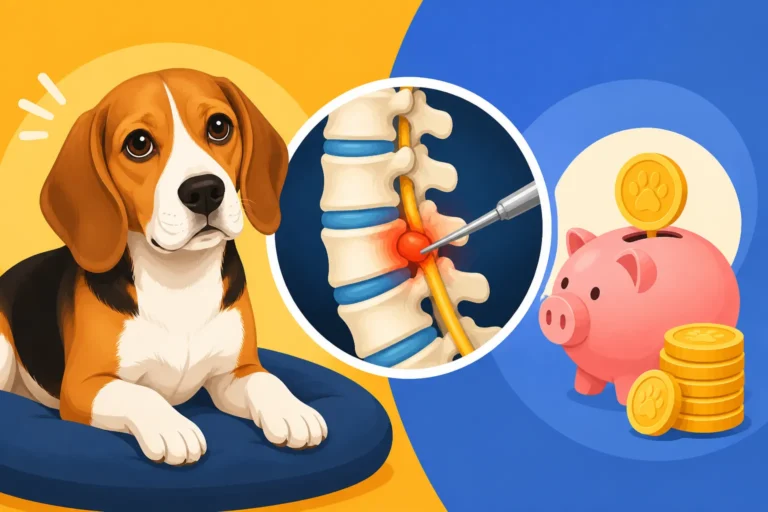
Imagine the spine as a stack of bony vertebrae, with soft, jelly-filled discs acting as cushions between each one. These discs allow for flexibility and absorb shock. For a Beagle, being a chondrodystrophic breed, these discs are prone to hardening and degenerating over time. This makes them less like a jelly donut and more like a stale cracker. When under pressure from a normal jump, twist, or even just an awkward movement, these compromised discs can rupture or bulge.
This is where we distinguish between the two main types of IVDD that can affect a Beagle's spine. Hansen Type I, which is most common in chondrodystrophic breeds like Beagles, involves the sudden rupture or "extrusion" of the disc's inner, jelly-like material into the spinal canal. Think of it like a squished jelly donut where the filling shoots out. This material then presses directly on the delicate spinal cord, causing acute pain and potentially severe neurological deficits. Hansen Type II, on the other hand, is a slower, more gradual "protrusion" or bulging of the outer fibrous part of the disc. While still painful and damaging, it usually has a less sudden onset of symptoms. Given a Beagle's slightly long back, this breed is particularly susceptible to these disc issues. The sudden onset of pain, often a sharp yelp followed by stiffness or weakness, can be incredibly distressing for both dog and owner.
Common Signs and Progression of IVDD
Spotting IVDD early can be tough because Beagles are famously stoic and often try to hide their pain, especially at first. However, there are crucial warning signs every Beagle owner should be aware of. One of the earliest indicators might be a subtle change in behavior – your normally enthusiastic jumper might hesitate to leap onto the couch or into the car. They might yelp unexpectedly when you pick them up, or shy away from being petted along their back. A lowered head posture or a hunched back can also be telling. If you notice your Beagle walking a little wobbly, almost like they're drunk, or if their hind legs seem weak, it's a huge red flag.
As the condition progresses, the symptoms become more severe and obvious. You might see a noticeable hind leg weakness, where they struggle to stand, their legs cross when they walk, or they stumble frequently. In critical cases, IVDD can lead to full paralysis of the hind limbs, meaning they can't move their back legs at all. This can be accompanied by loss of bladder and bowel control, which is incredibly serious and requires immediate veterinary attention. These symptoms can progress with frightening speed, turning a mild discomfort into a full-blown emergency in a matter of hours. Catching these early Beagle disc signs long before paralysis is key to a better prognosis and less invasive treatment options.
The High Cost of IVDD Diagnosis and Treatment
When IVDD strikes, the financial aspect can be as overwhelming as the emotional one. Veterinary care for spinal injuries is complex, requiring specialized equipment and expert medical staff, all of which come with a hefty price tag.
Diagnostic Procedures and Their Expense
Your journey will usually start with an emergency vet visit, where the veterinarian will perform a thorough physical and neurological exam. They'll assess your Beagle's pain levels, reflexes, and ability to move all four limbs. Pain medication and anti-inflammatory drugs are often prescribed immediately to make your pup more comfortable and to address any swelling. X-rays are typically the first imaging step, primarily to rule out other issues like fractures or tumors. However, here's the catch: standard X-rays don't show the soft tissue of the discs or spinal cord well. They can sometimes show narrowing of disc spaces, but they rarely provide a definitive diagnosis for IVDD itself.
For a true, accurate diagnosis of IVDD and to pinpoint the exact location and severity of the disc rupture, advanced imaging is almost always necessary. This means a trip to a specialist veterinary hospital for an MRI (Magnetic Resonance Imaging) or a CT (Computed Tomography) scan. These procedures are costly, often ranging from $2,500 to $5,000 or more, depending on your location and the facility. Your Beagle will need to be sedated or anesthetized for these scans, adding another layer of complexity and cost. Getting a clear image is critical because it dictates the treatment plan, especially if surgery is on the table. Without an MRI, a surgeon is essentially operating blind. Understanding Beagle MRI costs before back surgery is essential for preparing your budget.
Treatment Options and Associated Bills
Once diagnosed, your vet will discuss treatment options, which generally fall into two categories: conservative management or surgical intervention.
Conservative management is typically recommended for milder cases, or when surgery isn't an option due to other health concerns or financial constraints. This involves strict crate rest – and I mean strict. Your Beagle will be confined to a small space, only taken out for potty breaks on a leash, for several weeks. This helps to prevent further damage and allows the spinal cord to heal. Medications like anti-inflammatory drugs, pain relievers, and muscle relaxers are crucial during this time. While less expensive than surgery upfront, conservative management can still rack up bills for medications, follow-up vet visits, and potentially long-term physical therapy if weakness persists.
For more severe cases, especially those involving paralysis or rapid neurological decline, surgery is often the best, and sometimes only, option. Decompressive surgery, such as a hemilaminectomy, involves a veterinary neurologist or surgeon carefully removing the disc material that is compressing the spinal cord. This is a highly specialized and delicate procedure, and the cost can be staggering, often ranging from $5,000 to $10,000, or even more in some cases. This includes the surgeon's fees, anesthesia, hospital stay, and any immediate post-operative care.
The journey doesn't end with surgery. Post-operative care is critical for recovery and can include extended hospital stays, intensive pain management, and extensive rehabilitation. Physical therapy, hydrotherapy (underwater treadmill), and specialized exercises are vital to help your Beagle regain strength, coordination, and proprioception. These sessions can be expensive, often costing hundreds of dollars per week for several weeks or months. Medications for pain and inflammation may also continue long-term. Many owners find that the odds of recovery improve significantly with dedicated follow-up care and physical therapy after a back injury.
Here's a simplified breakdown of potential costs you might face:
| Service Category | Cost Range (Approximate) | Notes |
|---|---|---|
| Emergency Vet Visit (Initial) | $100 – $300 | Includes exam, pain meds, initial consultation |
| X-rays | $200 – $500 | To rule out fractures, general bone assessment |
| MRI / CT Scan | $2,500 – $5,000 | Essential for definitive diagnosis and surgical planning |
| Conservative Treatment | $500 – $2,000 | Strict crate rest, medications, follow-up exams (over several weeks) |
| Decompressive Surgery | $5,000 – $10,000+ | Highly specialized, includes anesthesia, hospital stay |
| Post-Op Hospitalization | $500 – $2,000 | Depending on complications and length of stay |
| Physical Rehabilitation | $50 – $200 per session | Often multiple sessions per week for months |
| Long-Term Medication | $50 – $200 per month | Pain management, anti-inflammatories |
Pet Insurance and the Crucial Waiting Period for IVDD
The sheer cost of IVDD care is where pet insurance can truly become a lifesaver, transforming a potentially devastating financial blow into a manageable situation. However, understanding how pet insurance works, especially regarding waiting periods, is absolutely critical.
How Pet Insurance Works for Unexpected Conditions
At its core, pet insurance is designed to help cover the costs of unexpected illnesses and accidents. You pay a monthly premium, and in return, the insurance company reimburses you a percentage of your eligible veterinary bills after you've met your annual deductible. This can include everything from emergency care to diagnostics, surgery, and even some rehabilitation. The key benefit is mitigating the financial shock of conditions like IVDD, which can arise without warning and cost thousands.
The catch, and it's a big one, is that you generally need to have insurance before your pet gets sick or injured. If your Beagle is diagnosed with IVDD before you enroll in a policy, or during the policy's waiting period, it will almost certainly be considered a "pre-existing condition" and excluded from coverage. This is why many experienced Beagle owners strongly advocate for getting a policy when your pup is young and healthy, ideally before the typical age window for IVDD to appear.
Understanding Waiting Periods and Their Impact on IVDD
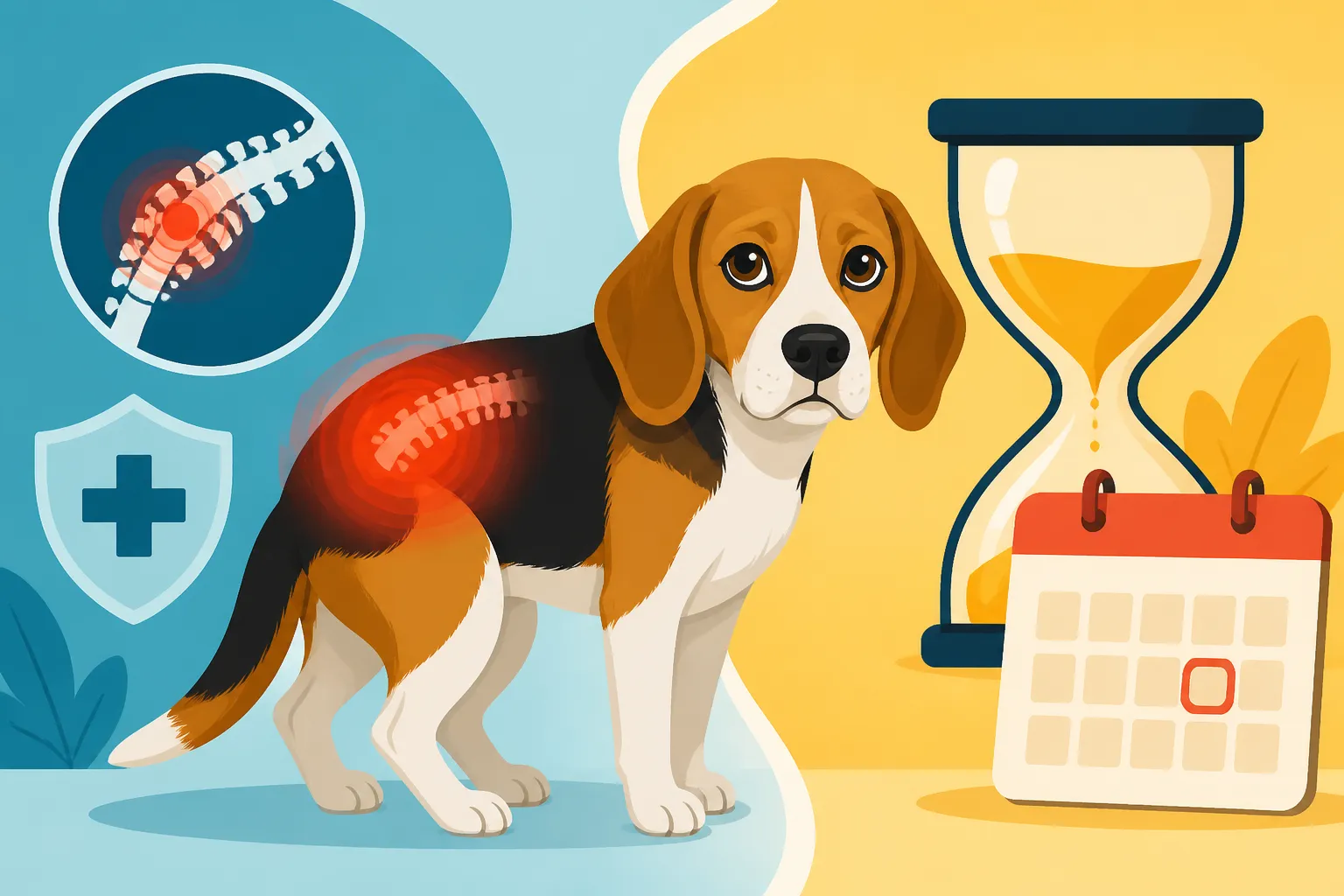
Waiting periods are the non-negotiable timeframe between when your pet insurance policy becomes active and when you can actually start filing claims for specific conditions. These periods vary by provider and by the type of coverage.
For accidents, waiting periods are often quite short, sometimes just a few days. So, if your Beagle breaks a leg in an accident two days after your policy starts, it's likely covered. However, for illnesses, the waiting period is typically longer, often 14 days, sometimes up to 30 days. This means any illness diagnosed or showing symptoms within this window won't be covered.
Here's where it gets really important for IVDD: many pet insurance providers have extended waiting periods for orthopedic conditions, which can include disc issues. While not always as long as the 6 or 12 months often seen for hip dysplasia or cruciate ligament injuries, it's crucial to check your specific policy. For example, some providers might categorize IVDD under general illness, with a 14-day waiting period, while others might classify it under musculoskeletal issues with a longer wait. If your Beagle starts showing IVDD symptoms even one day before your policy's waiting period for that condition is over, it becomes a pre-existing condition. This means your insurance won't pay for any of the diagnosis or treatment related to that IVDD episode, and potentially not for any future IVDD issues either, as it's now a known condition.
This is why researching pet insurance between $38 and $73 a month and enrolling early is paramount. Companies like Healthy Paws, for instance, are known for their comprehensive accident and illness plans, but they still have waiting periods you need to be aware of. Similarly, if you were to consider a policy from Fetch or Trupanion, you'd find similar waiting period structures for illnesses. It’s also vital to understand that conditions like Beagle hypothyroidism and policy exclusions often come with their own specific waiting periods or pre-existing condition clauses.
Navigating Policy Details for Disc Disease
Given the financial risk of IVDD, carefully navigating policy details is not just recommended; it's essential. When you're comparing pet insurance providers, don't just look at the premium. Dive into the fine print, specifically focusing on sections related to orthopedic conditions, spinal issues, and hereditary/congenital conditions. Ask direct questions:
- What is the waiting period for illnesses?
- Is there a separate, extended waiting period for orthopedic conditions or IVDD specifically?
- How does the policy define a "pre-existing condition" for disc disease? Some policies might define it as any symptom showing before the waiting period ends, even if not formally diagnosed.
- Are there any breed-specific exclusions for Beagles regarding spinal issues? (This is rare for IVDD, but always worth asking).
The benefit of enrolling your Beagle when they are a young puppy and perfectly healthy cannot be overstated. By doing so, you're giving them the best chance of being covered for future health issues like IVDD, as long as symptoms don't appear within those initial waiting periods. Even if your Beagle is already a few years old but has no history of back problems, enrolling them sooner rather than later is a smart move. Websites like Chewy sometimes offer resources for comparing different pet insurance plans, which can be a helpful starting point for your research. Don't be afraid to get quotes from multiple providers, like Healthy Paws, Lemonade, or Embrace, and meticulously compare their terms for musculoskeletal conditions.
Proactive Care and Long-Term Management
While pet insurance is a crucial safety net, proactive care plays an immense role in minimizing your Beagle's risk of IVDD and managing life after a diagnosis.
Preventing or Mitigating IVDD Risk
You can't change your Beagle's genetics, but you can certainly influence environmental factors that contribute to disc disease. The most significant factor you can control is your Beagle's weight. An overweight Beagle places immense additional pressure on their spine, accelerating disc degeneration and increasing the likelihood and severity of IVDD. It's often harder to tell why an overweight Beagle still looks normal due to their sturdy build, so regular body condition scoring is essential. Working closely with your vet to maintain a healthy, lean weight is perhaps the single most impactful thing you can do. Consider feeding fresh food brands like Ollie, tailored to your Beagle's specific caloric needs, as part of a weight management plan, always in consultation with your vet.
Another key area is managing their exercise and daily movements. While Beagles need plenty of exercise to stay happy and healthy, avoiding high-impact activities that involve repetitive jumping, twisting, or sudden stops can help. Instead of allowing uncontrolled leaps off the couch or bed, consider ramps and steps that protect a Beagle spine. This simple addition can significantly reduce the strain. For walks, always use a harness instead of a collar. A harness that protects a Beagle's neck distributes pressure across their chest and shoulders, preventing sudden jerks on the neck and spine that a collar can cause, especially if they pull hard on the leash when they catch a scent. Regular, controlled leash walks, rather than intense, uncontrolled play sessions, are often better for their spinal health.
Living with a Beagle Post-IVDD
If your Beagle has been diagnosed with IVDD, whether they underwent surgery or were managed conservatively, life will likely change. Adapting your home environment is crucial for their long-term well-being and to prevent recurrence. This means no more jumping off furniture; use those ramps and steps religiously. Consider orthopedic beds that provide excellent support, especially if they're recovering from surgery. Keep food and water bowls elevated to avoid putting strain on their neck and back while eating.
Ongoing physical therapy, even after the initial recovery period, can be incredibly beneficial. Your vet might recommend hydrotherapy to build strength without putting stress on their joints, or specific exercises to improve core strength and stability. Regular check-ups with your veterinarian are essential to monitor their spinal health, assess any pain, and adjust medication or management plans as needed. Discuss with your vet about joint supplements that contain ingredients like glucosamine, chondroitin, and Omega-3 fatty acids, which can support disc and joint health. While these aren't a cure, they can be part of a holistic approach to long-term spinal care. Remember, consistency in care, combined with vigilant observation, will be your best tools for ensuring your Beagle lives a comfortable and happy life after an IVDD diagnosis.
Disclaimer
The information provided in this article is for general informational purposes only and is not a substitute for professional veterinary advice. Always consult with a qualified veterinarian regarding your Beagle's health concerns, diagnosis, and treatment options for Intervertebral Disc Disease (IVDD) or any other medical condition. Pet insurance policies, terms, and waiting periods vary significantly by provider and plan; it is essential to read your specific policy details carefully and discuss any questions with your insurance provider.