Fake Beagle Litters and the Deposit That Vanishes
The excitement of finding the perfect Beagle puppy, that little bundle of joy with big floppy ears and an even bigger personality, can make us vulnerable to truly heartbreaking scams. Unfortunately, countless hopeful owners have faced the crushing disappointment of discovering their dream puppy was nothing more than a stolen photo and a vanished deposit. This comprehensive guide will equip you with the knowledge to identify, avoid, and act against the deceptive tactics employed by those who prey on our love for dogs.
The Devastating Reality of Puppy Scams
The internet has opened up incredible avenues for connecting with reputable Beagle breeders, but it's also given fraudsters a vast platform to exploit unsuspecting individuals. These scams aren't just about losing money; they inflict a deep emotional wound, leaving you feeling betrayed, foolish, and heartbroken when you realize the puppy you've been anticipating never existed. It’s a cruel game played with real people’s hopes and dreams.
How These Scams Usually Unfold
A typical puppy scam starts innocently enough. You're browsing online, perhaps on social media groups or seemingly legitimate pet listing websites, and you stumble upon an adorable litter of Beagle puppies. The photos are usually professional-looking and incredibly appealing. Often, scammers will use pictures stolen from legitimate breeders or even stock photos, making their "offer" appear authentic. They might even list a price that seems just a little bit too good to be true, drawing you in.
Once you make contact, the scammer's tactics begin to unfold. They'll respond quickly, often with a highly polished yet vague story about the puppies. They might claim to be missionaries overseas, a military family suddenly deployed, or someone facing a sudden personal emergency, all designed to tug at your heartstrings and explain why an in-person visit isn't possible. They'll press you for a deposit, often a significant sum, to "hold" your chosen puppy, claiming high demand or implying that if you don't act fast, another eager family will scoop up your future furry friend. You might even be tempted to buy a new collar and leash, or start browsing for puppy food on sites like Chewy, imagining all the fun supplies you'll get.
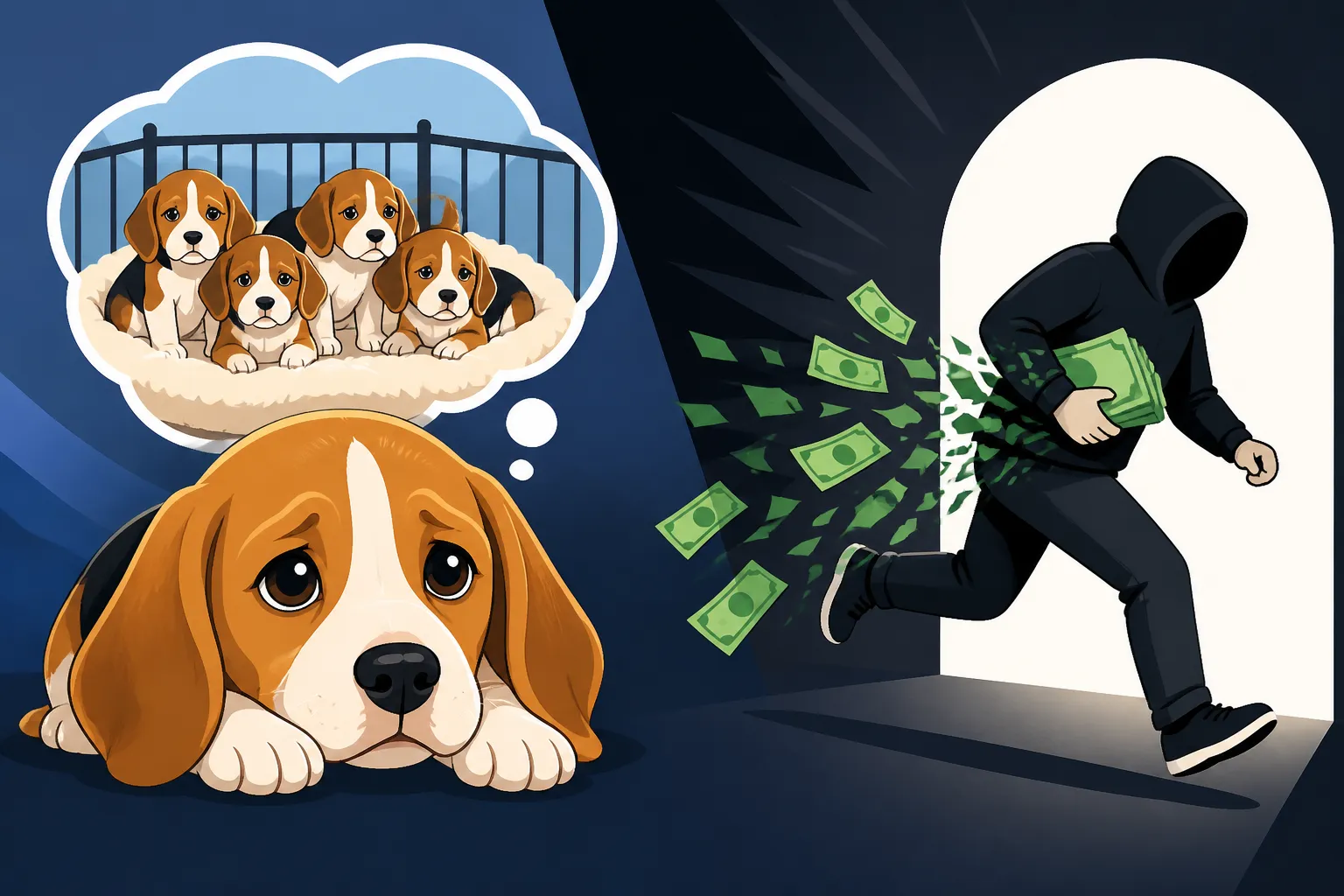
After the deposit is sent, communication might become sporadic, or they might invent new fees: "shipping insurance," "vaccination costs," or even "temperature-controlled crate fees." Each new fee comes with a sob story and a sense of urgency. They'll promise delivery by a certain date, often just a few days away, knowing that anticipation will keep you from questioning too much. When that date arrives, the puppy, of course, never materializes. All contact typically ceases, leaving you with empty pockets and an empty heart.
The Emotional and Financial Fallout
The financial loss from a puppy scam can be substantial, often ranging from hundreds to thousands of dollars. Many people, so invested emotionally, will pay multiple "fees" before realizing they're being conned. This can quickly deplete savings set aside for a new family member, or worse, put you in debt. Losing money is frustrating, but the deeper impact is often emotional. The excitement of bringing home a new Beagle puppy is profound; you've likely spent weeks, if not months, imagining them in your home, picking out names, and preparing for their arrival.
When the realization hits that the puppy never existed, it feels like a personal betrayal. There's a sense of grief for the imagined pet, compounded by feelings of anger, embarrassment, and self-blame. It’s important to remember that these scammers are sophisticated and predatory; their entire business model is built on manipulating emotions and trust. They target good-hearted people who simply want to provide a loving home. While pet insurance from providers like Healthy Paws can offer peace of mind for future medical needs, it won't cover the loss of a scam deposit. The best defense is proactive vigilance.
Red Flags to Spot Before You Send a Penny
Spotting a scammer isn't always easy, but there are definite warning signs that, once recognized, can save you a lot of heartache and money. Trust your gut feeling; if something feels off, it probably is. Being informed about these red flags is your first line of defense in protecting yourself.
Suspicious Communication and Pressure Tactics
One of the most common red flags is the nature of the communication itself. Scammers often prefer to communicate solely through email or text, avoiding phone calls or video chats. If they do agree to a call, their voice might sound different from what you expect, or they might have an excuse about a bad connection. Pay close attention to their language; look for inconsistent stories, poor grammar, or phrases that sound like they've been copied and pasted from a script. They might also claim to be located in one area, like New York, but their phone number's area code points to California.
They will almost always employ high-pressure tactics. They might tell you that many other people are interested in the same puppy and you need to send a deposit immediately to secure it. There's usually a sense of manufactured urgency, urging you to act before you have time to thoroughly research or ask critical questions. Reputable breeders, on the other hand, are rarely in a rush. They want to ensure their puppies go to the right homes and will often have a waiting list, prioritizing fit over speed. When you're looking for a Beagle puppy, always be wary of someone pushing you to make a quick decision.
Unrealistic Pricing and Lack of Transparency
Beagle puppies from reputable breeders come with a certain price tag, reflecting the significant investment in health testing, proper nutrition, vet care, and time spent on socialization. If you see an advertisement for a Beagle puppy at a price that seems significantly lower than average – for example, a purebred Beagle puppy listed for only a few hundred dollars when the going rate is usually well over a thousand – consider it a major red flag. This often falls into the category of "too good to be true." You can get a sense of what a Beagle puppy costs from a breeder by doing a little research.
Legitimate breeders are transparent about their practices. They'll happily share details about the puppy's parents, including their health clearances, temperament, and registration information. They'll have a clear understanding of the breed standard, any potential genetic conditions like Musladin-Lueke Syndrome, and can explain the importance of a Beagle DNA test. Scammers, however, will be vague. They might not know the sire and dam's names, claim the puppies are "designer breeds" with inflated, nonsensical descriptions, or simply dodge questions about health certifications. If you're comparing a deal that seems too cheap against a breeder who provides extensive details about their lineage and health testing, you're likely seeing a scam versus a legitimate operation.
The 'Too Good to Be True' Warning Signs
Beyond pricing, there are other signs that scream "scam." Be cautious if a seller claims to have multiple breeds available in the same litter or a wide variety of "rare" colors or sizes that aren't typical for Beagles. Often, these puppies will appear absolutely perfect in their photos – often impossibly so, almost like they're professional models – which is another indicator that the images might be stolen.
Another common tactic is when the "breeder" claims they can't meet in person because they are far away, but they can arrange shipping for an additional fee. This is a classic method to avoid revealing their true identity and location. While some reputable breeders do ship puppies, they will always do so through established, safe pet transport services, and they will never demand obscure payment methods like gift cards, wire transfers, or cryptocurrency. If you're seeing a listing for Beagle puppies under $800 and the seller is asking for payment via a non-traceable method, it’s almost certainly a scam. It's also critical to understand that waiting lists at reputable Beagle kennels are a normal practice, indicating a breeder's popularity and careful planning, not an immediate availability that allows you to bypass due diligence.
| Feature | Reputable Breeder | Scammer (Red Flags) |
|---|---|---|
| Initial Contact | Asks questions about your home/experience, thorough process. | Minimal vetting, quickly pushes for a deposit. |
| Communication | Open to calls, video chats, provides physical address. | Prefers email/text, avoids calls, vague location. |
| Photos/Videos | Can provide current, unique, unedited media on request. | Uses stolen, stock, or generic photos/videos. |
| Pricing | Reflects investment in health, care, and breeding standards. | Significantly lower than average, "bargain" prices. |
| Transparency | Shares parent health clearances, pedigrees, vet records. | Vague on lineage, health, avoids specific questions. |
| Deposit Terms | Clearly outlined in a contract, often refundable with conditions. | Demands immediate, non-refundable deposit, no contract. |
| Payment Method | Accepts credit cards, PayPal Goods & Services, checks. | Demands wire transfers, gift cards, cryptocurrency. |
| Availability | May have a waiting list, plans litters carefully. | Puppies always "available now," high urgency. |
| Meeting Puppy | Encourages in-person visits or video calls. | Invents excuses for why you can't see the puppy in person. |
Safeguarding Your Search for a Beagle Puppy
Finding a legitimate Beagle breeder might take a little more time and effort, but it is absolutely worth it. The peace of mind that comes with knowing you’re bringing home a healthy, well-socialized puppy from an ethical source is priceless. Taking these proactive steps will ensure your journey to Beagle ownership is a joyous one.
Verifying a Breeder's Legitimacy
The most crucial step is to thoroughly vet any potential breeder. Start by searching for breeders through reputable breed clubs, such as the National Beagle Club of America, or through the American Kennel Club (AKC) Marketplace, which allows you to search for breeders by location and breed. These organizations often list breeders who adhere to strict ethical guidelines, including health testing recommendations. Ask for references from other puppy buyers and take the time to contact them.
Always verify health clearances. Reputable Beagle breeders will openly provide proof of health testing for the parents, not just the puppy. This includes hip and eye screenings, and genetic tests for conditions like Musladin-Lueke Syndrome. For example, the Orthopedic Foundation for Animals (OFA) and the Canine Health Information Center (CHIC) are excellent resources for verifying these certifications. If a breeder cannot provide a CHIC number or detailed results, it's a significant cause for concern. Remember, you want to know the MLS result a Beagle breeder must show you, among other important health information. Look for breeders who also engage in dog sports, conformation shows, or field trials, as this demonstrates a commitment to the breed and an understanding of proper breeding practices.
Secure Payment Methods and Contracts
Never, under any circumstances, agree to pay for a puppy using untraceable methods like wire transfers (Western Union, MoneyGram), gift cards (Vanilla Visa, Amazon gift cards), or cryptocurrency. These forms of payment are favored by scammers precisely because they are nearly impossible to recover once sent. Stick to secure methods such as credit card payments, PayPal (using the Goods & Services option, which offers buyer protection), or personal checks (though these require a waiting period for clearance).
A legitimate breeder will always provide a written contract. This document should outline everything: the purchase price, health guarantees, spay/neuter clauses, expectations for the puppy's care, and what happens if there are health issues down the line. Make sure you read and understand every part of the Beagle breeder contracts and spay clauses. If a breeder tries to rush you through the contract or dismisses its importance, that's a serious red flag. Reputable breeders view contracts as a mutual agreement to protect both the puppy and the buyer. Always remember to clarify Beagle puppy deposits and their refund terms before any money changes hands.
In-Person Visits or Video Calls
There is simply no substitute for seeing the puppy and its living conditions in person. A reputable breeder will welcome you to their home or kennel to meet the puppies, their mother, and often the father. This allows you to observe the puppies' temperament, see how they interact with their littermates and mother, and assess the cleanliness and safety of their environment. You want to see happy, healthy puppies in a stimulating environment, not timid or sickly pups in unsanitary conditions.
If an in-person visit isn't feasible due to distance – for instance, if you're considering shipping a Beagle puppy across state lines from a highly recommended breeder – a video call is the absolute minimum requirement. Insist on a live video call where you can see the puppy, its mother, and the environment. Ask the breeder to move the puppy around, show specific markings, or demonstrate certain behaviors. Scammers will often make excuses about poor internet connections or timing conflicts to avoid video calls because they don't have a real puppy to show you. If they can't even offer a live video chat, walk away. It's just not worth the risk.
What to Do If You've Been Scammed
Discovering you've been the victim of a puppy scam is devastating, but it's important to take action immediately. While recovering your money can be challenging, reporting the fraud can help prevent others from falling prey to the same scammer. Don't let shame or embarrassment stop you from reporting; you are not alone, and these criminals thrive on silence.
Reporting the Fraud
The first step is to gather all the evidence you have: emails, text messages, screenshots of advertisements, payment receipts, and any names or phone numbers the scammer provided. With this information in hand, contact your local law enforcement agency. While they may not always be able to recover your funds, filing a police report is crucial for documenting the crime.
Next, report the scam to federal agencies. The Federal Trade Commission (FTC) accepts complaints about scams and fraud, and you can file a report online. The Internet Crime Complaint Center (IC3), a division of the FBI, also collects information on internet scams. If the scam involved a specific website or platform, report it to the administrators of that site as well. For example, if you saw the ad on a social media platform or a classifieds website, inform them so they can take down the fraudulent listing and account.
Seeking Financial Recourse (If Any)
Recovering money from a puppy scam is often difficult because scammers typically use untraceable payment methods. However, if you paid by credit card or through PayPal's Goods & Services, you might have some recourse. Contact your credit card company or PayPal immediately to dispute the charge and explain that you were a victim of fraud. They may be able to reverse the transaction, especially if it was a recent payment. Be prepared to provide all the evidence you've collected.
If you used a bank transfer or debit card, your options are much more limited, but still contact your bank to see if there's any possibility of stopping or reversing the transaction, especially if it was very recent. The faster you act, the higher the (slim) chance of recovery. Unfortunately, if you sent money via wire transfer or gift cards, those funds are almost certainly gone for good. This is precisely why scammers insist on these methods.
Moving Forward After a Scam
Being scammed is a traumatic experience, and it's okay to feel angry, sad, or frustrated. Allow yourself to process these emotions. Don't let this negative experience deter you from your dream of owning a Beagle. Many legitimate, ethical breeders are out there waiting to connect with responsible owners like you. Take a breather, reassess your search methods, and commit to being even more vigilant.
Consider exploring options like adopting a Beagle instead of buying one. There are numerous Beagle rescues and shelters across the country filled with wonderful dogs looking for forever homes, often at a lower cost and with thorough vetting. Many rescues, for instance, took in some of the Envigo Beagles from research facilities, offering them a second chance at life. When you do resume your search, make sure you know what should come home with a Beagle puppy, like their health records and initial supplies. If you're dreaming of feeding your future Beagle puppy premium food like Ollie, make sure you're dealing with a legitimate source first, one who cares about their dogs' welfare as much as you do. Your perfect Beagle is out there; you just need to ensure your path to them is safe and secure.
Disclaimer
This guide provides general information and advice. It is not a substitute for professional legal or veterinary counsel. Always consult with legal professionals regarding fraud or with your veterinarian for specific health and care advice for your Beagle.