Beagle Heart Disease and Murmurs
It’s absolutely heartbreaking to hear that unsettling sound – a cough, a wheeze, or perhaps even a strange murmur your vet just picked up – and realize your beloved Beagle might be facing a heart condition. The fear and confusion can be overwhelming, especially when you're just trying to understand what these terms even mean. This guide is here to walk you through everything you need to know about Beagle heart disease and murmurs, from understanding the basics to navigating diagnosis and exploring treatment options, so you can advocate for your furry family member.
Understanding Beagle Heart Health
When we talk about heart health in Beagles, it's easy to get lost in medical jargon. But at its core, it's about a pump and a network of pipes working efficiently. When something goes wrong, it affects their entire system, and for an active, scent-driven breed like the Beagle, that can significantly impact their quality of life.
The Beagle's Heart: A Brief Overview
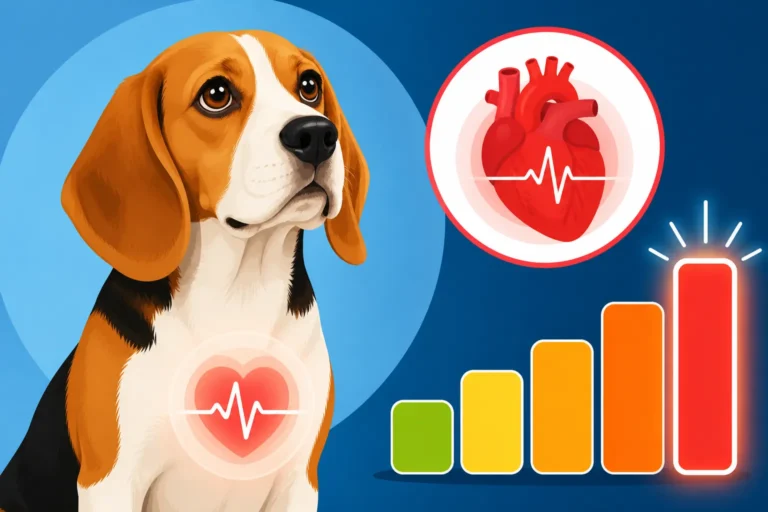
Your Beagle's heart is a marvel of nature, constantly working to pump blood throughout their body, delivering oxygen and nutrients to every cell. It’s a four-chambered muscle, with valves that act like one-way doors, ensuring blood flows in the correct direction. The sound of a healthy heartbeat is a strong, steady "lub-dub," which vets listen for during routine check-ups. Any deviation from this rhythm or sound can signal an underlying issue that needs attention. Think of it like a car engine; you want it purring smoothly, not sputtering or making strange knocking noises.
Beagles, with their zest for life and often robust appetites, can sometimes mask early signs of internal trouble. This makes regular veterinary visits incredibly important, as your vet might catch subtle changes that you, as an owner, haven't yet noticed. They're trained to spot these early indicators, which could save you a lot of worry and your Beagle a lot of discomfort down the line.
Why Beagles Are Prone to Heart Conditions
While Beagles are generally a hardy breed known for their Beagle Lifespan and the Twelve to Fifteen Year Range, they aren't immune to certain health challenges, and some heart conditions appear to be more prevalent in the breed. One of the more commonly cited conditions in Beagles is Patent Ductus Arteriosus (PDA), a congenital defect. This means it's present from birth, affecting puppies right from the start. Other issues, like certain types of valve disease, tend to emerge as Beagles age.
Genetics play a significant role in a Beagle's susceptibility to these conditions. Responsible breeders often conduct cardiac screening before breeding their Beagles to try and reduce the incidence of congenital heart problems. Without such careful screening, certain genetic predispositions can continue to be passed down through generations. Environmental factors and lifestyle, such as weight, also influence heart health, making it a complex interplay of nature and nurture.
The Difference Between a Murmur and Disease
Hearing your vet say "heart murmur" can be terrifying, but it's crucial to understand that a murmur isn't always the same as heart disease. A heart murmur is simply an abnormal sound heard when listening to the heart with a stethoscope. It's caused by turbulent blood flow. Imagine water flowing smoothly through a pipe versus water hitting a kink or obstruction and creating a whooshing sound; that's essentially what a murmur is.
Sometimes, especially in puppies, innocent or "physiologic" murmurs can occur and resolve on their own as they grow. However, a murmur can also be an indication of an underlying structural problem with the heart, such as a faulty valve or a hole between chambers. If your vet detects a murmur, they will typically assess What Grade a Beagle Heart Murmur Has to Reach to determine its significance and whether further investigation is necessary. A murmur is a symptom or sign, not a diagnosis of heart disease itself. Heart disease, on the other hand, refers to the actual functional or structural impairment of the heart that impacts its ability to pump blood effectively.
Common Forms of Beagle Heart Disease
Understanding the specific types of heart disease that can affect Beagles can help you be more informed when discussing your dog’s health with your veterinarian. Each condition has its own characteristics, progression, and treatment approaches.
Patent Ductus Arteriosus (PDA) in Puppies
Patent Ductus Arteriosus (PDA) is one of the most common congenital heart defects seen in Beagles and often catches owners by surprise in young pups. In a developing fetus, there’s a blood vessel called the ductus arteriosus that connects the aorta and pulmonary artery, allowing blood to bypass the lungs, which aren't yet functional. After birth, this vessel is supposed to close on its own within a few days. When it doesn't, it's called a "patent" (open) ductus arteriosus.
This open vessel allows a portion of the oxygenated blood that should be going to the body to flow back into the lungs, overloading the pulmonary arteries and the left side of the heart. Over time, this leads to heart enlargement and can eventually cause congestive heart failure if left untreated. Symptoms in puppies can include stunted growth, difficulty breathing, a persistent cough, and lethargy, though some might not show obvious signs initially, apart from a very distinctive, continuous "machinery-like" murmur that a vet can hear. Early detection and surgical correction are often curative for PDA.
Mitral Valve Disease (MVD) and the Aging Beagle
As Beagles age, they become more susceptible to acquired heart conditions, and Mitral Valve Disease (MVD) is a common one, particularly in smaller breeds but certainly seen in Beagles. The mitral valve is one of those one-way doors between the left atrium and the left ventricle. In MVD, this valve degenerates and thickens over time, causing it to fail to close properly. This results in a backflow of blood (regurgitation) into the left atrium each time the heart pumps.
This condition is progressive, meaning it generally worsens over time. The heart has to work harder to compensate for the inefficiency, eventually leading to enlargement and, often, congestive heart failure. Owners might notice signs like increased coughing, especially at night or when resting, exercise intolerance, panting, or even a collapsing spell. It's a common condition in older dogs, and management focuses on medication to reduce the heart's workload and control fluid buildup. Regular veterinary check-ups and monitoring are vital for any senior Beagle Care After the Age of Ten.
Dilated Cardiomyopathy (DCM)
Dilated Cardiomyopathy (DCM) is a less common but very serious heart condition in Beagles, characterized by the enlargement and weakening of the heart muscle walls. When the heart muscle becomes thin and stretched out, it can't pump blood effectively to the rest of the body. While it's more often associated with larger breeds, it can still affect Beagles. The cause can sometimes be genetic, nutritional (e.g., taurine deficiency, though this is less common with commercial diets now), or idiopathic (unknown).
DCM often progresses subtly in its early stages, making it hard for owners to detect. As it advances, symptoms can include lethargy, decreased appetite, weight loss, difficulty breathing, and a persistent cough. In severe cases, dogs may experience fainting or sudden collapse. Sadly, DCM carries a guarded prognosis, but early diagnosis and aggressive medical management can help improve a Beagle's quality of life and potentially extend their lifespan. If you notice your Beagle becoming increasingly tired or struggling during activities they once enjoyed, it's crucial to have them checked out.
Spotting the Warning Signs
Recognizing the subtle cues that your Beagle might be experiencing heart trouble is absolutely critical. Beagles are notoriously stoic and their boundless energy can sometimes mask underlying issues for quite a while. Knowing what to look for can make all the difference in getting early intervention.
Subtle Behavioral Changes You Might Miss
One of the trickiest aspects of heart disease is that the early signs aren't always dramatic. They can be subtle shifts in your Beagle's behavior that you might initially attribute to old age, a bit of laziness, or just a bad day. For instance, you might notice your usually enthusiastic companion is less eager for their daily walk, or they tire more quickly than usual. Perhaps they don't want to play fetch for as long, or they lag behind on what used to be a brisk sniffari. These changes in exercise tolerance, even minor ones, can be a red flag.
Another subtle sign could be a change in their breathing patterns. You might notice they're panting more than usual, even without intense exercise, or their breathing seems more labored when they're resting. Sometimes, an increased respiratory rate during sleep can be an early indicator of fluid buildup in the lungs. Keeping a mental note, or even a physical diary, of these slight deviations from their norm can provide valuable information to your veterinarian. It’s these seemingly small changes that often tell the biggest story about what’s happening internally.
Physical Symptoms That Warrant Immediate Attention
While subtle changes are important, there are also more overt physical symptoms that should send you to the vet without delay. A persistent, soft cough, especially one that sounds wet or productive, can be a classic sign of fluid accumulating in the lungs due, often, to congestive heart failure. This cough might worsen when your Beagle is lying down or trying to sleep. It’s not just a seasonal cough; it’s one that lingers and seems to be getting worse.
Other critical signs include a distended abdomen, which can indicate fluid buildup (ascites) – a serious complication of heart failure. You might also observe pale or bluish gums (cyanosis), indicating a lack of oxygen, which is an emergency. Fainting or collapsing spells, even brief ones, are also extremely serious and suggest that the heart isn't pumping enough blood to the brain. If your Beagle exhibits any of these more dramatic symptoms, please don't wait; they require immediate veterinary attention.
When to Seek Emergency Veterinary Care
Knowing when to distinguish between "call the vet in the morning" and "go to the emergency vet now" is vital for a Beagle with potential heart issues. Any signs of severe respiratory distress – your Beagle struggling to breathe, rapid shallow breaths, gasping, or a bluish tint to their tongue or gums – are absolute emergencies. These symptoms suggest acute congestive heart failure or a critical lack of oxygen, and every minute counts.
Similarly, if your Beagle collapses, becomes suddenly weak, or loses consciousness, even momentarily, it’s an emergency. These could be signs of severe arrhythmia or inadequate blood flow to the brain. While it’s terrifying to experience, try to remain calm, transport your Beagle safely to the nearest emergency veterinary hospital, and provide the veterinary team with as much information as you can about when the symptoms started and what you observed. In these moments, fast action can be life-saving. Remember, when in doubt, it’s always better to err on the side of caution and get professional help. Many pet insurance providers, like Healthy Paws, offer coverage for emergency vet visits, which can be a huge relief in these stressful situations.
Diagnosis and Monitoring
Once you or your vet suspect a heart problem, a thorough diagnostic process is essential. It’s not just about identifying a problem, but pinpointing the exact condition, its severity, and how it’s affecting your Beagle. This detailed approach allows for the most effective treatment plan.
What a Vet Looks for During a Routine Exam
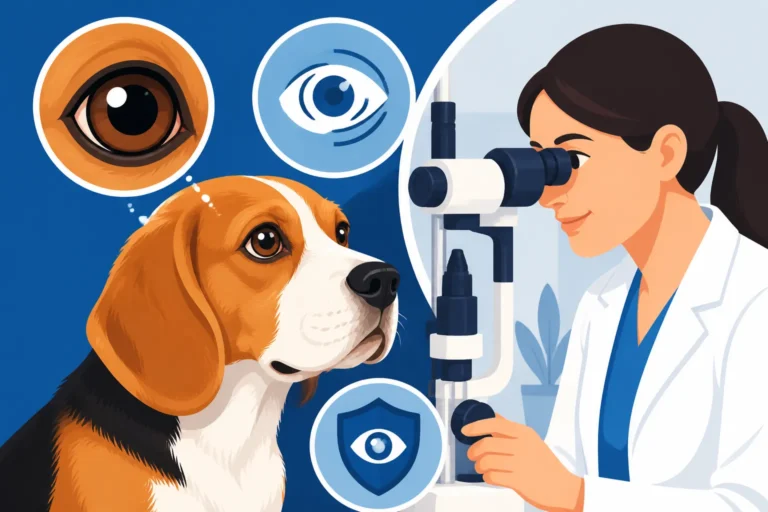
During a routine check-up, your veterinarian is doing much more than just giving your Beagle a quick pat. They perform a comprehensive physical exam that includes carefully listening to your Beagle's heart and lungs. They're listening for any abnormal sounds like murmurs, gallop rhythms, or muffled heart sounds, as well as any crackles or wheezes in the lungs that might suggest fluid accumulation. They'll also check your Beagle's pulse, assessing its strength and rhythm, and feel for any pulsations in the jugular veins in the neck.
Beyond the heart, they'll palpate your Beagle's abdomen for any fluid buildup (ascites) and check the color of their mucous membranes (gums) for any paleness or blueness that could indicate poor circulation or low oxygen. Your vet will also consider your Beagle's overall body condition, noting if they show signs of unexplained weight loss or Beagle Obesity Treated as a Health Problem, as excess weight can strain the heart. These routine physical exams are often the first line of defense in catching potential heart issues.
Advanced Diagnostics: From X-rays to Echocardiograms
If a murmur is detected or other signs point towards heart disease, your vet will likely recommend further diagnostic tests to get a clearer picture. Chest X-rays are invaluable for assessing the size and shape of the heart, as well as checking for fluid accumulation in or around the lungs (pulmonary edema or pleural effusion). They can often confirm if the heart is enlarged, which is common in many heart conditions.
For a definitive diagnosis, an echocardiogram (an ultrasound of the heart) is often recommended. This non-invasive test allows a veterinary cardiologist to visualize the heart's structure in real-time – seeing the chambers, valves, and major blood vessels. They can assess the thickness of the heart walls, the function of the valves, the strength of the heart muscle contractions, and detect any congenital defects like PDA. Often, an ECG (electrocardiogram) is also performed to evaluate the heart's electrical activity and detect any arrhythmias. These advanced tests are crucial for precise diagnosis and staging of heart disease. It's worth remembering that these specialized tests can be costly, and having pet insurance, such as through Healthy Paws, can significantly ease the financial burden.
The Importance of Regular Screenings
For breeds like Beagles, especially those from breeding lines with a history of heart issues, or as they approach their senior years, regular screenings become even more important. Early detection truly makes a difference in managing heart disease and improving your Beagle's quality of life. This can include annual or bi-annual physical exams where the vet specifically focuses on cardiac auscultation. For at-risk individuals or those with a murmur, repeat echocardiograms might be recommended every 6-12 months to monitor the progression of the disease.
These regular check-ups allow your veterinarian to establish a baseline for your Beagle's heart health and to catch subtle changes before they become severe. For example, if a mild murmur is noted in a younger Beagle, regular monitoring can determine if it remains innocent or if it progresses into a more significant issue requiring intervention. Proactive care is always better than reactive care, especially when it comes to the heart. This vigilance is a key component of Beagle Health Testing Under CHIC recommendations for breeders as well, ensuring healthier pups.
Here's a quick overview of common diagnostic tools:
| Diagnostic Test | What It Shows | Best For | Preparation Required |
|---|---|---|---|
| Physical Exam | Heart sounds (murmurs), pulse, breathing, gum color | Initial screening, baseline health check | None |
| Chest X-ray | Heart size/shape, fluid in lungs/chest | Assessing heart enlargement, congestive heart failure | Usually none, sometimes light sedation |
| Echocardiogram | Detailed heart structure (valves, chambers), function | Definitive diagnosis of specific heart diseases (e.g., PDA, MVD, DCM) | Minimal, sometimes light sedation for cooperation |
| ECG (Electrocardiogram) | Electrical activity of the heart, arrhythmias | Detecting abnormal heart rhythms | None, just calm cooperation |
| Blood Pressure | High or low blood pressure | Assessing overall cardiovascular health, impact of heart disease | Calm environment, several readings |
| Bloodwork | Organ function (kidneys, liver), baseline health | Assessing overall health, ruling out other conditions, monitoring meds | Fasting may be required |
Managing and Treating Beagle Heart Disease
Receiving a diagnosis of heart disease for your Beagle can be daunting, but it’s important to remember that many conditions are manageable. Treatment plans are highly individualized, aiming to improve heart function, reduce symptoms, and enhance your Beagle's quality of life for as long as possible.
Medication Protocols for Different Conditions
The specific medications your Beagle receives will depend entirely on the type and severity of their heart disease. For conditions like Mitral Valve Disease, common medications include diuretics (e.g., Furosemide) to help reduce fluid buildup in the lungs and body, ACE inhibitors (e.g., Enalapril, Benazepril) to relax blood vessels and reduce the heart’s workload, and sometimes Pimobendan, which helps the heart contract more efficiently and dilates blood vessels. These drugs often work synergistically to alleviate symptoms and slow disease progression.
In cases of arrhythmias, specific anti-arrhythmic drugs might be prescribed to stabilize the heart’s rhythm. For a congenital defect like PDA, the primary treatment is usually surgical. Post-surgery, medication might be needed for a short period to manage any lingering issues or discomfort. It’s crucial to administer all medications exactly as prescribed by your vet and never to adjust dosages without their guidance. Many Beagles on long-term heart medication will also require Liver Monitoring for a Beagle on Seizure Medication or other drugs, so regular blood work will be part of their care.
Dietary Adjustments and Exercise Modifications
Beyond medication, lifestyle changes, particularly regarding diet and exercise, play a significant role in managing heart disease. For Beagles prone to fluid retention, a low-sodium diet is often recommended to help minimize fluid buildup and reduce the workload on the heart. Your vet might suggest specific prescription cardiac diets formulated to meet these needs, or advise on how to prepare homemade meals with careful sodium control. It's also vital to monitor your Beagle's weight; maintaining an ideal body condition reduces strain on the heart, making Beagle Weight Management Across the Two Size Varieties a critical aspect of care.
Exercise modifications are also essential. While exercise is still important for their mental and physical well-being, the intensity and duration will likely need to be scaled back. Instead of vigorous running or long, strenuous hikes, shorter, more frequent, and gentle walks are often more appropriate. The goal is to provide mental stimulation and mild physical activity without overexerting the heart. Your vet will help you determine the right level of activity based on your Beagle’s specific condition and how well they are responding to treatment.
Surgical Interventions and Specialist Referrals
For some specific heart conditions, particularly congenital defects like Patent Ductus Arteriosus (PDA), surgical intervention is the gold standard and can be curative. PDA repair involves surgically closing the abnormal vessel, which often resolves the problem entirely, allowing the Beagle to live a normal, healthy life. This surgery is typically performed by a board-certified veterinary surgeon or cardiologist.
For more complex heart conditions, especially those involving advanced heart failure or challenging arrhythmias, your primary veterinarian might recommend a referral to a veterinary cardiologist. These specialists have advanced training and equipment (like echocardiogram machines) to diagnose and manage intricate cardiac cases. They can offer more specialized treatment options, including interventional procedures or advanced medical therapies that might not be available at a general practice. This collaborative approach ensures your Beagle receives the highest level of care. These specialist consultations and procedures can be costly, making pet insurance like that offered by Healthy Paws a valuable asset for many owners.
Living with a Heart Condition
A diagnosis of heart disease doesn't mean the end of a happy life for your Beagle. It simply means a new chapter of careful management, attentive care, and a strong partnership with your veterinary team. While challenges exist, many Beagles with heart conditions can continue to enjoy a good quality of life with proper support.
Providing Quality of Life for Your Beagle
The primary goal when managing heart disease is always to ensure your Beagle maintains the best possible quality of life. This means actively managing their symptoms to minimize discomfort, pain, and stress. Regular medication, appropriate diet, and controlled exercise are foundational. Pay close attention to their comfort – ensure they have a soft, comfortable place to rest, perhaps elevated if that helps with breathing. Minimize excitement or stressful situations that could put extra strain on their heart.
Mental enrichment is also vital. Even if physical activity is limited, activities like Scent Walks That Wear a Beagle Out can be incredibly fulfilling, allowing them to use their powerful nose without overexerting their heart. Puzzle toys and gentle indoor games can keep their minds sharp and spirits high. Regularly assessing their quality of life, perhaps using a simple questionnaire, can help you and your vet make informed decisions about their care as the disease progresses.
Managing the Emotional Toll on Owners
Living with a pet diagnosed with a chronic illness like heart disease can be incredibly emotionally taxing for owners. It's natural to feel worried, stressed, sad, or even guilty. You might find yourself constantly monitoring their breathing, worrying about every cough, or feeling overwhelmed by medication schedules and vet visits. It’s okay to acknowledge these feelings.
Seek support from your veterinary team, who can provide reassurance and practical advice. Connect with other pet owners who are going through similar experiences; online forums or local support groups can offer a safe space to share concerns and tips. Remember to also take care of yourself. Your Beagle relies on you, and you need to be physically and emotionally well to provide them with the best care. Don’t hesitate to ask for help from friends or family if you need a break or assistance with their care routine.
Prognosis and Long-Term Outlook
The prognosis for a Beagle with heart disease varies significantly depending on the specific condition, its severity, and how early it was diagnosed and treated. For congenital conditions like PDA, surgical correction often leads to a completely normal lifespan. For acquired diseases like Mitral Valve Disease or DCM, while they are progressive, early diagnosis and consistent medical management can often extend a Beagle's life by months to years, maintaining a good quality of life throughout.
Regular follow-up appointments, including periodic re-checks of heart function (e.g., repeat X-rays or echocardiograms), are crucial for monitoring disease progression and adjusting medications as needed. Your vet will work with you to recognize signs of worsening condition, such as Congestive Heart Failure Signs in an Old Beagle, so that treatment can be escalated appropriately. While living with heart disease requires vigilance, many Beagles continue to bring immense joy to their families for a significant time after diagnosis, thanks to advancements in veterinary cardiology. Planning for The Lifetime Cost of a Beagle Living Fifteen Years should include potential heart disease management, especially as they enter their senior years.
Disclaimer
The information provided in this guide is intended for educational purposes only and should not be considered a substitute for professional veterinary advice. Always consult with your veterinarian for any health concerns or before making any decisions related to your Beagle's medical care.