Anti-Seizure Medication for an Epileptic Beagle
Watching your beloved Beagle suddenly collapse into a seizure is one of the most terrifying experiences a dog owner can face. The helplessness, the fear for their safety, and the desperate wish to make it stop are feelings that stay with you long after the episode ends. This guide is here to walk you through the world of anti-seizure medication for Beagles, offering a detailed look at the options, what to expect, and how to navigate treatment so you can help your furry friend live the fullest life possible.
Understanding Beagle Epilepsy and Why Medication Matters
Beagles are sadly predisposed to epilepsy, a neurological disorder characterized by recurrent, unprovoked seizures. For many Beagles, this condition is idiopathic, meaning there's no identifiable cause like a brain tumor or injury. It's simply how their brain functions, often starting between six months and six years of age. Understanding this inherited predisposition is the first step in effective management.
What is Idiopathic Epilepsy in Beagles?
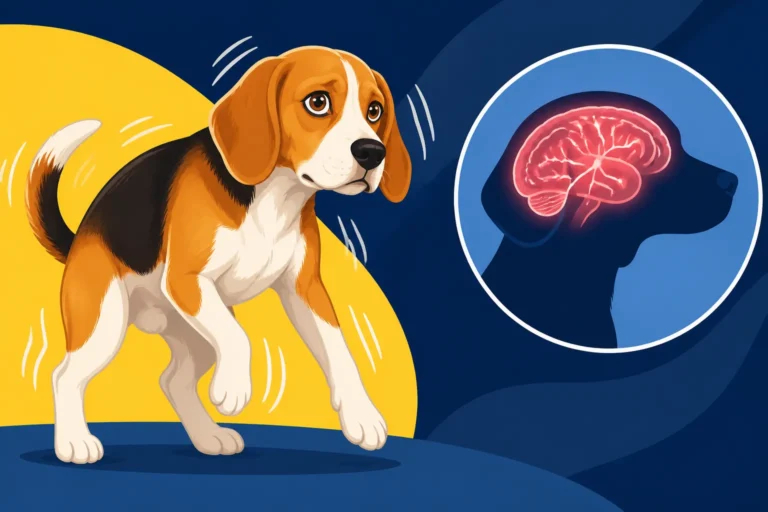
Idiopathic epilepsy in Beagles often manifests as generalized seizures, where the dog loses consciousness, collapses, and typically exhibits full-body convulsions. These aren't just isolated events; they stem from abnormal electrical activity in the brain. Imagine a sudden, uncontrolled electrical storm in the brain, overwhelming normal function. This is what's happening during a seizure. It's not a pain response or something your dog is choosing; it's an involuntary neurological event. Owners often report their Beagle might seem confused or "out of it" for a short period before or after a seizure, a phase known as the pre-ictal and post-ictal state. Knowing what a seizure actually looks like is crucial for accurate reporting to your vet.
It's a frustrating diagnosis because, unlike an infection you can clear with antibiotics, there's no "cure" for idiopathic epilepsy. Instead, the focus shifts entirely to management. The goal isn't necessarily to eliminate every single seizure, which is often an unrealistic expectation, but to significantly reduce their frequency, duration, and severity. This means fewer terrifying moments for you and, more importantly, a better quality of life for your Beagle, minimizing the impact of these unpredictable events.
The Goal of Seizure Management
The primary aim of starting anti-seizure medication is to achieve seizure control. This isn't about chasing a magic bullet, but about finding a balance where your Beagle experiences fewer seizures, and those that do occur are less intense and shorter-lived. For many owners, this means aiming for a significant reduction, perhaps from multiple seizures a month to one every few months, or even less frequently. The ideal scenario is seizure freedom, but realistically, most epileptic Beagles will still have occasional breakthrough seizures.
Another critical aspect of seizure management is improving your Beagle's overall well-being. Frequent or severe seizures can take a toll on a dog, leading to anxiety, exhaustion, and even injury. By stabilizing brain activity with medication, we help prevent these consequences, allowing your Beagle to return to their cheerful, inquisitive self between episodes. It’s about more than just numbers on a chart; it’s about watching your Beagle happily sniff around the yard again, enjoying their life without constant fear of the next event. This holistic approach ensures their mental and physical health are prioritized alongside seizure control.
Common Anti-Seizure Medications for Beagles
When a Beagle is diagnosed with epilepsy, the veterinary team will discuss a range of anti-seizure medications. The choice often depends on the severity and frequency of seizures, your Beagle's overall health, potential side effects, and even your ability to administer medication reliably. It's a highly individualized process, and what works for one Beagle might not be the best fit for another.
Phenobarbital: The Long-Standing Option
Phenobarbital has been a cornerstone in canine epilepsy treatment for decades, and for good reason: it's generally effective and relatively affordable. It works by depressing the central nervous system, which helps to stabilize brain cell membranes and reduce the likelihood of uncontrolled electrical firing. Most Beagles tolerate it well, and it can significantly reduce seizure activity. However, it's not without its drawbacks. When a Beagle is put on phenobarbital for epilepsy, you might initially notice some sedation, increased thirst, and increased appetite. These side effects often lessen over time as your Beagle's body adjusts, but some level of lethargy or increased hunger can persist.
The long-term use of phenobarbital requires careful monitoring. It's metabolized by the liver, and prolonged use can impact liver health. This means regular blood work, often every six months, is essential to check liver enzyme levels and ensure the medication isn't causing undue stress. It's a commitment, but one that many owners are willing to make for the sake of seizure control. Maintaining consistent dosing times is also critical for phenobarbital's effectiveness, so creating a routine is paramount.
Potassium Bromide: Often a Second Line
Potassium bromide is another common anti-seizure medication, often used in conjunction with phenobarbital when phenobarbital alone isn't providing adequate control, or if a Beagle cannot tolerate phenobarbital due to liver issues or severe side effects. It works by stabilizing nerve cell membranes, making them less excitable. Unlike phenobarbital, potassium bromide has a very long half-life, meaning it takes a long time to build up to therapeutic levels in the body (sometimes several weeks to months) and also takes a long time to clear. This makes dose adjustments a slower process.
Side effects of potassium bromide can include increased thirst and urination, increased appetite, and hind limb weakness or incoordination, especially at higher doses. It's excreted by the kidneys, so kidney function needs to be monitored, particularly in older Beagles or those with pre-existing kidney conditions. Potassium bromide is generally considered safe for long-term use, but like phenobarbital, consistent dosing is key. Some owners find the initial loading dose period, where a higher dose is given to achieve therapeutic levels faster, can be challenging due to more pronounced side effects, but this phase is temporary.
Other Newer Medications and Combinations
Veterinary medicine is always evolving, and several newer anti-seizure medications offer alternatives or additions to phenobarbital and potassium bromide. Levetiracetam (brand name Keppra) is often favored for its rapid onset and minimal liver metabolism, making it a good choice for Beagles needing quick control or those with compromised liver function. It's generally very well-tolerated with few side effects, though it needs to be given frequently (typically every 8 hours), which can be a logistical challenge for some owners. Zonisamide is another option that can be used alone or in combination, often with fewer side effects than older drugs, and it's given once or twice daily. Gabapentin is sometimes used as an add-on therapy, especially if pain or anxiety are co-occurring issues, though its anti-seizure effect alone is generally considered mild.
The beauty of these newer medications is that they expand the toolbox for managing complex cases. If a Beagle isn't responding well to a single medication, or if side effects are problematic, your vet might suggest a combination therapy, using two or more drugs that work through different mechanisms. This multimodal approach often achieves better seizure control with lower doses of each individual drug, potentially reducing overall side effects. It’s important to remember that finding the right medication or combination is often a process of trial and error, requiring patience and close collaboration with your veterinarian.
Here's a quick comparison of common anti-seizure medications for Beagles:
| Medication Name | Primary Mechanism of Action | Typical Dosing Frequency | Common Side Effects | Key Monitoring Requirements |
|---|---|---|---|---|
| Phenobarbital | Depresses CNS, stabilizes brain cell membranes | 2 times daily | Sedation, increased thirst/appetite, liver enzyme elevation | Regular blood tests to monitor liver function and drug levels |
| Potassium Bromide | Stabilizes nerve cell membranes | 1-2 times daily | Increased thirst/urination/appetite, hind limb weakness | Regular blood tests to monitor drug levels and kidney function |
| Levetiracetam (Keppra) | Modulates neurotransmitter release | 3 times daily | Generally mild; some sedation or gastrointestinal upset | Less intensive monitoring; occasional drug levels may be checked |
| Zonisamide | Blocks sodium and calcium channels, neurotransmitter effects | 1-2 times daily | Sedation, anorexia, ataxia | Occasional blood tests to monitor drug levels (if needed) |
| Gabapentin | Blocks calcium channels, modulates neurotransmitters | 2-3 times daily | Sedation, ataxia | Minimal; generally well-tolerated |
The Journey of Starting and Adjusting Medication
Once the decision is made to start anti-seizure medication, it's not a one-and-done situation. It's a dynamic process that involves careful initiation, precise adjustments, and diligent observation. This journey often feels like a partnership between you, your Beagle, and your vet, with communication being absolutely critical.
Initial Diagnosis and Treatment Decisions
The first step, after a thorough diagnostic workup to rule out other causes of seizures, is usually confirming idiopathic epilepsy. Your vet will have likely observed a seizure or relied on your detailed description of episodes, looking for patterns like "The Age a Beagle Usually Has Its First Seizure." They'll take into account how frequently your Beagle is seizing, how long the seizures last, and how quickly your dog recovers. If seizures are happening too often (e.g., more than once a month), are severe, or occur in clusters, medication is typically recommended to improve their quality of life and prevent potential brain damage from prolonged seizure activity.
Choosing the initial medication involves a conversation about pros and cons, especially regarding potential side effects and the commitment involved in daily dosing and monitoring. Your vet might start with a single drug, often phenobarbital, or perhaps levetiracetam if liver concerns are present. This initial choice sets the foundation for your Beagle's long-term management plan. Don't hesitate to ask questions about the medication, how to administer it, and what immediate changes to expect.
Titrating Doses and Finding the Right Balance
Starting anti-seizure medication isn't just about giving a pill; it's about finding the right dose. This process, known as titration, means gradually increasing the medication until an effective level is reached, while minimizing side effects. Your vet will likely start with a conservative dose and then, after a period of a few weeks, recommend a blood test to check the drug levels in your Beagle's system. This ensures the medication is within the "therapeutic range" – enough to control seizures but not so much that it causes excessive side effects or toxicity.
It’s common for the dose to be adjusted several times throughout your Beagle's life. What works perfectly at first might need tweaking months or years down the line, especially as your Beagle ages or if their seizure activity changes. This is where patience really comes into play. You might see some initial side effects like drowsiness or increased thirst, which can be alarming, but often these subside as your Beagle's body adjusts. Open communication with your vet about these observations is vital so they can make informed decisions about dose adjustments.
Keeping a Detailed Seizure Diary
One of the most powerful tools in managing an epileptic Beagle is a detailed seizure diary. This isn't just a recommendation; it's an absolute necessity. Every time your Beagle has a seizure, jot down the date, time, duration, type of seizure (generalized, focal, etc.), any specific observations (e.g., paddling, vocalizing, drooling), how long it took for them to recover, and any potential triggers you observed beforehand. Even subtle details can provide invaluable insights.
This diary provides objective data for your veterinarian, helping them assess the effectiveness of the current medication regimen and determine if adjustments are needed. Without this record, it's easy to lose track of seizure frequency and severity, making it harder to make informed treatment decisions. You might think you'll remember everything, but trust me, when you're stressed and worried, details blur. Keep it simple, maybe even a dedicated notebook or an app on your phone, but be consistent. This diary will be your most important resource in your partnership with your vet to manage your Beagle's condition.
Managing Side Effects and Monitoring Your Beagle
Living with an epileptic Beagle on medication means you become an expert observer. Your job is to diligently administer medication, watch for changes, and report back to your vet. This vigilance is crucial not only for seizure control but also for your Beagle's overall health and comfort.
Common Medication Side Effects
While anti-seizure medications are essential, they do come with potential side effects. With phenobarbital, you might see increased hunger and thirst, leading to more frequent urination. Some Beagles become more sedated or lethargic, especially when first starting the medication or after a dose increase. Potassium bromide can also cause increased thirst and urination, and sometimes hind limb weakness or a wobbly gait, particularly in older dogs. Levetiracetam and zonisamide generally have fewer side effects, but some Beagles might experience mild sedation or gastrointestinal upset like vomiting or decreased appetite.
It’s important to understand that some initial side effects might resolve as your Beagle adjusts to the medication. However, if side effects are severe, persistent, or significantly impact your Beagle's quality of life, it's time to talk to your vet. Never adjust medication doses on your own, as this can be dangerous and lead to a rebound in seizure activity. Your vet can guide you on whether to wait it out, adjust the dose, or consider switching to a different medication. Remember, the goal is good seizure control with minimal adverse effects.
Monitoring Blood Levels and Organ Health
For several anti-seizure medications, particularly phenobarbital and potassium bromide, regular blood tests are vital. These tests serve two main purposes: checking the drug levels in your Beagle's bloodstream and monitoring organ health. "Liver Monitoring for a Beagle on Seizure Medication" is a critical part of phenobarbital therapy, as this drug can be taxing on the liver over time. Your vet will periodically draw blood to measure phenobarbital levels to ensure they are within the therapeutic range – too low and it won't control seizures; too high and it risks toxicity. They'll also check liver enzymes and other indicators of liver function.
Similarly, if your Beagle is on potassium bromide, your vet will monitor its blood levels to ensure effectiveness and check kidney function, as this drug is excreted by the kidneys. These routine checks, usually every 6-12 months once stable, are non-negotiable. They allow your vet to proactively identify any potential issues before they become serious and make necessary adjustments to medication or introduce supportive therapies. It's a commitment, but it's part of responsible long-term care for an epileptic Beagle.
Recognizing When to Adjust Treatment
Even with consistent medication, your Beagle's seizure pattern might change over time. You might notice an increase in frequency, duration, or severity of seizures, or perhaps the appearance of cluster seizures where multiple seizures occur within a short period. This is a clear sign that the current treatment plan needs adjustment. It's also possible that new or worsening side effects emerge, or perhaps your Beagle's overall health changes, making the current medication less suitable.
Recognizing these changes and communicating them promptly to your vet is paramount. They might suggest increasing the dose of the current medication, adding a second anti-seizure drug (combination therapy), or switching to an entirely different medication. Sometimes, even simple things like ensuring precise administration (never missing a dose!) can make a difference. The goal is always to find the most effective control with the fewest side effects, and this is an ongoing process of observation, reporting, and veterinary guidance.
When Medication Alone Isn't Enough
While anti-seizure medication is the cornerstone of epilepsy management, there are times when it might not provide complete control, or when specific situations require additional intervention. It's important for owners to know what to do in these more challenging scenarios and when to seek specialized help.
Addressing Cluster Seizures and Status Epilepticus
One of the most frightening situations an owner can face is when their Beagle experiences "Cluster Seizures in a Beagle and What They Mean." This refers to multiple seizures occurring within a 24-hour period, with the dog recovering to normal consciousness between episodes. Even more serious is status epilepticus, which is a single, prolonged seizure lasting more than five minutes, or multiple seizures without full recovery of consciousness between them. Both are considered medical emergencies and require immediate veterinary attention.
For cluster seizures, your vet might prescribe a "rescue medication" to be given at home. This is often rectal diazepam or midazolam, or buccal midazolam, which can quickly stop an ongoing seizure or prevent further seizures in a cluster. Knowing how to administer this medication and having it readily available can be life-saving. If you ever face status epilepticus, or if cluster seizures continue despite rescue medication, do not hesitate – rush your Beagle to an emergency vet clinic. Prompt intervention can prevent irreversible brain damage and save your Beagle's life.
Exploring Alternative and Adjunctive Therapies
For some Beagles, medication alone may not achieve optimal seizure control, or owners might seek ways to support their dog's health naturally. This is where alternative or adjunctive therapies come into play. Dietary changes, particularly specialized ketogenic diets high in fats and low in carbohydrates (similar to those used in humans with epilepsy), have shown promise in some cases. Your vet or a veterinary nutritionist can guide you on these specialized diets. Supplements like medium-chain triglycerides (MCTs) derived from coconut oil, or certain omega-3 fatty acids, are also sometimes explored for their potential neuroprotective effects.
Acupuncture is another adjunctive therapy that some owners report finding helpful, though scientific evidence in dogs is still emerging. While these therapies should never replace prescribed anti-seizure medications without veterinary guidance, they can sometimes work in conjunction to provide additional support. It's crucial to discuss any alternative therapies with your vet to ensure they are safe, won't interfere with existing medications, and are appropriate for your individual Beagle's condition.
Consulting with a Veterinary Neurologist
If your Beagle's seizures are difficult to control, if the diagnosis is unclear, or if your primary vet feels the case is complex, they might recommend consulting with a board-certified veterinary neurologist. These specialists have advanced training and expertise in neurological conditions, including epilepsy. They can offer a fresh perspective, recommend advanced diagnostics like an MRI of the brain or cerebrospinal fluid analysis, and develop highly tailored treatment plans.
A neurologist might suggest different medication combinations, novel drugs, or explore surgical options in very rare cases. They can also provide guidance on managing particularly challenging aspects, such as side effects or the long-term prognosis. While seeing a specialist involves additional cost and travel, for many owners struggling with refractory epilepsy, it provides invaluable peace of mind and access to the highest level of care. If you are worried about the potential costs associated with specialist care, pet insurance providers like Healthy Paws can often help cover a significant portion of these expenses, easing the financial burden during a stressful time.
Living Long-Term with an Epileptic Beagle
Managing an epileptic Beagle is a marathon, not a sprint. It requires dedication, consistency, and a deep understanding of your dog's needs. The goal is always to maximize their quality of life, even with the challenges that epilepsy can bring.
Financial Considerations and Pet Insurance
Long-term management of epilepsy can be financially demanding. The cost of daily medication, regular blood tests, vet visits for dose adjustments, and potential emergency visits for severe seizures or clusters can add up quickly. This is where pet insurance can be an absolute lifesaver. Many pet insurance plans, especially those that cover accidents and illnesses, will help with the ongoing costs of medication, diagnostics, and vet appointments once the deductible is met.
It's crucial to enroll in pet insurance early, ideally before any signs of epilepsy appear, as most policies consider existing conditions to be pre-existing and won't cover them. Companies like Healthy Paws offer comprehensive coverage that can significantly ease the financial strain, allowing you to focus on getting your Beagle the best care without constantly worrying about the bill. Planning ahead financially is a major component of responsible pet ownership, especially with a breed prone to chronic conditions like epilepsy.
Maintaining Quality of Life and Enrichment
Even with epilepsy, your Beagle deserves a full and happy life. Once seizures are reasonably controlled, focus on enrichment and normal activities. Continue with regular walks, scent games, and playtime – these are vital for a Beagle's mental and physical well-being. Sniffing walks, where your Beagle gets to explore scents at their own pace, can be incredibly enriching and tiring without being overly physically strenuous. Ensure a safe home environment, especially if seizures are still somewhat frequent; soft bedding, clear pathways, and supervision around stairs can prevent injury during an episode.
It's easy to become overly cautious, but try not to let epilepsy dictate every aspect of your Beagle's life. Many Beagles on medication lead incredibly normal, joyful lives. Keep them engaged with puzzle toys and training exercises using their incredible food drive. A happy, well-exercised Beagle, even an epileptic one, is more resilient and adaptable. Remember that "Senior Beagle Care After the Age of Ten" will likely involve even more careful monitoring of their overall health, including their seizure management.
The Emotional Toll on Owners
Let's be honest, living with an epileptic Beagle is emotionally taxing. The constant worry about the next seizure, the guilt if you feel you missed a dose, the fear during an episode – these feelings are incredibly valid and common. It's okay to feel overwhelmed, anxious, or even exhausted. Many owners find solace in support groups, either online or in person, where they can connect with others who understand these unique challenges. Sharing experiences and tips can be incredibly empowering.
Remember to take care of yourself too. Allow yourself grace and acknowledge that you are doing your best for your Beagle. There will be good days and bad days, breakthroughs and setbacks. Celebrate the successes, learn from the challenges, and lean on your veterinary team for support and guidance. Your dedication and love make all the difference in your epileptic Beagle's life.
Disclaimer
This article is intended for informational purposes only and does not constitute medical advice. Always consult with a qualified veterinarian for any health concerns or before making any decisions related to your Beagle's medical care or treatment plan. Individual outcomes may vary.