Beagle Prices From Backyard Breeders
It's incredibly tempting to look for a deal when you're dreaming of bringing a new Beagle into your life. You see those adorable puppy pictures online, and then you spot a price tag that seems too good to be true compared to what reputable breeders are asking. This guide is here to shed some light on what those lower prices often mean when a Beagle comes from a "backyard breeder" and why, in the long run, the cheapest option can often turn into the most expensive one.
Unpacking What "Backyard Breeder" Really Means
When we talk about "backyard breeders," it's not always about someone with ill intent. Often, it's simply an individual or family who decided to breed their family pets, perhaps because they think their Beagle is "so sweet" or "it would be nice to have puppies." While their hearts might be in the right place, they typically lack the comprehensive knowledge, ethical practices, and significant investment that goes into truly responsible breeding. This lack of investment is precisely why their Beagle puppy prices are often significantly lower than those from established, reputable breeders.
The Defining Characteristics of a Backyard Breeder
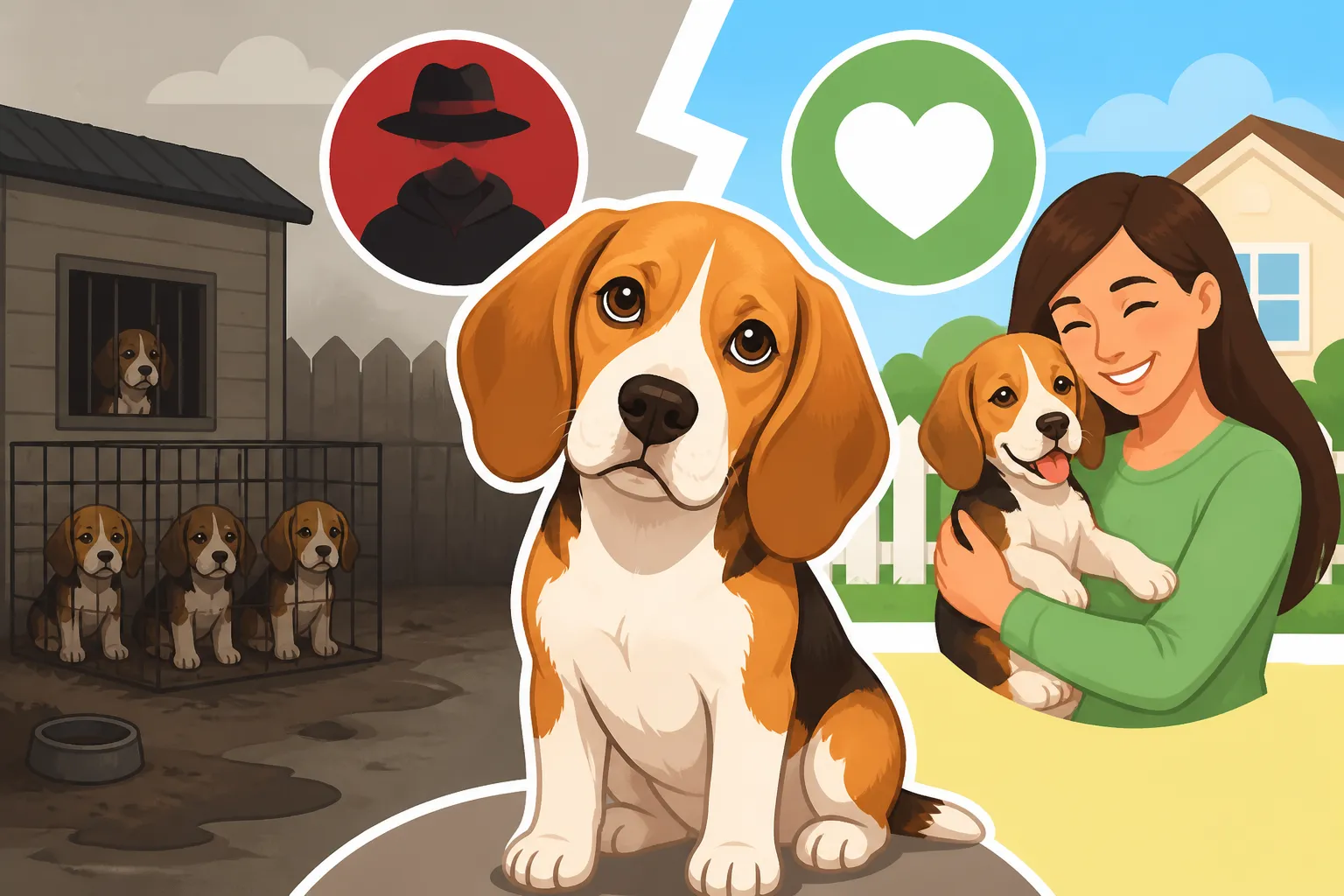
A backyard breeder usually isn't in it to better the breed or produce the healthiest, most temperamentally sound puppies possible. Their primary motivation might be to make some extra cash, or simply to experience puppies without fully understanding the genetic, health, and behavioral complexities involved. You might see ads on online marketplaces, local classifieds, or social media groups. These breeders typically don't belong to breed clubs, don't show their dogs, and don't engage in formalized health testing. They often don't have extensive waiting lists because their production model is more opportunistic.
Why Their Prices Are So Much Lower
The lower price point for a Beagle from a backyard breeder isn't a sign of charity; it's a reflection of significantly reduced overhead. A reputable breeder spends thousands of dollars on health clearances for both parent dogs, ensuring they don't pass on genetic diseases like hip dysplasia, certain eye conditions, or even more breed-specific issues like Musladin-Lueke Syndrome. They invest in high-quality nutrition for the pregnant mother and puppies, provide extensive early socialization, proper vet care for the litter (deworming, initial vaccinations), and often maintain facilities. Backyard breeders skip most, if not all, of these crucial steps. They might not even know about the specific health tests recommended for Beagles, leading to puppies that appear healthy at eight weeks but carry hidden predispositions to costly problems down the line.
The Hidden Financial and Emotional Costs of a Cheap Beagle
That initial "bargain" price for a Beagle puppy can quickly dissolve when you start facing the inevitable consequences of poor breeding practices. What you save upfront, you often pay back tenfold (or more) in veterinary bills, training costs, and emotional distress. It's a classic case of paying for it one way or another, and often, the "other way" is far more painful.
Veterinary Bills for Undiagnosed Conditions
One of the most significant risks with a backyard-bred Beagle is the lack of proper health screening for the parent dogs. This means you might be bringing home a puppy predisposed to a range of genetic health issues that could have been avoided. Imagine getting your adorable Beagle puppy, only to find out at six months old that they're experiencing seizures, a common issue in the breed. Idiopathic Epilepsy in Beagles From Six Months to Six Years can be a heartbreaking diagnosis, and managing it with lifelong medication can cost hundreds, even thousands, of dollars a year.
Or perhaps your Beagle develops hip issues far too young. While Beagle Hip Dysplasia and Everyday Joint Wear can occur in any breed, responsible breeders screen their dogs to minimize the risk, which backyard breeders typically don't do. Treating hip dysplasia, even in its early stages, can involve pain management, physical therapy, and potentially expensive surgeries. These unexpected medical costs are a huge reason why many owners opt for pet insurance, but even then, conditions diagnosed before the policy takes effect are often considered pre-existing and won't be covered by providers like Healthy Paws.
Behavioral Challenges Stemming from Poor Start
Beyond physical health, the temperament and behavior of a backyard-bred Beagle can also present substantial challenges. Reputable breeders dedicate immense effort to early socialization, exposing puppies to various sights, sounds, people, and other animals. They ensure the puppies have a stable, enriching environment. Backyard breeders often keep puppies in less-than-ideal conditions, with minimal human interaction or exposure to the world outside their immediate enclosure. This can lead to issues like intense separation anxiety, excessive howling, fearfulness, or difficulty with house training.
A Beagle separation anxiety in a pack breed is already a common concern, but it can be severely exacerbated by a poor start. Investing in professional training, behavioral modification programs, and even specialized enrichment toys from retailers like Chewy becomes essential, adding to your overall expenditure. It’s not just about the money; it's about the time, effort, and emotional toll these challenges can take on a family trying to help their dog adjust.
Long-Term Expenses That Add Up
It's easy to focus on the initial price, but owning a Beagle is a long-term commitment. The lifetime bill for a Beagle that reaches fifteen can be substantial, and those bills often climb higher for dogs with genetic predispositions or behavioral problems. Even basic care, like quality food, can become an added expense if your Beagle develops sensitivities or allergies requiring a specialized diet, perhaps even a fresh food option like Ollie, which can cost more than standard kibble. Everything from chronic ear infections, common under those long ears, to skin allergies can lead to repeated vet visits and expensive treatments that chip away at your budget.
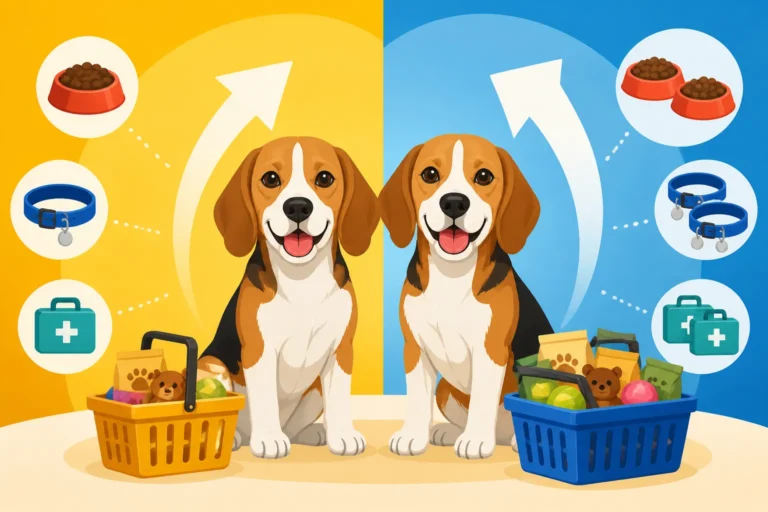
Here’s a simplified breakdown of how costs can diverge:
| Feature | Reputable Breeder Beagle | Backyard Breeder Beagle |
|---|---|---|
| Initial Price | Higher (often $1,000 – $2,500+) | Lower (often $300 – $800) |
| Health Testing | Extensive genetic screening of parents | Little to none |
| Health Guarantee | Typically offers a written health guarantee (1-2 years) | Rarely, or very limited |
| Early Socialization | Comprehensive, diverse exposure | Often minimal, limited environment |
| Parent's Temperament | Carefully selected for good traits | Unknown or not prioritized |
| Lifetime Vet Costs | Generally lower due to reduced genetic risks | Potentially much higher due to inherited conditions |
| Behavioral Training | Easier to train due to good foundation | May require extensive, costly behavioral intervention |
| Breeder Support | Ongoing support and guidance for life of the dog | Little to no support after sale |
| Overall Value | Higher upfront, lower long-term risk and stress | Lower upfront, higher long-term risk, cost, and stress |
What a Reputable Breeder Offers for a Higher Price
When you look at Beagle Puppy Prices From $1,000 to $1,500 or even higher, it's not just a random number. That price reflects a significant investment in the health, temperament, and future well-being of the puppies. A reputable breeder sees themselves as a steward of the breed, striving to produce healthy, happy Beagles that will be wonderful companions for their entire lifespan and the twelve to fifteen year range they are known for.
Extensive Health Clearances and Genetic Testing
The cornerstone of responsible breeding is health testing. Before ever considering breeding two Beagles, a reputable breeder will put their dogs through a battery of health clearances. This isn't just a basic vet check; it involves specific tests for conditions prevalent in the Beagle breed. This includes evaluations for hips, eyes, and genetic tests for conditions like Musladin-Lueke Syndrome and the Beagle DNA Test, which is often a requirement under organizations like the Orthopedic Foundation for Animals (OFA) through their CHIC program, as highlighted in Beagle Health Testing Under CHIC. By screening parents, they drastically reduce the likelihood that their puppies will inherit debilitating and expensive diseases. This foresight saves you potential heartache and significant veterinary bills down the road. They'll readily share these results and explain what they mean, offering transparency that backyard breeders simply cannot.
Lifelong Support and a Strong Foundation
A reputable breeder doesn't just sell you a puppy and disappear. They view themselves as a lifelong resource. They'll be there to answer your questions, offer advice on everything from diet to training, and often require you to return the dog to them if, for any reason, you can no longer care for it. This commitment ensures that their Beagles never end up in shelters. They also invest heavily in the puppies' early lives, providing a stimulating environment, starting house training, and initiating crucial socialization during those critical first weeks. This early start gives your Beagle puppy a huge advantage, making the transition to your home smoother and laying a solid foundation for future training. You might ask What to Ask a Beagle Breeder About Genetics to ensure you are selecting a truly responsible source.
Ethical Practices and Breed Preservation
Beyond the individual puppy, reputable breeders are dedicated to the preservation and improvement of the Beagle breed itself. They study pedigrees, understand genetics, and carefully select breeding pairs to enhance desirable traits and minimize health risks. They often participate in dog shows, performance events, or field trials to prove the quality and abilities of their Beagles, showcasing that their dogs meet breed standards for both conformation and temperament. This dedication to ethical breeding practices is what distinguishes them from backyard breeders and justifies the higher initial investment. When you buy from such a breeder, you're not just getting a puppy; you're gaining access to a wealth of knowledge and a commitment to quality that will benefit you and your Beagle for years to come.
How to Find a Healthy, Well-Adjusted Beagle
So, how do you navigate the often-confusing world of puppy searching to ensure you bring home a healthy, well-adjusted Beagle? The key is thorough research, patience, and a clear understanding of what constitutes a responsible breeder versus a backyard operation. Don't let the allure of a low price blind you to potential future problems.
Research Reputable Breeders Thoroughly
Start by looking for breeders who are members of the National Beagle Club of America or local Beagle clubs. These organizations typically have ethical guidelines and recommended health testing protocols that their members are expected to follow. Attend local dog shows or events where Beagles are present; this is a fantastic way to meet breeders in person, observe their dogs, and ask questions. A good breeder will be happy to talk with you, answer all your inquiries, and even ask you plenty of questions to ensure their puppy is going to a good home. They should be transparent about their breeding practices, health testing results, and the health and temperament of their parent dogs. Look for breeders who offer a comprehensive contract and a health guarantee, which is a strong indicator of their confidence in their puppies' health. If you see Red Flags in a Cheap Beagle Listing, walk away.
Consider Reputable Beagle Rescues
If the cost from a reputable breeder is genuinely out of your budget, or if you simply prefer to give an older dog a second chance, consider adopting a Beagle from a breed-specific rescue organization. Beagle rescue groups across the country work tirelessly to rehome Beagles who, for various reasons, need new families. These dogs often come with their initial vet care, spay/neuter surgery, and sometimes even microchipping and registry fees already taken care of. While you might not get a puppy, you'll be giving a loving home to a dog who truly needs one, and the adoption fees are significantly less than buying from even a backyard breeder. Plus, many rescues have a deep understanding of Beagle temperament and can help match you with a dog that fits your lifestyle.
Be Prepared for the Wait and the Investment
Bringing a well-bred Beagle into your life is an investment, not just financially, but in time and commitment. Reputable breeders often have waiting lists, sometimes extending for months or even a year. This isn't a bad thing; it means they are careful with their breeding program and prioritize finding the right homes. Be prepared to fill out extensive applications, provide references, and potentially undergo a home visit. This might seem like a lot of hoops to jump through, but it's all part of the process a responsible breeder uses to ensure their puppies thrive. Remember, the true cost of a Beagle isn't just the purchase price, but the ongoing commitment to their health, happiness, and training for their entire life.
Disclaimer
The information provided in this article is for general informational purposes only and is not a substitute for professional veterinary advice. Always consult with a qualified veterinarian or animal health professional for any health concerns or before making any decisions related to your pet's care.