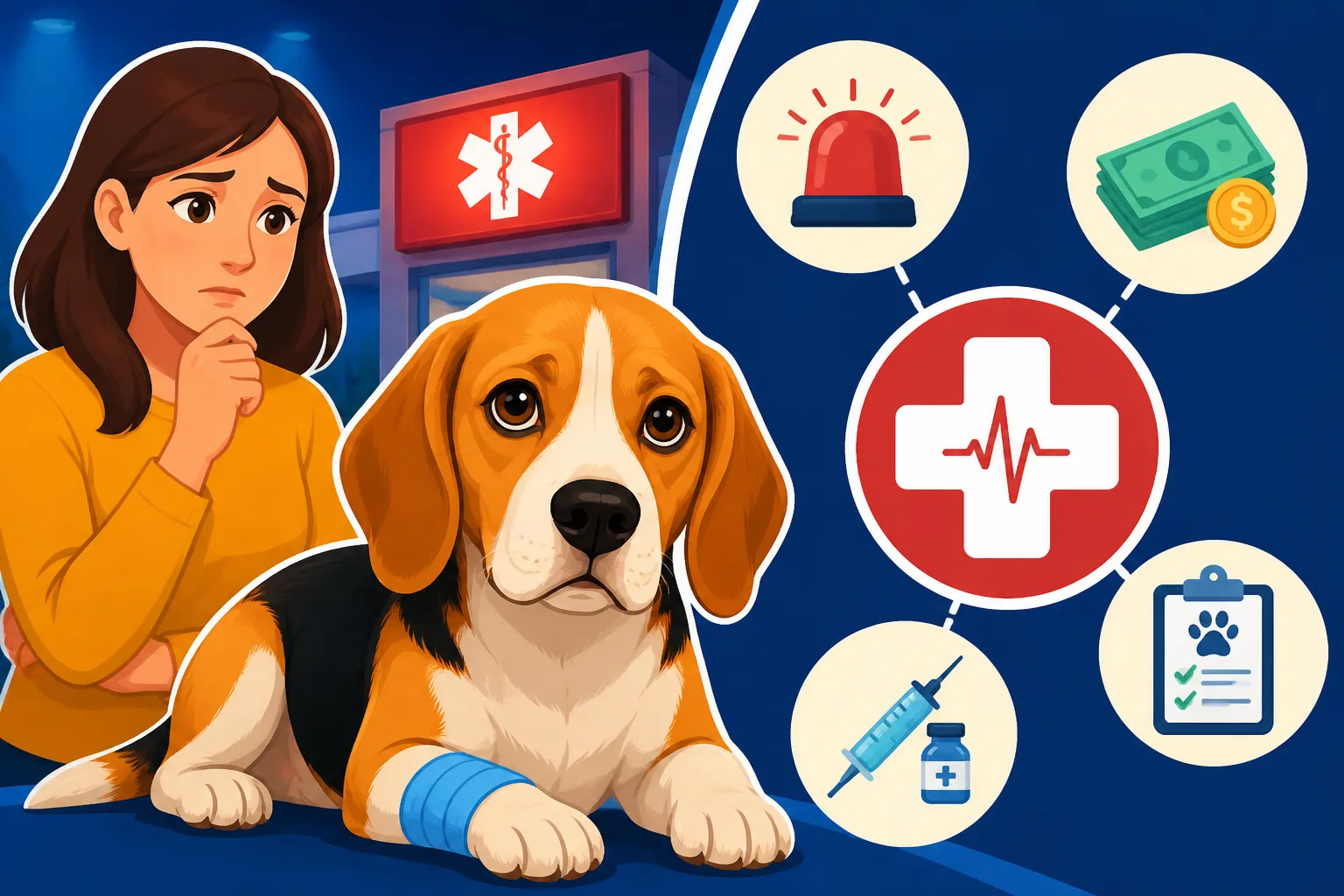
Emergency Vet Costs Every Beagle Owner Should Expect
It’s a thought no Beagle owner wants to entertain, but the reality is that sooner or later, many of us will face an urgent trip to the emergency vet. That sudden panic when your lively, scent-driven companion is suddenly lethargic, seizing, or has gotten into something they absolutely shouldn’t have, can be overwhelming. Beyond the immediate fear for their well-being, the looming question of cost adds another layer of stress. This guide aims to pull back the curtain on the potential emergency vet costs you might encounter with your beloved Beagle, helping you understand what to expect and, more importantly, how to prepare.
The Inevitable Truth About Beagle Emergencies
Owning a Beagle is an absolute joy, filled with boundless energy, comical antics, and that endearing, soulful gaze. But alongside that joy comes the responsibility of their care, which sometimes means navigating unexpected health crises. The nature of the Beagle breed, combined with their zest for life and insatiable curiosity, can unfortunately make them prone to certain situations that land them in the emergency room. It’s not a matter of if, but often when, you might face such a challenge.
Why Beagles Are Prone to Certain Emergencies
Beagles, with their incredible noses and intelligence, often find themselves in situations that other breeds might avoid. Their scent drive is so powerful that it can override almost everything else, leading them into trouble. They are renowned for their ability to sniff out and ingest things that are decidedly not food, from discarded chicken bones on a walk to toxic chemicals in a garage. Their low-slung bodies and long, floppy ears also come with their own set of vulnerabilities. While they are generally a robust breed, they do have certain predispositions to health issues that can, at times, manifest as an emergency.
Consider the classic Beagle scenario: nose to the ground, absolutely oblivious to the world around them, suddenly bolting after a scent. This unwavering focus can lead them directly into traffic if not properly secured, or cause them to consume something truly dangerous before you can intervene. Their inherent "merry" disposition also means they can be quite playful and sometimes a little reckless, leading to tumbles or sprains that require immediate attention. Furthermore, while Beagles have a relatively long lifespan of 12 to 15 years, they are susceptible to conditions like Intervertebral Disc Disease (IVDD) and epilepsy, both of which can lead to urgent veterinary visits, especially when symptoms first appear or suddenly worsen.
The Shock of a Sudden Veterinary Bill
There’s a stark difference between budgeting for your Beagle’s annual check-up, vaccines, and parasite prevention, and being hit with a bill for several thousand dollars for an emergency surgery. The financial stress can be immense, often compounding the emotional turmoil of seeing your furry family member in distress. Many owners report feeling trapped, having to make difficult decisions under pressure, wondering if they can truly afford the best possible care. This isn't just a hypothetical concern; it's a very real scenario that plays out in veterinary emergency clinics across the country every single day.
When you walk into an emergency clinic, the prices for diagnostics and treatments are typically higher than your regular vet because of the specialized equipment, 24/7 staffing, and immediate availability of services. A basic emergency exam might cost a couple of hundred dollars, but that's just the tip of the iceberg. If your Beagle needs X-rays, blood work, IV fluids, or an overnight stay, the costs can quickly climb into the hundreds or even thousands. For more complex issues like emergency surgery, you could be looking at bills upwards of $5,000 to $10,000. This sudden, unbudgeted expense can throw anyone for a loop, and knowing what kind of costs you might face can help you start building a plan, even if it's just a mental one, before that stressful moment arrives.
Common Beagle Emergency Scenarios and Their Costs
Beagles, bless their curious hearts, have a knack for getting into predicaments. Their powerful noses and scavenging instincts mean they often encounter things in the environment that can quickly turn into an emergency. Understanding these common scenarios and their potential financial implications can help you prepare.
Ingested Toxins or Foreign Objects
This is perhaps one of the most frequent reasons Beagles end up at the emergency vet. Their incredible sense of smell and their tendency to vacuum up anything remotely edible means they often ingest harmful substances or objects.
Consider the Beagle who sniffs out and eats a bar of chocolate left on a coffee table, a common and dangerous toxin. Or the one who finds rat poison in a neighbor's yard, a truly life-threatening situation requiring immediate intervention. Beyond poisons, Beagles are notorious for swallowing non-food items, such as socks, small toys, corn cobs, or even parts of their bedding. These items can cause gastrointestinal obstructions, a medical emergency that can rapidly become critical. The first signs might be repeated vomiting, loss of appetite, lethargy, or abdominal pain.
When you arrive at the emergency clinic, the vet will likely start with a thorough exam, followed by diagnostic tests. This usually includes blood work to assess organ function and X-rays to look for foreign objects or signs of obstruction. If the object is recent and non-sharp, the vet might induce vomiting using medication. Activated charcoal might be given to absorb toxins. However, if the object is lodged, too large to pass, or sharp, surgical intervention becomes necessary. Costs can vary wildly: induced vomiting and supportive care might be in the $500-$1,500 range, while a full-blown exploratory surgery to remove a foreign object could easily run from $3,000 to $6,000 or more, especially if complications arise or extensive hospitalization is required. Having a well-stocked pet first-aid kit, perhaps with items purchased conveniently from a retailer like Chewy, can be helpful for minor issues, but remember, for suspected poisoning or obstruction, the vet is always the first call.
Traumatic Injuries from Accidents
Despite their sturdy build, Beagles are not immune to accidents. Their propensity for following a scent with tunnel vision means they can easily run into danger, especially if off-leash or if a fence has a weak spot. A common scenario is a Beagle darting out an open gate and being hit by a car. Even a seemingly minor impact can cause significant internal injuries that aren't immediately visible.
Other traumatic injuries can stem from falls, like jumping off a high bed or couch, leading to sprains, strains, or even fractures. Dog fights, while hopefully rare, can also result in deep puncture wounds, lacerations, or even broken bones. The signs of a traumatic injury might include limping, severe pain, bleeding, swelling, or difficulty breathing.
Upon arrival at the emergency vet, a full physical exam will be conducted, often with a focus on pain assessment and stabilization. Diagnostics could include X-rays to check for fractures or internal bleeding, ultrasound to assess organ damage, and comprehensive blood work. Treatment varies widely based on the injury: simple wound care and pain medication might be a few hundred dollars, but complex fractures requiring orthopedic surgery, internal bleeding, or severe lacerations needing extensive stitching and hospitalization can quickly escalate into the $1,000 to $10,000+ range. This includes the surgeon's fees, anesthesia, post-operative care, and any necessary rehabilitation. Preparing for the financial implications of such events, particularly those that happen suddenly, is crucial.
Sudden Onset Illnesses
Sometimes, an emergency isn't due to an accident or ingestion, but a sudden, severe illness that appears without warning. Beagles, like all dogs, can experience acute medical conditions that necessitate immediate veterinary attention.
Take, for example, a Beagle suddenly developing severe, relentless vomiting and diarrhea. While it could be a simple "dietary indiscretion" (eating something they shouldn't have), it could also signal something much more serious like acute pancreatitis, a severe bacterial infection, or even parvovirus in unvaccinated puppies. Another terrifying, though thankfully rare, emergency in Beagles is Gastric Dilatation-Volvulus (GDV), commonly known as bloat, where the stomach fills with gas and twists. This is a rapidly fatal condition if not treated with emergency surgery. Sudden collapse, severe lethargy, or a sudden, severe allergic reaction are other scenarios.
At the emergency clinic, the vet will perform an urgent physical exam and likely recommend a series of diagnostic tests, including blood tests (complete blood count, chemistry panel, electrolyte levels), fecal tests, and possibly abdominal X-rays or ultrasound. Treatment plans are tailored to the diagnosis but can involve IV fluid therapy to combat dehydration, antibiotics for infections, anti-nausea medications, pain relief, and intensive monitoring. For something like bloat, immediate surgery is the only option. Costs can range from a few hundred dollars for supportive care for mild gastroenteritis to several thousand dollars for conditions requiring extensive hospitalization, specialist care, or emergency surgery. A stay for a couple of days with IV fluids, medications, and monitoring can easily exceed $1,500. While not an emergency solution, some owners choose premium dog food brands like Ollie as part of a preventative health strategy, hoping to reduce the likelihood of diet-related digestive upsets, but emergencies can still strike even the healthiest pups.
Beagle-Specific Emergencies and Their Financial Impact
While Beagles are generally healthy, they do have certain predispositions that can lead to emergency situations. Knowing these breed-specific risks can help you understand why certain costs might arise.
Seizures and Status Epilepticus
Beagles are one of the breeds known to be susceptible to epilepsy, a neurological disorder characterized by recurrent seizures. For many Beagles, the first seizure often occurs between six months and six years of age, a common window for idiopathic epilepsy in Beagles from six months to six years. Witnessing your Beagle have a seizure can be incredibly frightening. They might collapse, paddle their legs, drool excessively, and lose bowel or bladder control. While a single, short seizure (lasting less than 5 minutes) might not always warrant an immediate emergency visit if the dog recovers quickly and is otherwise normal, a prolonged seizure (over 5 minutes) or cluster seizures (multiple seizures within 24 hours) constitutes a medical emergency known as status epilepticus. If you've ever wondered what a Beagle seizure actually looks like, it's a truly distressing sight that signals an urgent need for veterinary care.
In an emergency setting for a seizure, the primary goal is to stop the seizure activity and stabilize your Beagle. The vet will perform a neurological exam and blood tests to rule out other causes for the seizure, such as toxin ingestion, liver shunt, kidney disease, or low blood sugar. Your Beagle will likely receive intravenous anticonvulsant medications (like diazepam or midazolam) to stop the seizure, followed by ongoing anti-seizure medication if needed. They will also receive IV fluids and monitoring. Initial stabilization for a single, severe seizure can range from $500 to $1,500. If your Beagle is in status epilepticus and requires extended hospitalization, continuous IV medication, and intensive monitoring, the costs can quickly climb to $2,000-$3,000 or more for a single emergency event. Keeping a seizure diary for your Beagle is crucial for long-term management, but in the heat of the moment, knowing what to do while a Beagle is seizing is paramount to their safety.
Intervertebral Disc Disease IVDD Flares
Beagles have that classic slightly longer back, and this conformation makes them more susceptible to Intervertebral Disc Disease (IVDD). This condition occurs when the shock-absorbing discs between the vertebrae in the spine either bulge or rupture, pressing on the spinal cord. While IVDD can progress slowly, it often presents as a sudden, acute emergency. You might notice your Beagle suddenly refusing to jump, crying out in pain, holding their head low, exhibiting hind leg weakness, or even complete paralysis. These can be early Beagle disc signs long before paralysis sets in, but they often appear with alarming speed.
An emergency vet visit for a suspected IVDD flare will typically involve a thorough neurological examination to pinpoint the location of the disc injury and assess the severity of spinal cord compression. The vet will likely prescribe strong pain medication and anti-inflammatory drugs. In some cases, strict crate rest for a Beagle with a disc injury might be recommended as conservative management, which can still incur initial diagnostic and medication costs of $500-$1,500. However, if the neurological deficits are severe or rapidly worsening, an MRI to confirm the diagnosis and determine the extent of the damage is often necessary, followed by emergency surgery. A Beagle disc surgery and the odds of recovery can be good, but it is a major procedure. An MRI can cost $2,000-$4,000 on its own, and the subsequent surgery, including hospitalization and post-operative care, can range from $5,000 to well over $10,000, depending on the specialist and facility. Rehabilitation therapy may follow, adding further costs. Understanding Beagle back problems and Intervertebral Disc Disease is critical for owners.
Acute Allergic Reactions Anaphylaxis
While not exclusive to Beagles, acute allergic reactions, including anaphylaxis, can be a serious emergency for any dog. Beagles, with their outdoor adventures and curious noses, are often exposed to insect stings (bees, wasps) or can have adverse reactions to vaccinations or certain foods. Anaphylaxis is a severe, rapid-onset allergic reaction that can affect multiple body systems and be life-threatening.
Signs of an acute allergic reaction can range from mild, such as hives (urticaria) and facial swelling (especially around the muzzle and eyes, which can appear quite dramatic), to severe, including difficulty breathing, vomiting, diarrhea, sudden collapse, or even shock. The severity of the reaction often dictates the urgency of the vet visit. A Beagle with severe facial swelling and breathing difficulties needs immediate emergency care.
At the emergency clinic, treatment focuses on stabilizing your Beagle and counteracting the allergic response. This typically involves administering antihistamines (like diphenhydramine), corticosteroids to reduce inflammation, and sometimes epinephrine for severe anaphylactic shock. IV fluids might be given to support blood pressure, and oxygen therapy if there's difficulty breathing. Your Beagle will be closely monitored for improvement. The cost for treating an acute allergic reaction can range from $200 for a straightforward case with medication to $1,500 or more if severe anaphylaxis requires extensive monitoring, multiple medications, and a longer stay at the clinic. Prompt action can make a huge difference in the outcome and, consequently, the cost.
Understanding the Components of an Emergency Bill
When you receive an emergency vet bill, it can feel like a labyrinth of charges. It’s not just one big number; it’s a breakdown of all the services, medications, and care your Beagle received during a critical time. Knowing what these components are can help you understand where your money is going and allow you to ask informed questions, even under duress.
Diagnostic Tests and Imaging
One of the largest portions of an emergency vet bill will often come from diagnostic tests and imaging. When your Beagle arrives in crisis, the veterinary team needs to quickly and accurately determine what's happening internally to provide effective treatment.
Blood work is almost always among the first steps. This includes a Complete Blood Count (CBC) to check for infection, anemia, or inflammation, and a Chemistry Panel to assess organ function (kidneys, liver, pancreas) and electrolyte balance. These panels, especially when run STAT (immediately) in an emergency lab, can cost a few hundred dollars. Urinalysis, fecal tests, and specific tests for toxins might also be performed depending on the suspected issue. Beyond blood, imaging is crucial. X-rays are common for suspected foreign bodies, fractures, or internal organ changes; multiple views and interpretations can range from $200-$500 or more. For more complex issues, an abdominal ultrasound to get a dynamic view of internal organs or an MRI/CT scan for neurological problems (like a severe disc injury) can be necessary. An MRI or CT scan can easily add $2,000-$4,000 to your bill, as these require specialized equipment, anesthesia, and interpretation by a board-certified radiologist. The cost reflects the technology, the expertise, and the urgency with which these vital clues are gathered to save your Beagle's life.
Treatment, Medications, and Hospitalization
Once a diagnosis or a working plan is established, the treatment phase begins, and this is where the bulk of the emergency bill often lies. It encompasses everything from the physical interventions to the ongoing care and support your Beagle receives.
Your Beagle might need IV fluids to correct dehydration, support organ function, or administer medications. The cost of IV fluids, catheters, and the pump itself will be on the bill, often charged per bag or per day. Pain medications, anti-inflammatories, antibiotics, anti-nausea drugs, or anti-seizure medications will all be added, often at a higher cost than what you'd pay at a regular pharmacy due to the emergency nature and immediate availability. Procedures like wound cleaning, bandaging, or even oxygen therapy for Beagles with breathing difficulties contribute to the total. If surgery is required, such as for a foreign body removal or IVDD, the cost includes the surgeon's fee, anesthesia (and the dedicated veterinary technician monitoring anesthesia), sterile supplies, and operating room time. These surgical costs alone can range from $3,000 to well over $10,000, not including the initial diagnostics.
Furthermore, hospitalization fees can accumulate quickly. Emergency clinics are staffed 24/7, with veterinary technicians monitoring your Beagle's vital signs, administering medications, and providing comfort around the clock. These fees are usually charged per day or per 12-hour period and include the use of the facility, the staff’s constant attention, and any necessary equipment like heating pads, specialized cages, or monitoring devices. A typical overnight stay could range from $300-$1,000, escalating rapidly for intensive care or multi-day stays. It's a comprehensive cost that reflects the high level of care and constant readiness required for emergency veterinary services.
Preparing for the Financial Hit: Options for Beagle Owners
Facing a veterinary emergency is stressful enough without the added burden of worrying about how you’re going to pay for it. Thankfully, there are several proactive steps Beagle owners can take to mitigate the financial impact of unexpected health crises. Being prepared can make all the difference when your beloved companion needs urgent care.
Pet Insurance as a Lifeline
One of the most effective ways to manage the high costs of emergency veterinary care is pet insurance. It works much like human health insurance, where you pay a monthly premium, and in return, the insurance company reimburses you for a percentage of eligible veterinary expenses after you meet a deductible. The key is to enroll your Beagle before any health issues arise, as pre-existing conditions are typically not covered. This means insuring a Beagle before an epilepsy diagnosis or before any signs of back problems appear.
For example, if your Beagle suddenly has a severe seizure requiring a $2,000 emergency visit, and you have a plan with a $250 deductible and 90% reimbursement, you would pay the first $250, and then the insurance would cover 90% of the remaining $1,750 ($1,575). Your out-of-pocket would be $425 instead of $2,000. Many popular providers like Healthy Paws offer comprehensive plans that cover accidents, illnesses, surgeries, emergency care, hospitalization, and diagnostic tests. It’s worth researching what a Beagle pet insurance and what it runs a month, as premiums can vary based on your location, your Beagle's age, and the plan you choose. It's also important to understand that if a Beagle epilepsy is counted as a pre-existing condition, related emergency care won't be covered, highlighting the importance of early enrollment. Pet insurance truly can be a financial lifeline when the unexpected happens, allowing you to focus on your Beagle's recovery rather than the bill.
Building an Emergency Fund
While pet insurance is fantastic, it doesn't cover everything, often has deductibles, and typically requires you to pay upfront before reimbursement. This is where a dedicated emergency fund for your Beagle becomes invaluable. Think of it as your immediate cash reserve for those unforeseen veterinary expenses.
How much should you aim for? Most financial experts recommend having at least $2,000 to $5,000 set aside specifically for pet emergencies. This amount can cover many common emergency situations, from ingested foreign objects to initial stabilization for a sudden illness. You might start by setting up an automatic transfer of a small amount, say $25-$50, from your checking account to a separate savings account each payday. Over time, these small, consistent contributions will add up. Having these funds readily available means you can authorize necessary treatments without delay, knowing you have the means to cover the costs, at least initially. This peace of mind is priceless when your Beagle's health is on the line. Creating a Beagle emergency funds worth building is a responsible and caring step for any owner.
Other Financial Options
Even with pet insurance and an emergency fund, sometimes the costs can still exceed your immediate resources. In such cases, it's helpful to know about other financial options available.
One widely used option is CareCredit, a healthcare credit card that offers promotional financing options, often with deferred interest if the balance is paid within a specified period (e.g., 6 or 12 months). Many veterinary clinics accept CareCredit, and you can apply quickly for immediate approval. It's essentially a line of credit for medical expenses, designed to help bridge the gap. Additionally, some veterinary clinics might offer in-house payment plans for non-emergency situations or after initial stabilization, though this is less common for large emergency bills. It's always worth asking if they have any options, though clinics typically require payment at the time of service for emergencies. In desperate situations, breed-specific Beagle rescue groups or animal welfare organizations sometimes offer financial assistance or grants, but these are usually for severe cases and have specific eligibility requirements. Crowdfunding platforms can also be an option for rallying support from friends, family, and online communities during a major crisis, though success isn't guaranteed. Having these options in your back pocket can provide crucial flexibility during a financially challenging time.
Navigating an Emergency Vet Visit
When your Beagle needs emergency care, the experience can be intense and disorienting. Knowing what to expect when you arrive at the emergency clinic and how to communicate effectively with the veterinary staff can help you feel more in control and ensure your Beagle receives the best possible care.
What to Expect at the Emergency Clinic
Emergency veterinary clinics operate differently from your regular vet's office. Their priority is triage, meaning they assess all incoming patients and treat the most critical ones first, regardless of arrival order. This can be challenging if your Beagle appears distressed but isn't immediately life-threatening, as you might experience a wait.
Upon arrival, a veterinary technician or vet assistant will likely conduct a rapid assessment of your Beagle's condition, checking vital signs and asking about the chief complaint. This initial assessment helps them determine the urgency. If your Beagle is critical (e.g., struggling to breathe, actively seizing, unconscious, severe bleeding), they will be taken to the treatment area immediately for stabilization. For less critical but still urgent cases, you'll be asked to complete paperwork, and then your Beagle will be examined by an emergency veterinarian. They will discuss their initial findings, recommend diagnostic tests (like blood work or X-rays), and provide an estimate for the initial phase of care. It's important to understand that these estimates are often ranges and can change as more information becomes available or if complications arise. You will need to sign consent forms for diagnostics and treatment, so try to remain calm and ask questions if anything is unclear.
Communicating Effectively with the Vet Staff
In a high-stress situation, effective communication is paramount. The more clearly and concisely you can convey information, the better the veterinary team can help your Beagle.
Start by providing a clear and detailed history of your Beagle's symptoms. When did they start? What exactly did you observe? Has anything like this happened before? What medications is your Beagle currently on (if any)? If your Beagle ingested something, what was it, how much, and when did it happen? Bring any packaging or labels if possible. The vet will explain their findings, potential diagnoses, and recommended treatments. This is your opportunity to ask questions. Don't be afraid to inquire about the prognosis, the likelihood of success for a particular treatment, and most importantly, the costs involved. Ask for a detailed estimate and clarification on what is included. If there are multiple treatment options, ask about the pros and cons of each, including their respective costs and outcomes. For instance, if surgery for a disc injury is recommended, ask about conservative management as an alternative, understanding the different recovery times and success rates, and the full range of a Beagle disc surgery and the odds of recovery. Remember, you are your Beagle's advocate, and clear communication ensures you can make informed decisions about their care, even under duress.
Preventative Measures to Reduce Emergency Risks
While some emergencies are unavoidable, many can be prevented or their severity mitigated through diligent care and a proactive approach. As Beagle owners, we can take specific steps to minimize the chances of our curious, food-motivated companions ending up in an emergency situation.
Beagle-Proofing Your Home and Yard
Beagles are masters of sniffing out trouble, so making your environment as safe as possible is step one in prevention. Their incredible noses mean that if there’s a way to get to something intriguing, they will find it.
Indoors, this means securing all trash cans with heavy lids or placing them in a locked cabinet. Medications, cleaning supplies, and human foods toxic to dogs (like chocolate, grapes, onions, and xylitol-containing products) must be kept out of reach and ideally behind closed doors. Even seemingly innocuous items like socks, underwear, or children's toys can become dangerous foreign objects if swallowed. Consider a high-quality, sturdy crate for times when you cannot directly supervise your Beagle, especially during puppyhood when chewing is prevalent. In the yard, fencing is critical. Beagles are known escape artists, so a secure fence that they cannot dig under or jump over is essential. Many Beagle owners find that a fence height that actually holds a Beagle needs to be at least 6 feet, and often requires a "dig skirt" or buried wire along the bottom to prevent tunneling. Even the most secure fence should be regularly checked for weak spots or gaps that a determined Beagle might exploit. Always remember to check for toxic plants in your garden, as many common landscaping plants can be harmful if ingested. Ensuring a secure environment dramatically reduces the risk of accidental ingestions or escapes that could lead to traumatic injuries. Read more about fencing a yard that a Beagle cannot escape to ensure your setup is truly Beagle-proof.
Regular Veterinary Check-ups and Preventative Care
Consistent, routine veterinary care is crucial for catching potential health issues early, often before they escalate into emergencies. Your regular vet is your first line of defense in keeping your Beagle healthy and reducing the likelihood of urgent care visits.
Annual (or bi-annual for seniors) check-ups allow your vet to perform a thorough physical examination, listen to your Beagle's heart and lungs, palpate their abdomen, and check their joints and teeth. This regular monitoring can help detect conditions like Beagle heart disease and murmurs early, or identify the beginnings of a problem like Beagle dental disease and tartar buildup before it becomes severe and requires extensive, potentially emergency, intervention. Maintaining a healthy weight is another critical preventative measure. Beagles love to eat, and it’s easy for them to become overweight. Beagle obesity treated as a health problem can prevent a cascade of other issues, including increased pressure on their spine, which exacerbates the risk of IVDD, and makes them more prone to conditions like diabetes. Your vet can help you establish a feeding plan and exercise routine to keep your Beagle lean and active. Additionally, keeping up with vaccinations, year-round parasite prevention (fleas, ticks, heartworm), and proper ear care (considering Beagle ear infections under those long ears are common) all play a vital role in preventing severe illnesses and infections that could otherwise lead to an emergency trip to the clinic. Proactive care is truly the best defense against unexpected health crises.
| Emergency Scenario | Typical Cost Range (USD) | Common Contributing Factors for Beagles |
|---|---|---|
| Toxin Ingestion | $500 – $6,000+ | High food drive, scavenging, curious nose, unsecured items |
| Foreign Body Obstruction | $1,500 – $8,000+ | Ingestion of socks, toys, corn cobs; "vacuum cleaner" eating habit |
| Traumatic Injury | $1,000 – $10,000+ | Escaping yard, car accidents, falls from furniture, dog fights |
| Severe Gastroenteritis | $300 – $2,500+ | Dietary indiscretion, eating spoiled food, sudden diet changes |
| Seizure (Initial Stabilization) | $500 – $3,000+ | Idiopathic Epilepsy, underlying medical conditions, toxin exposure |
| IVDD Flare (Conservative) | $500 – $1,500+ | Breed predisposition, jumping, sudden movements |
| IVDD Flare (Surgery) | $5,000 – $10,000+ | Breed predisposition, severe spinal compression |
| Acute Allergic Reaction | $200 – $1,500+ | Insect stings, vaccine reactions, environmental allergens |
Disclaimer
The information provided in this guide is for general educational purposes only and should not be considered a substitute for professional veterinary advice. Emergency veterinary costs are estimates and can vary significantly based on location, clinic, the severity of the condition, and the specific treatments required. Always consult with a qualified veterinarian for any health concerns or before making decisions about your Beagle's medical care.