Beagle Disc Disease and That Slightly Long Back
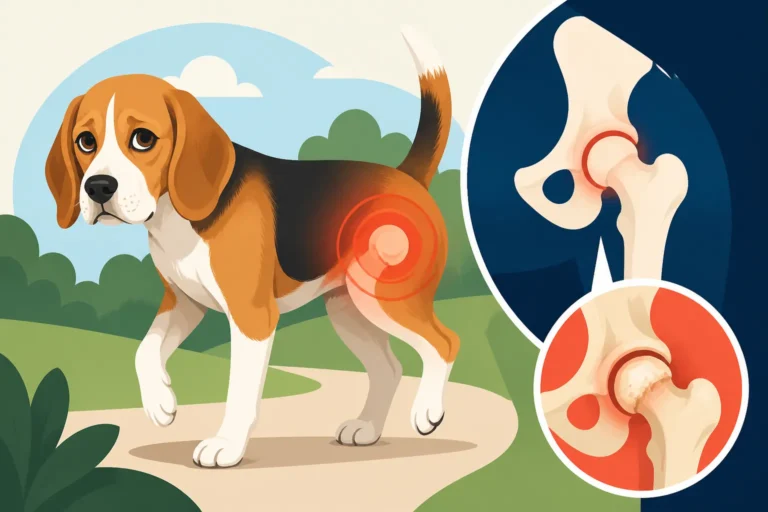
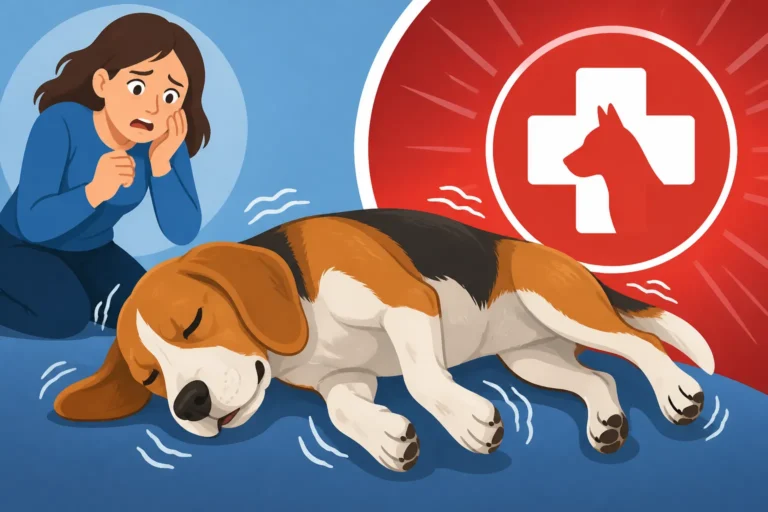
It’s a heartbreaking sight to see your normally active, happy Beagle suddenly reluctant to move, crying out in pain, or even dragging their back legs. This terrifying experience is often the first, stark introduction to a common and serious condition in our beloved Beagles: intervertebral disc disease, or IVDD. While their cheerful, stocky build might seem robust, that slightly elongated back, a hallmark of their breed, also carries a hidden vulnerability. This guide will walk you through understanding IVDD, recognizing its subtle and severe signs, navigating diagnosis and treatment, and most importantly, how to proactively protect your Beagle's precious spine.
Understanding Intervertebral Disc Disease IVDD in Beagles
Intervertebral Disc Disease (IVDD) is a degenerative condition affecting the spinal column, and it's something every Beagle owner should be acutely aware of. It's not just a random ailment; our Beagles, along with a handful of other breeds, are genetically predisposed to it due to their unique body structure. Seeing your vibrant companion suddenly in pain, struggling to walk, or even paralyzed, is one of the most frightening experiences a pet parent can face, and it often stems from this silent, progressive disease.
What Exactly is IVDD and Why Beagles?
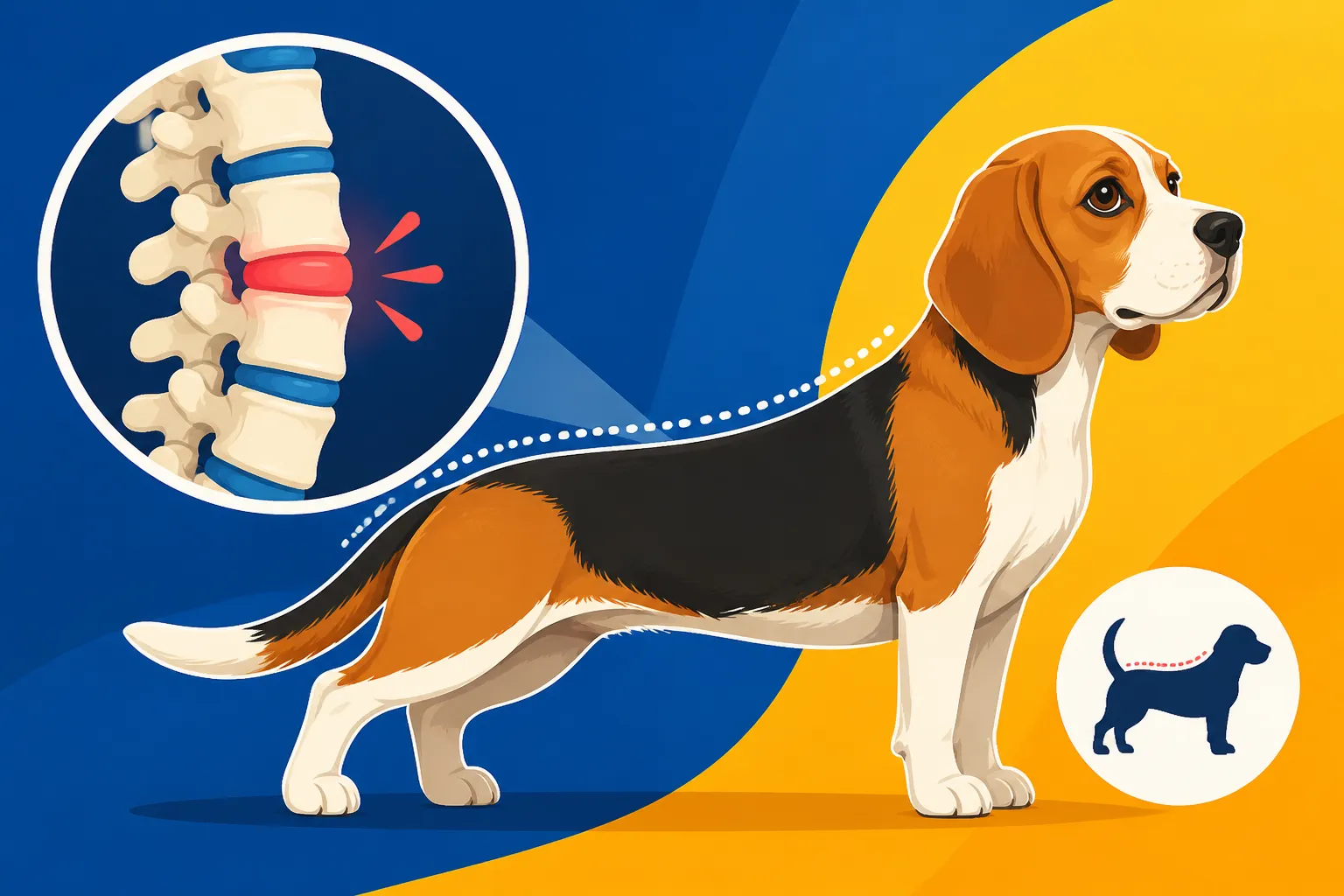
Imagine your Beagle’s spine as a stack of bony vertebrae, much like a set of building blocks. Between each of these vertebrae are soft, jelly-filled cushions called intervertebral discs. These discs act as shock absorbers, providing flexibility and protecting the delicate spinal cord that runs through the center of the vertebrae. They allow your Beagle to twist, jump, and run without damage.
However, in chondrodystrophic breeds like Beagles – meaning breeds characterized by abnormal cartilage development – these discs undergo a premature degeneration process. Instead of remaining soft and pliable, the outer fibrous ring hardens and the jelly-like center becomes more like toothpaste or even gritty. This means they lose their ability to absorb shock and become incredibly fragile.
So, why Beagles specifically? It comes down to their genetics and conformation. Beagles were bred for tracking, which often involved navigating rough terrain, and their sturdy, slightly elongated backs served them well. However, this same structure, when combined with the genetic predisposition for disc degeneration, creates a perfect storm for IVDD. While you might just think of it as "Why a Beagle Back Is Longer Than It Looks," internally, this length means more discs are under potential stress, and the inherent weakening of the discs themselves makes them vulnerable to rupture or bulging, even with what seems like minimal trauma. Over time, these weakened discs can either rupture suddenly or slowly protrude, pressing on the spinal cord and causing a range of neurological problems from mild pain to complete paralysis. It's a cruel reality that such a defining physical characteristic can also be a source of such profound discomfort and disability for our furry friends.
The Two Main Types of Disc Herniation
When we talk about IVDD, it’s not a single event; it manifests in a couple of distinct ways, each with its own characteristics and implications for your Beagle. Understanding the difference between these types can help you grasp what might be happening if your dog suddenly exhibits symptoms.
The first, and often most dramatic, type is Type I IVDD, also known as disc extrusion. This is the one that sends most owners into a panic, and for good reason. In Type I, the degenerated, hardened nucleus pulposus (the jelly-like center of the disc) suddenly ruptures through the outer fibrous ring and explodes into the spinal canal. Think of it like a hard pea suddenly shooting out of a pod. This material directly impacts the spinal cord, causing acute, severe pain and often sudden neurological deficits. The onset is typically rapid, often after a seemingly innocuous movement like jumping off furniture, landing awkwardly, or even just twisting too quickly during play. One moment your Beagle is fine, the next they might be yelping in agony, unable to move their back legs, or showing signs of intense distress. This type of IVDD requires immediate veterinary attention due to the sudden and often severe compression of the spinal cord.
The second type, Type II IVDD, or disc protrusion, is a more insidious, chronic issue. Here, the outer fibrous ring of the disc doesn't rupture suddenly but rather degenerates and thickens over time, slowly bulging upward into the spinal canal. Instead of an explosion, imagine a slow, relentless pushing. This gradual compression of the spinal cord leads to a more progressive onset of symptoms. Your Beagle might show subtle signs of discomfort over weeks or months, such as intermittent stiffness, a reluctance to engage in certain activities, or a general decrease in their usual energy levels. The pain might be less acute but more persistent. Because the onset is gradual, owners might initially dismiss the symptoms as "just getting old" or minor aches and pains. However, even though it’s slower, Type II IVDD can still lead to significant neurological impairment if left unaddressed, eventually causing similar issues like weakness, loss of coordination, and even paralysis, though usually not as suddenly as Type I. Both types are serious, but their presentation and progression often differ quite significantly, guiding the diagnostic and treatment approach.
Recognizing the Warning Signs of Beagle Back Pain
One of the hardest parts about IVDD is that Beagles are famously stoic. They were bred to work through discomfort, and their high pain tolerance can sometimes mask early signs of trouble. It’s crucial for Beagle owners to be vigilant and know what to look for, as early detection can make a significant difference in outcomes. Don't wait for full paralysis; subtle changes are often the first, quiet cries for help.
Subtle Changes in Behavior and Movement
Often, the first clues that your Beagle is developing disc issues are not dramatic, but rather small shifts in their everyday habits. These subtle indicators can easily be overlooked, especially if you’re not actively looking for them. Your Beagle might start to be "a Beagle That Suddenly Will Not Jump on the Couch," or hesitate before climbing stairs, which they used to bound up without a second thought. This reluctance to perform actions that involve flexing or extending the spine is a major red flag. They might also appear stiff when they first get up, or take longer to settle into a comfortable position.
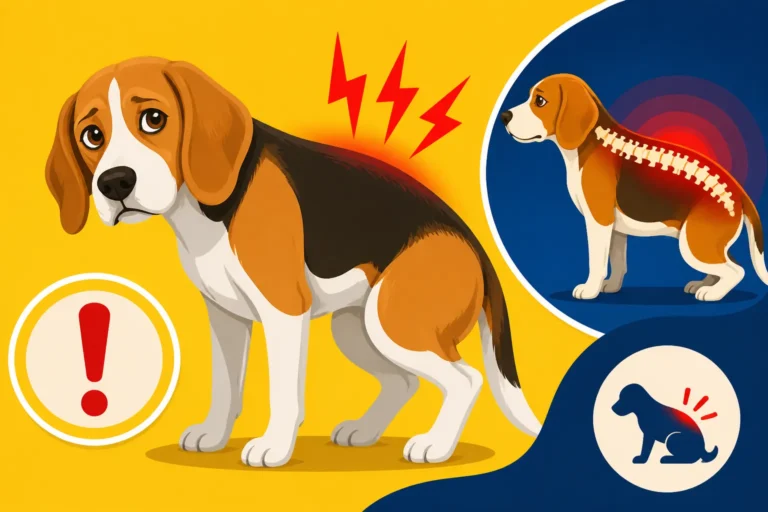
Another key sign is a change in their posture. A Beagle experiencing neck pain due to IVDD might hold their head low, refusing to lift it fully, a classic indicator of "Beagle Neck Pain and a Head Held Low." They might also adopt a hunched-back posture, trying to alleviate pressure on their spine. When you go to pet them, they might flinch, yelp, or even snap, which is completely out of character for a normally affectionate Beagle. Pay attention during walks: are they walking a bit slower? Are they dragging their feet slightly? Are they less enthusiastic about their sniffari? Even shaking or trembling, especially when at rest, can be a sign of underlying pain. Remember, a change in a Beagle's behavior, no matter how minor, warrants investigation, as it could be an early indicator that something is amiss with their spine.
More Severe Neurological Symptoms
As IVDD progresses, the pressure on the spinal cord can intensify, leading to more overt and alarming neurological symptoms. These signs indicate a more severe compression and require immediate veterinary intervention. You might notice "Hind Leg Weakness in a Middle-Aged Beagle," where their back legs seem wobbly, unstable, or simply don't move with their usual strength and coordination. They might stumble frequently, even on flat surfaces, or have difficulty supporting their own weight.
One of the most concerning signs is a change in gait, where your Beagle might start to drag their paws, often scraping their nails on the ground. This is known as proprioceptive deficit, meaning they don't know where their feet are in space. Watching "A Beagle Walking Wobbly and What It Means" is a clear sign that the spinal cord's ability to transmit signals to the brain is compromised. In more advanced stages, partial or complete paralysis of the hind limbs can occur, leaving your Beagle unable to stand or walk.
Beyond motor control, IVDD can also affect bladder and bowel control. If your Beagle, who is normally perfectly house-trained, suddenly starts having accidents indoors, especially leaking urine or struggling to defecate, it could be a sign that the nerves controlling these functions are being compressed. This is an urgent symptom, as prolonged loss of bladder function can lead to infections and other complications. Any sudden onset of these more severe neurological symptoms should prompt an emergency vet visit, as prompt diagnosis and treatment can be critical to preserving your Beagle's mobility and quality of life.
Diagnosis and Initial Management Strategies
When your Beagle starts showing signs of back pain or neurological issues, the anxiety can be overwhelming. The first step is always a visit to your veterinarian. They will be your best guide through the diagnostic process and help you understand the initial steps to manage your Beagle’s discomfort and assess the severity of the disc disease.
The Diagnostic Process at the Vet
Your vet's examination will typically begin with a thorough physical and neurological assessment. This isn't just a routine check-up; the vet will carefully palpate your Beagle's spine, checking for pain responses along different segments. They'll also perform a series of neurological tests: checking reflexes in the limbs, evaluating proprioception (your Beagle's awareness of their limb position), assessing their gait, and looking for any signs of weakness or paralysis. These tests help pinpoint the general area of the spinal cord that might be affected and give an indication of the severity of the nerve damage.
While standard X-rays can be taken, it's important to understand their limitations. X-rays can sometimes show narrowing of disc spaces or calcified discs, but they don't directly visualize the soft disc material or the spinal cord itself. This means they cannot definitively diagnose IVDD or show precisely where a disc is impinging on the spinal cord. However, they are still valuable for ruling out other conditions like fractures, tumors, or infections that can cause similar symptoms.
For a definitive diagnosis and, crucially, to plan for potential surgery, advanced imaging is necessary. This usually means an MRI (Magnetic Resonance Imaging) or a CT (Computed Tomography) scan. An MRI provides highly detailed images of soft tissues, making it the gold standard for visualizing the discs, spinal cord, and any compression. A CT scan, while not as good for soft tissue, offers excellent bone detail and can be combined with myelography (injecting dye into the spinal canal) to highlight spinal cord compression. These advanced diagnostics require general anesthesia and are often performed at a veterinary specialty or emergency hospital. The information gathered from these scans is vital for your veterinary team to formulate the most effective treatment plan for your Beagle.
Conservative Management for Mild Cases
Not every case of IVDD requires immediate surgery. For Beagles with mild pain, no significant neurological deficits, or those whose owners opt against surgery, conservative management can be a viable and effective first line of defense. The cornerstone of this approach is strict crate rest. This cannot be emphasized enough: strict means strict. Your Beagle should be confined to a crate or a small, enclosed space, only let out on a leash for potty breaks. No jumping, no running, no stairs, no playing. This immobilization is crucial to allow the inflamed disc to heal and reduce swelling around the spinal cord. "Crate Rest for a Beagle With a Disc Injury" typically needs to be maintained for 4-6 weeks, sometimes longer, and adherence is key to success.
Alongside strict rest, medication plays a vital role in conservative management. Your vet will usually prescribe a combination of drugs to address the pain and inflammation. Non-steroidal anti-inflammatory drugs (NSAIDs) are commonly used to reduce swelling and discomfort. Muscle relaxants can help ease spasms in the surrounding back muscles, which often contribute to pain. Stronger pain medications, sometimes even opioids, might be prescribed for acute, severe pain. It's crucial to follow your veterinarian's instructions precisely regarding dosage and administration, as some medications can have side effects. During this period, close monitoring of your Beagle's progress is essential. If their condition worsens or new neurological symptoms appear, it’s an indication that conservative management might not be enough, and a re-evaluation, possibly including advanced imaging and surgical consideration, will be necessary.
| Feature | Type I IVDD (Extrusion) | Type II IVDD (Protrusion) |
|---|---|---|
| Onset | Sudden, acute | Gradual, chronic |
| Disc Material | Jelly-like center ruptures and extrudes | Outer fibrous layer bulges, thickens slowly |
| Spinal Cord Impact | Direct, often severe compression and contusion | Slow, progressive compression |
| Symptoms | Acute pain, sudden weakness/paralysis, yelping | Intermittent pain, stiffness, gradual weakness |
| Common Breeds | Beagles, Dachshunds, Corgis (Chondrodystrophic) | Larger breeds, older dogs (though can affect Beagles) |
| Cause | Usually a sudden impact or movement | Age-related degeneration, wear and tear |
| Prognosis | Can be good with prompt treatment (medical/surgical) | Often requires long-term management; surgery may be less curative |
Surgical Options and Post-Operative Care
When conservative management isn't enough, or if your Beagle presents with severe neurological deficits from the outset, surgery often becomes the most effective, and sometimes the only, option to decompress the spinal cord and preserve neurological function. This can be a daunting prospect, but for many Beagles, it offers the best chance at regaining mobility and a good quality of life.
When Surgery Becomes Necessary
The decision for surgery is usually made when a Beagle’s neurological deficits are severe, rapidly progressing, or when conservative management has failed to improve their condition. If your Beagle has lost the ability to walk, or worse, has lost deep pain sensation in their limbs, time is of the essence. The longer the spinal cord remains compressed, the higher the risk of permanent damage. Your veterinary neurologist will assess the grade of neurological deficit to determine the urgency and likelihood of success with surgery.
There are several surgical techniques used to treat IVDD in Beagles, depending on the location and type of disc herniation. The most common procedures include hemilaminectomy and fenestration. A hemilaminectomy involves removing a section of bone from the vertebral arch to gain access to the spinal canal and carefully remove the extruded disc material that is compressing the spinal cord. This is a very precise and delicate procedure. Fenestration, on the other hand, is a prophylactic procedure that involves creating a small window in the disc to remove its inner contents, reducing the likelihood of future herniation in that specific disc. It’s often performed on discs adjacent to the primary injury or in cases of Type II IVDD.
It's natural to worry about "Beagle Disc Surgery and the Odds of Recovery." The success rate largely depends on the severity of the neurological deficits before surgery. Beagles with only pain or mild weakness typically have an excellent prognosis, often regaining full function. Even those with paralysis, if operated on quickly, can have a good to fair chance of walking again. However, if deep pain sensation has been lost for more than 24-48 hours, the prognosis becomes guarded. Discussing these odds thoroughly with your veterinary surgeon is crucial to setting realistic expectations. While surgery carries risks inherent to any major procedure, for many Beagles suffering from severe IVDD, it represents their best hope for a pain-free, mobile future.
Recovery and Rehabilitation After Surgery
The journey doesn't end once the surgery is complete; in many ways, it's just beginning. Post-operative care is just as critical as the surgery itself in ensuring the best possible outcome for your Beagle. Immediately after surgery, your Beagle will require intensive care, including pain management, monitoring of vital signs, and strict bed rest in the hospital. Once home, the principles of conservative management—especially strict rest—continue, often for several more weeks. This means continued crate confinement, no jumping, running, or stairs, and carefully controlled, short leash walks for potty breaks only. It's a challenging period for both dog and owner, but essential for proper healing and to prevent re-injury.
As your Beagle recovers, physical therapy and rehabilitation will become integral to regaining strength, coordination, and proprioception. "Beagle Physical Therapy After a Back Injury" can involve a wide range of modalities. Hydrotherapy, often done on an underwater treadmill, allows your Beagle to exercise with reduced weight-bearing, strengthening muscles without putting excessive strain on their spine. Other techniques include therapeutic exercises to rebuild muscle mass and improve balance, passive range of motion exercises, massage to reduce muscle spasms, and even laser therapy to promote healing and reduce inflammation. A certified canine rehabilitation therapist will design a tailored program for your Beagle, progressively increasing the intensity as they heal.
The long-term outlook for a Beagle post-IVDD surgery, especially with dedicated rehabilitation, is often very positive. Many Beagles can return to a normal, active life. However, it's important to understand that the degeneration of other discs in the spine is an ongoing process. This means that even after successful surgery on one disc, there's always a risk of another disc herniating in the future. This underscores the need for continued vigilance, weight management, and careful activity modification throughout your Beagle's life to protect their spine. It’s a significant commitment, but seeing your Beagle regain their joyful spirit and mobility is a reward beyond measure.
Preventing Disc Disease and Protecting Your Beagle's Spine
While IVDD can't always be completely prevented due to genetic predisposition, there's so much you can do as a responsible Beagle owner to significantly reduce the risk and severity of disc disease. Proactive care and mindful lifestyle adjustments are key to keeping your Beagle's spine as healthy as possible throughout their life.
Managing Weight and Nutrition
This is perhaps one of the most impactful areas where owners can make a real difference. Obesity is a major contributing factor to IVDD in Beagles, placing enormous additional strain on their already vulnerable spines. Every extra pound your Beagle carries increases the pressure on their intervertebral discs, accelerating degeneration and increasing the likelihood of a herniation. This is precisely "How Extra Weight Raises Beagle Disc Pressure" and why avoiding it is paramount.
Maintaining a healthy weight means a balanced diet with controlled portions. Beagles are notoriously food-motivated, and it's easy to overfeed them or succumb to those pleading eyes for extra treats. However, for their long-term spinal health, strict dietary management is non-negotiable. Measure their food accurately rather than free-feeding, and choose high-quality dog food appropriate for their age and activity level. If your Beagle is already carrying a few extra pounds, tackling "Beagle Obesity Treated as a Health Problem" needs to be a top priority. Work with your vet to create a safe and effective weight loss plan, which might include specific prescription weight-loss diets.
Beyond just preventing obesity, certain nutritional supplements can support joint and disc health. Glucosamine and chondroitin sulfate are widely used to help maintain cartilage integrity and joint fluid. Omega-3 fatty acids (like those found in fish oil) have anti-inflammatory properties that can also be beneficial. While these supplements are not a cure or a guarantee against IVDD, they can contribute to overall spinal health and potentially slow down the degenerative process, acting as another layer of protection for your Beagle's back. Many pet insurance providers, like Healthy Paws, recognize the importance of these preventative measures and may cover related vet visits and diagnostics.
Environmental Modifications and Safe Practices
Protecting your Beagle's spine also involves making conscious choices about their environment and daily activities. Beagles love to jump, whether it’s onto the couch, into the car, or up and down stairs. These high-impact movements, especially repetitive ones, put immense strain on their discs. Investing in "Ramps and Steps That Protect a Beagle Spine" can be a game-changer. Place ramps next to the couch or bed, and use a car ramp or steps to help them get into and out of vehicles. This simple change eliminates dangerous jumps that can trigger a disc herniation. Consider also "Ramps for a Beagle's Bed and Car" as essential equipment.
Another critical consideration is how you walk your Beagle. While traditional collars are fine for some breeds, for a Beagle with a potentially vulnerable neck and back, a harness is a much safer option. A harness distributes pressure across their chest and shoulders, rather than concentrating it on their neck and throat, especially if they tend to pull on the leash. This is "Why a Harness Protects a Beagle's Neck" and helps avoid sudden jolts that could injure cervical discs.
Finally, be mindful of the types of activities your Beagle engages in. While exercise is vital for weight management and overall health, avoid activities that involve excessive twisting, sudden stops, or high-impact landings. Long sessions of fetch with sudden stops, or intense agility training with sharp turns and jumps, might be too risky. "The Activities That Twist a Beagle Spine" should be minimized or modified. Instead, opt for steady walks on even ground, sniffaris that engage their mind, and gentle games of hide-and-seek. When lifting your Beagle, always support their front and back ends simultaneously to keep their spine straight and minimize any awkward bending or twisting. These thoughtful practices, though they might seem minor, can collectively provide significant protection for your Beagle's delicate spine over the years.
Living with a Beagle Prone to Back Issues
Bringing a Beagle into your life means embracing their boundless energy, their incredible nose, and yes, their potential predispositions to certain health challenges. IVDD is one such challenge, and if your Beagle has been diagnosed, or if you're just being proactive, it shifts how you approach their care. It's a marathon, not a sprint, and requires patience, financial planning, and a deep commitment to your furry family member.
The Emotional and Financial Toll
Let's be real: dealing with a dog suffering from IVDD, whether it's managing chronic pain or navigating a sudden, acute crisis, takes a significant emotional toll on owners. The worry, the guilt, the heartbreak of seeing your active Beagle in pain or struggling to walk – it's profound. Many owners feel immense stress, constantly scrutinizing every movement, fearful of a relapse or a new injury. It's important to acknowledge these feelings and give yourself grace. You're doing your best for your beloved companion. Finding support groups, either online or locally, can be incredibly helpful for sharing experiences and getting advice from others who truly understand.
Beyond the emotional strain, there's the very real financial commitment. The costs associated with diagnosing and treating IVDD can be substantial. Emergency vet visits, advanced imaging like MRIs (which can run into thousands of dollars), medications for pain and inflammation, surgery (potentially $5,000-$10,000 or more), and then ongoing physical therapy and rehabilitation – it all adds up quickly. This is where pet insurance truly shines, and why many owners consider it a lifeline. Understanding "Beagle Insurance Premiums Provider by Provider" before a diagnosis is critical, as IVDD would be considered a pre-existing condition if diagnosed prior to coverage. However, if you have a policy in place, a reputable provider like Healthy Paws can significantly alleviate the financial burden, covering a large percentage of those unexpected and often exorbitant veterinary bills. Always check the policy details for things like "Beagle Disc Disease and the Policy Waiting Period," as these conditions usually have a specific waiting period before coverage kicks in. Planning for these potential costs, whether through insurance or an emergency fund, is a crucial part of responsible Beagle ownership.
Adapting Your Home and Lifestyle
Living with a Beagle who has (or is prone to) back issues means making thoughtful adaptations to your home and lifestyle to minimize risk and maximize comfort. Start with the home environment:
- Flooring: Slippery floors can be treacherous. Lay down non-slip rugs or runners, especially in high-traffic areas or where your Beagle spends most of their time. This helps prevent slips and falls that can exacerbate spinal problems.
- Furniture Access: We already discussed ramps, but reinforce their use. Make it a habit to always use the ramp for the car or for bed/couch access. If necessary, use gates to restrict access to stairs, especially during recovery periods.
- Bedding: Provide orthopedic dog beds that offer excellent support for their joints and spine, rather than soft, unsupportive cushions.
Your lifestyle with your Beagle will also shift. Routine, gentle exercise is important, but high-impact or twisting activities should be strictly limited. Think about how you incorporate "Senior Beagle Care After the Age of Ten" into your daily routine, even if your Beagle is younger; many of these preventative measures are universal. Prioritize sniff walks over strenuous runs. Engaging their incredible nose with scent games and puzzle toys can provide mental stimulation and physical activity without putting undue stress on their back.
Perhaps most importantly, maintaining open communication with your veterinarian is vital. Regular check-ups, even if your Beagle seems fine, can help catch any subtle changes early. If your Beagle is on medication, regular monitoring for side effects and effectiveness is important. Be prepared for a long-term commitment to managing their spinal health, which might include ongoing supplements, occasional physical therapy boosters, and always, always vigilance. By adapting your home and routines, you can create a safe and supportive environment that allows your Beagle to live a full, happy life despite their spinal vulnerabilities.
Disclaimer
The information provided in this article is for general informational purposes only and is not intended as a substitute for professional veterinary advice, diagnosis, or treatment. Always seek the advice of your veterinarian or other qualified animal health provider with any questions you may have regarding a medical condition or the health and welfare of your pet. Never disregard professional veterinary advice or delay in seeking it because of something you have read in this article.